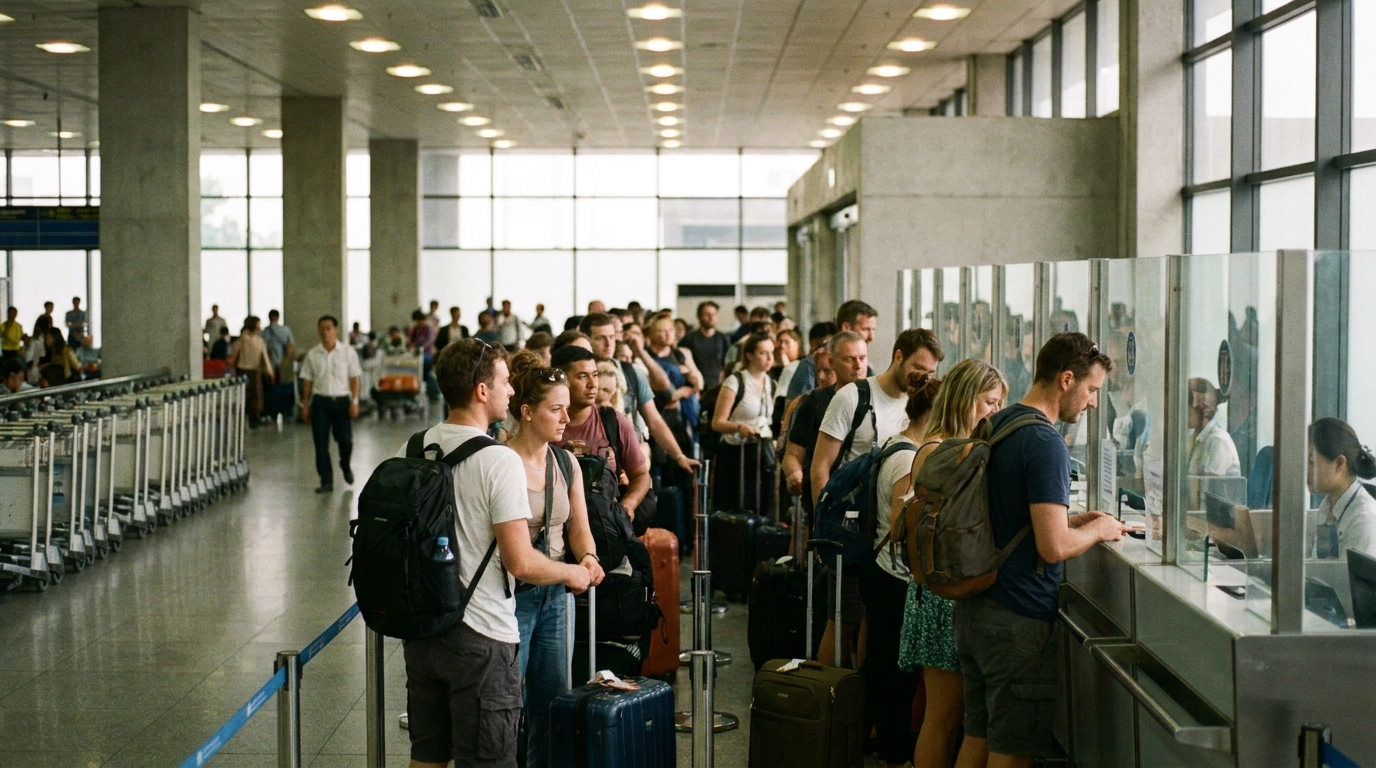
You hit refresh for the tenth time today, staring at a browser screen that looks exactly as it did last Tuesday. The digital equivalent of a blank wall is staring back at you. When you applied for your entry permit, the official portal suggested a processing window of three to five working days. Now, you have crossed that threshold, and the silence from the immigration portal feels deafening. Before your pulse starts to race, take a deep breath. In the context of Vietnamese bureaucracy, five days of radio silence is rarely a sign of catastrophe; more often, it is simply the friction of a system that prioritizes methodical review over instant gratification.
The most frequent reason for a stagnant screen is the simplest one: the calendar. When you count your processing days, you must exclude Saturdays, Sundays, and Vietnamese public holidays. If you submitted your application on a Thursday afternoon, you have only really accounted for one full working day by the following Monday. Furthermore, Vietnam observes a robust list of public holidays—from the Lunar New Year (Tet) to National Day—that frequently bring government offices to a complete standstill. If your application window overlaps with even one of these national observances, the processing clock effectively pauses. Your Vietnam visa status is not necessarily being ignored; it is simply waiting for the gears of the administration to start turning again after a period of rest.
Sometimes, the issue is not with the system at all, but with the digital trail you are leaving behind. Browsers are designed to be efficient, which means they love to cache data to make your future visits faster. This can lead to your computer showing you a saved version of the status page from two days ago rather than querying the live server for the latest update. Before you spiral into anxiety, clear your browser’s cache or try checking the page from a different device, like a mobile phone on a cellular data network. You might be surprised to find that when you check vietnam visa status from a fresh session, the information has shifted after all.
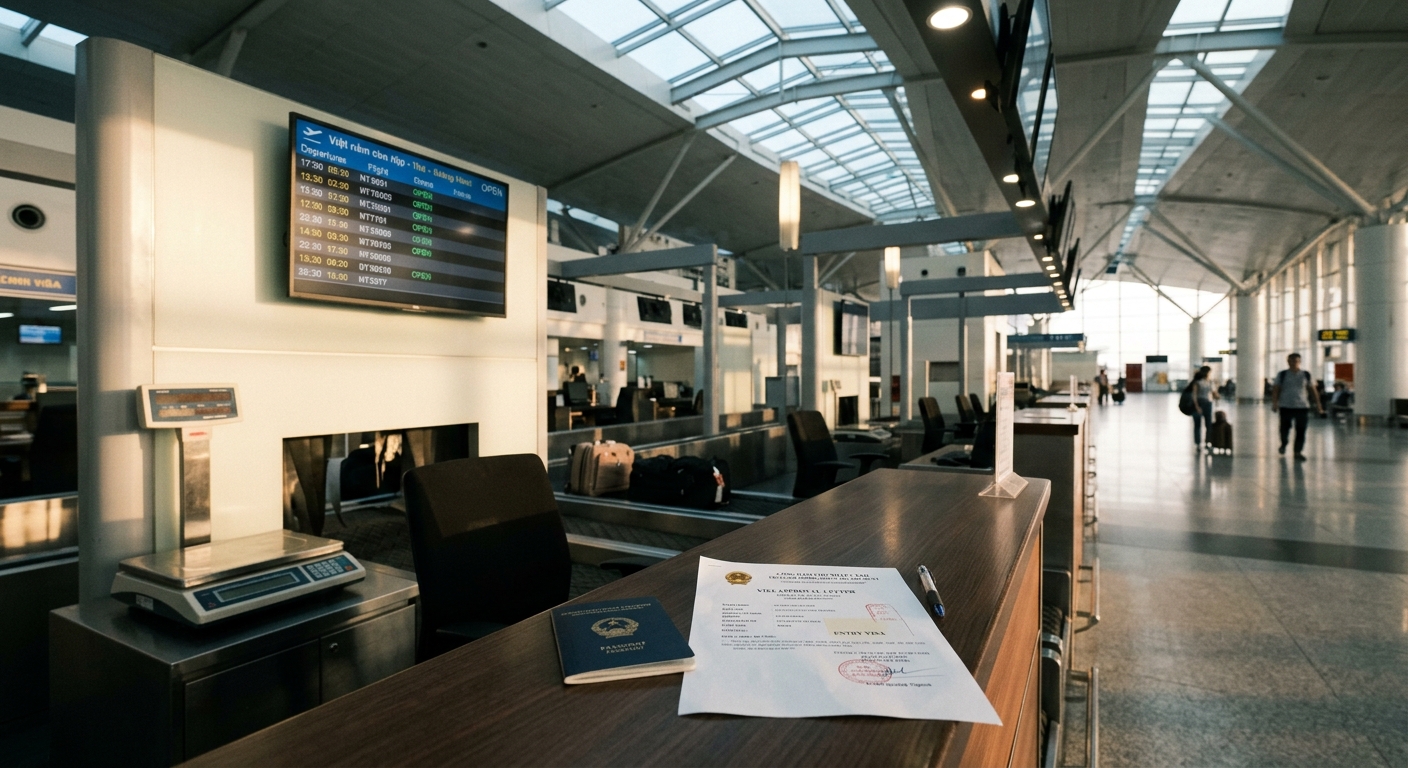
The Technical and Administrative Bottlenecks
There are also prosaic technical errors that can stall a file. It is incredibly common for applicants to misread a digit or a character in their registration code, leading to an incorrect lookup that returns a “no record found” or an “in progress” message regardless of the actual state of your file. Triple-check every character against your original receipt email. A single transposed letter is enough to prevent you from seeing an update that might have already been posted. If the system refuses to recognize your data, double-check your application ID and the email address used during registration, as these are the two primary keys that unlock the database for your specific profile.
If you are certain your information is correct and the calendar is on your side, the most likely culprit is a document re-review. This occurs when an immigration officer identifies a minor issue with your submission, such as a slightly blurry scan of your passport or a photo that does not strictly adhere to the white-background requirements. Rather than outright rejecting the application, the system often leaves it in a state of extended limbo while a supervisor reviews the discrepancy. This is a common point of confusion for travelers, but it usually results in a simple request for a new document rather than a permanent denial. If your application has been flagged for this reason, you will typically receive an email alert, though these often land directly in the spam or promotions folder, where they go unnoticed for days.
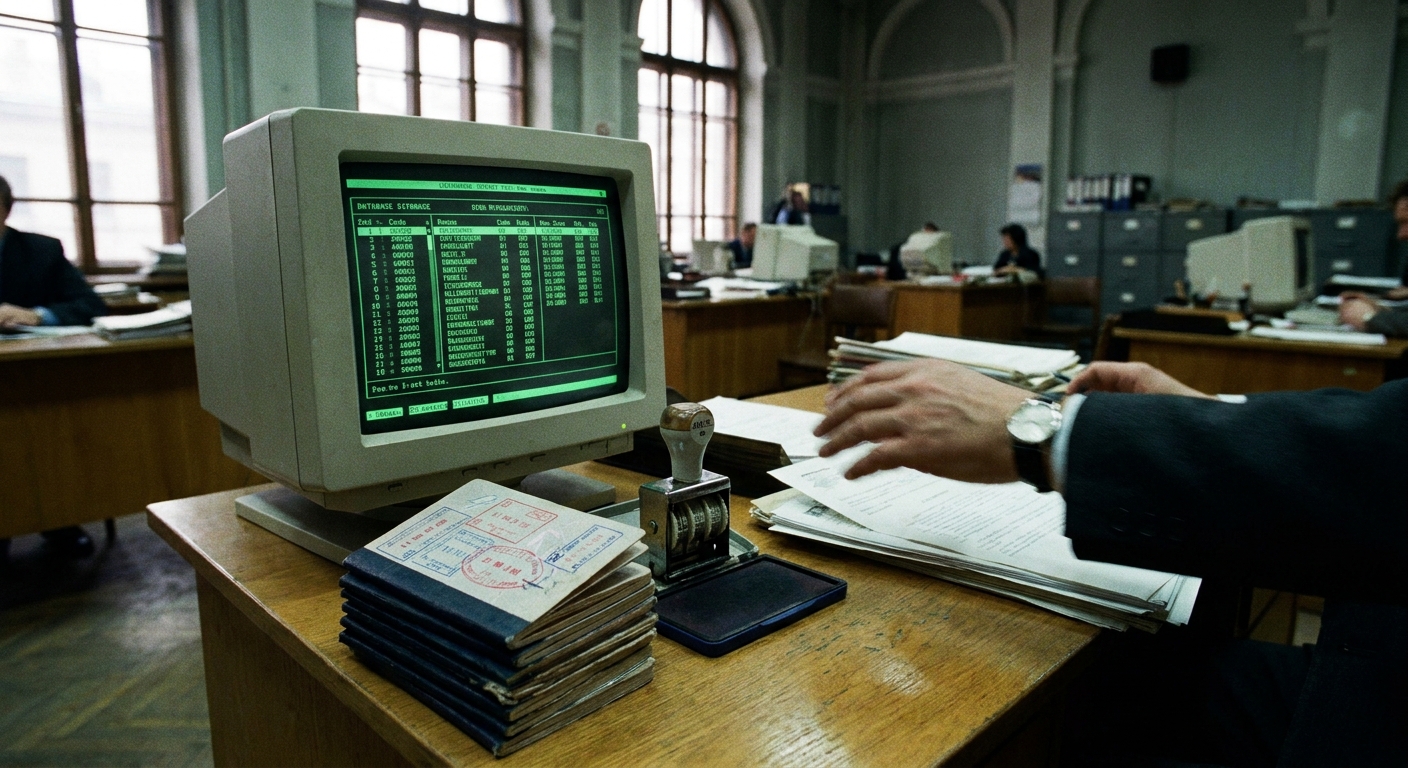
While the vast majority of delays are benign, there are two distinct scenarios that warrant genuine concern:
- The application date has exceeded the standard three-to-five working day window, and you have received absolutely no status change or email notification.
- The official portal displays a status of “Action Required” or “Rejected” without a clear explanation, or the site consistently throws an error code that prevents you from submitting supplementary documents.
In these specific instances, it is time to move beyond refreshing the browser. If your departure date is looming and the system remains static, you may need to reach out to the immigration department or consider third-party assistance to investigate the hold-up. However, try to avoid the urge to submit multiple new applications. Filling out a second form while the first one is still pending usually creates a duplicate record in the system, which almost always triggers an automatic hold to prevent fraud. This adds another layer of verification that pushes your wait time even further back. If you are approaching the seven-day mark without a change, perform one final check of your junk mail folder for any communication from the authorities, then monitor your vietnam e-visa status daily until you see a concrete change in the portal. Patience, while difficult when you are planning an international journey, is usually the most effective tool in your kit.