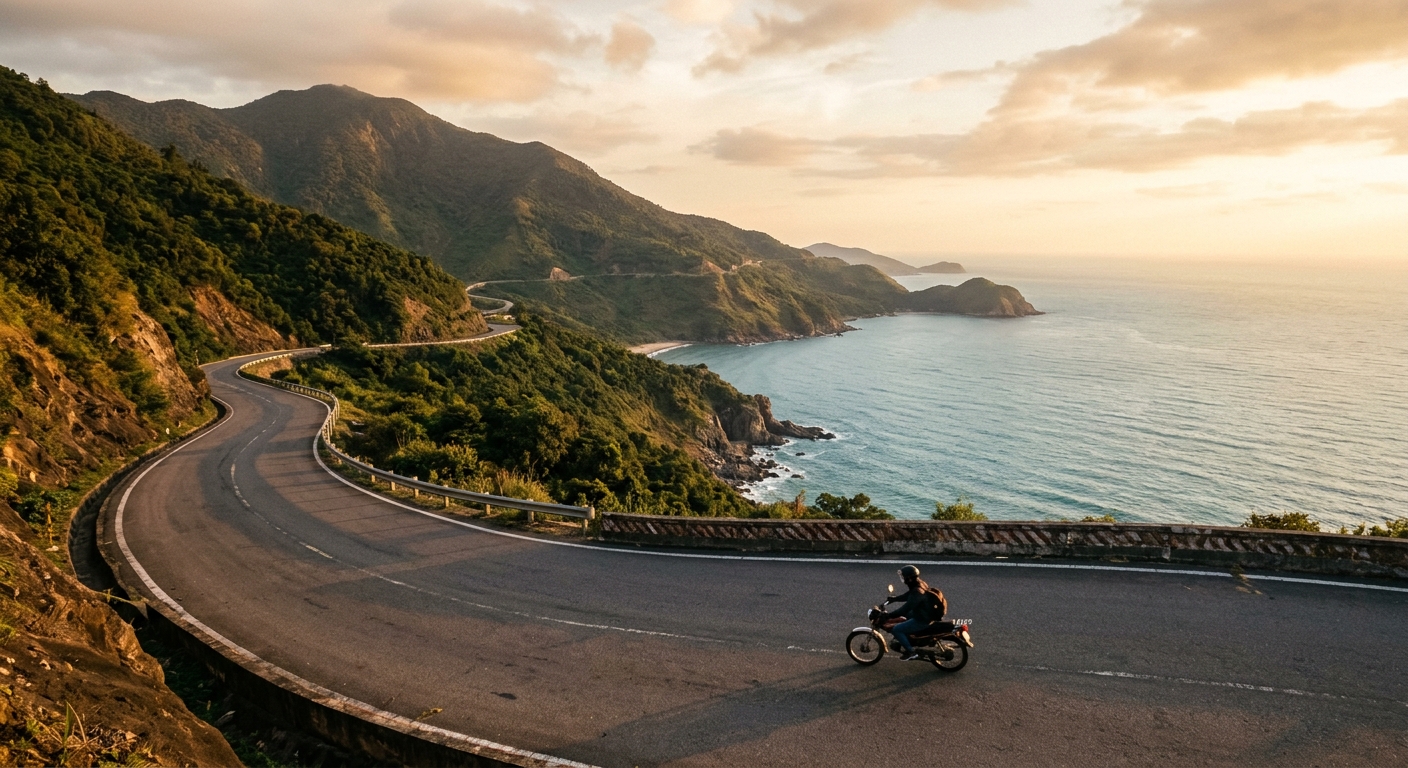
The transition from the imperial stillness of Hue to the neon-lit coastline of Da Nang is not merely a change in geography; it is a shift in rhythm. While the train tracks carve a tunnel through the mountains, those who choose the hai van pass motorbike route find themselves climbing into the clouds, quite literally. This stretch of road is legendary for a reason, hugging the jagged coastline where the Truong Son Mountains meet the East Sea in a dramatic collision of green granite and blue water. It is a sensory assault in the best possible way: the smell of sea salt, the roar of a small engine fighting the incline, and the wind whipping past your helmet as you round the hairpin turns.
Most travelers arrange their bike rental through reputable shops in Hue that offer “one-way” drop-off services. This logistics setup is essential, as you don’t want to haul your luggage back over the mountain or pay for a return trip you won’t use. Many agencies will simply have your bags delivered by truck to your hotel in Da Nang while you navigate the winding asphalt on two wheels. If you are a nervous rider or the weather looks particularly unforgiving, you can easily load your motorbike onto the morning train from Hue. It’s a common sight at the station, and it allows you to bypass the most treacherous sections while still getting the full experience of the coastal transition.
Mastering the Curves and the Overlooks
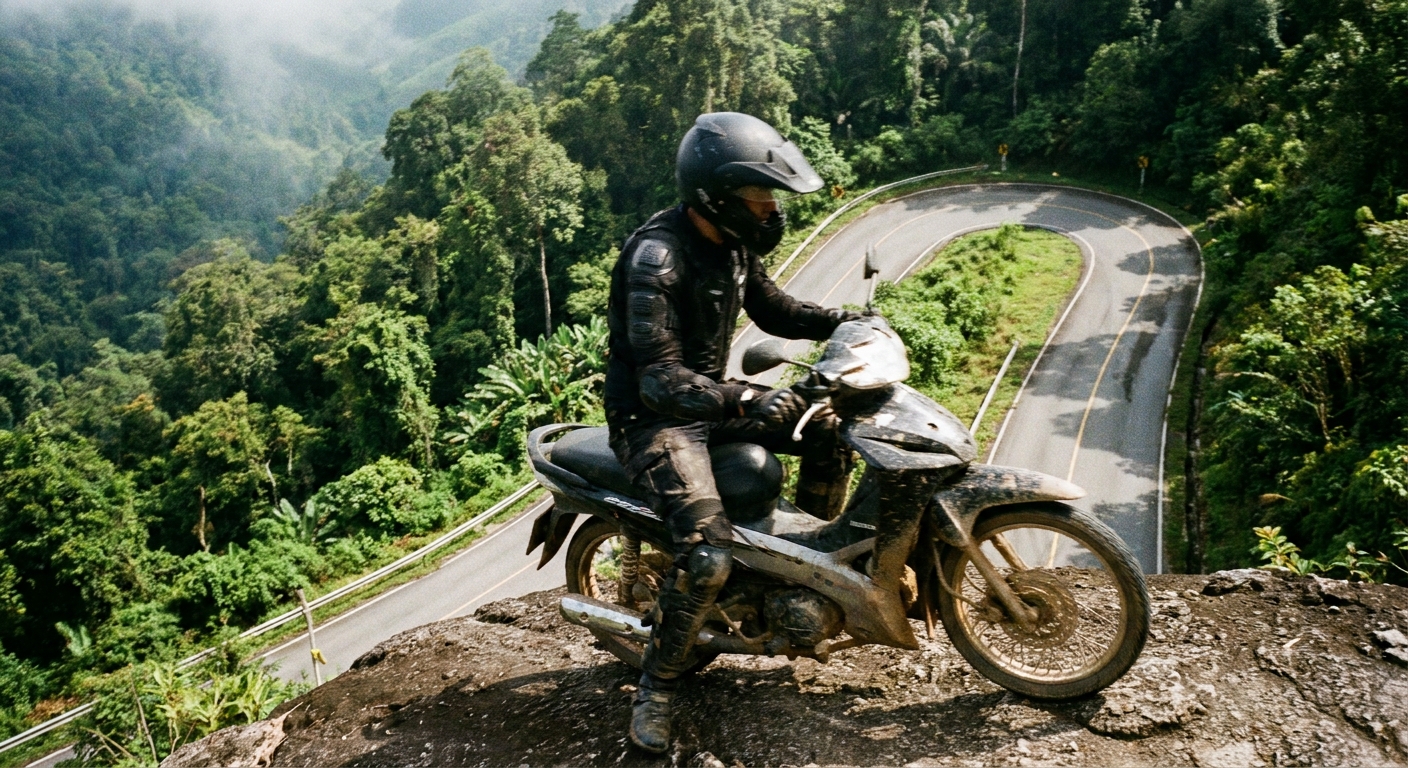
The journey begins with the flat, quiet roads leading out of Hue, but the character of the ride changes abruptly once you hit the incline. The road is well-paved, but the constant presence of heavy lorries and local buses means you need to keep your focus sharp. On a clear day, the hue to da nang ride is unparalleled. You will see the verdant hills rolling down into the water, and as you ascend, the view expands to reveal the entire curve of Lang Co Lagoon, a shimmering expanse of turquoise that looks better in person than in any camera lens. There is one specific pull-off near the summit—an old stone bunker dating back to the conflict era—that offers a panoramic vantage point. This is the spot that renders brochures obsolete. From here, the world feels vast and entirely untamed.
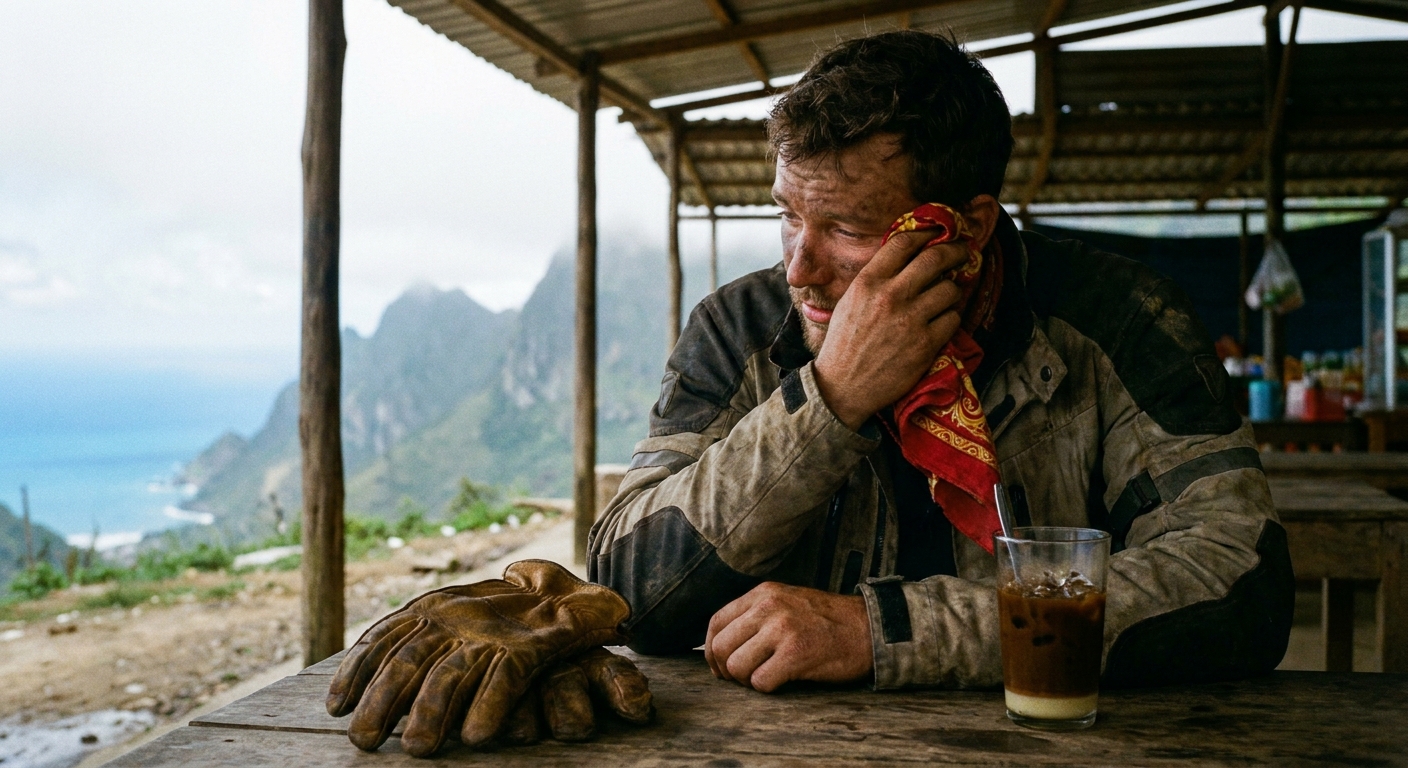
As you descend toward the Da Nang side, your adrenaline will likely start to taper, replaced by a craving for something sweet and grounding. This is the perfect time to pull over at one of the roadside stalls for a bowl of che chuoi. This warm banana and coconut milk pudding is a regional staple, and after an hour of gripping the handlebars, the sticky, sugary warmth is restorative. Don’t be shy about stopping; the local vendors are used to riders, and the informal seating offers the best vantage point for watching the mountain mist peel away from the peaks behind you.
While this vietnam scenic drive is often sold as a high-octane adventure, it is actually a lesson in patience. You are not riding on a closed track; you are sharing the road with local families on scooters, vendors, and freight drivers. The secret to enjoying the pass is to avoid rushing the curves. Treat the ride as a series of frame-by-frame snapshots rather than a race. By the time you reach the outskirts of Da Nang, where the massive bridges begin to arch over the Han River, you will feel the shift in your own energy. You aren’t just arriving in a new city; you have successfully transitioned through one of the most iconic landscapes in the country.
Before you commit to the full day on two wheels, keep a few logistical realities in mind to ensure the day remains enjoyable rather than exhausting:
- Check your tire pressure and chain tension at the rental shop before leaving Hue.
- Pack a light windbreaker, as the summit is significantly cooler and windier than the lowlands.
- Carry a physical map or ensure your offline navigation is pinned, as cell service can be spotty near the peak.
- Avoid the pass entirely during heavy rain or monsoon season, as the roads become slick and visibility drops to near zero.
Once you hit the flat, coastal plains of Da Nang, the mountain air gives way to the humid, salty breeze of the South China Sea. The transition is sudden, marked by the rising skyline of the city and the sheer scale of the ocean meeting the horizon. You will find yourself pulling into the city with dust on your boots and a lingering sense of perspective that only comes from navigating a mountain range by motorcycle. It is a rare experience where the travel between two points is actually the highlight of the trip, turning a simple transport day into a memory that anchors your entire journey through Central Vietnam.