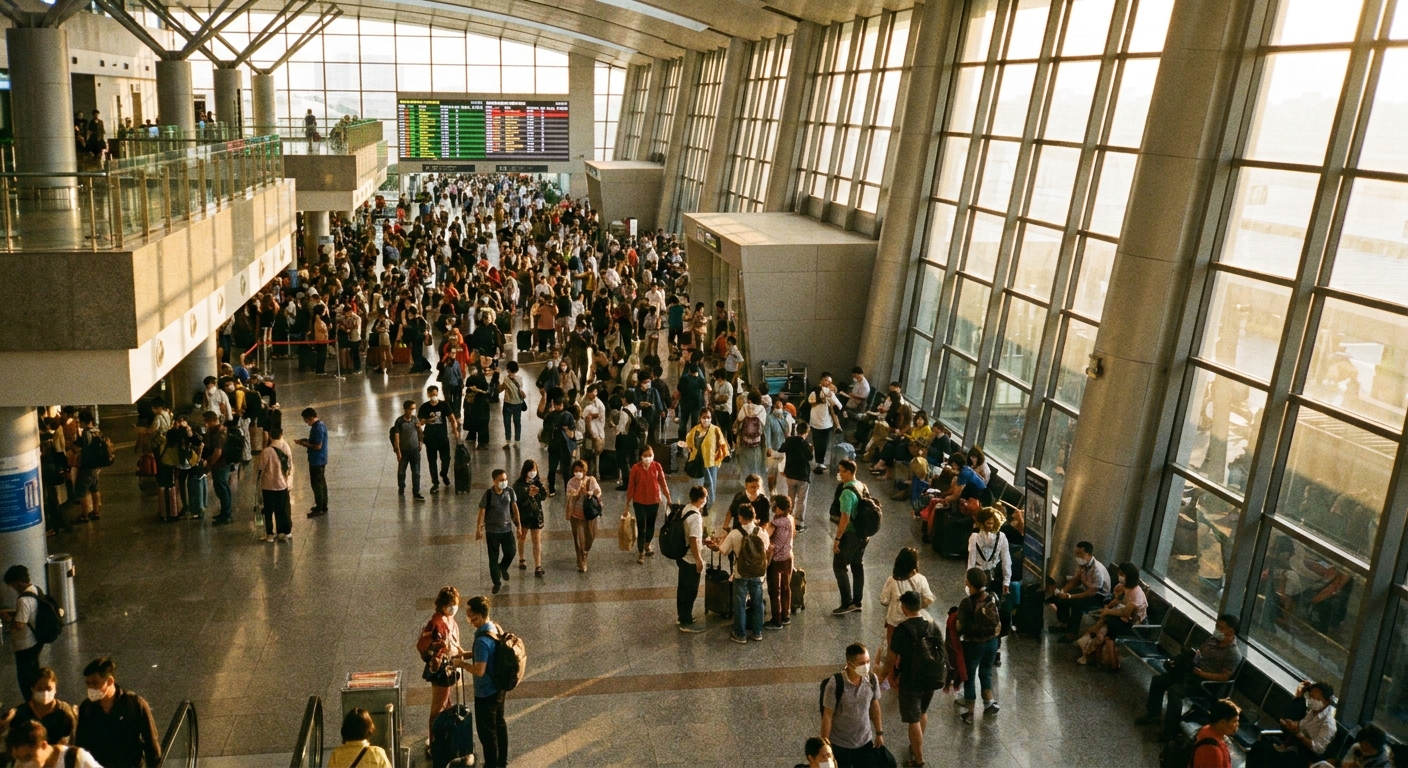
Tan Son Nhat International Airport (SGN) is a labyrinthine hub that catches many travelers off guard during a layover. If you have an international flight connecting through Ho Chi Minh City, the rules regarding whether you can step outside for a bowl of pho or explore the nearby streets are narrower than you might expect. Many travelers land under the impression that they can simply walk through immigration for a quick visit, but the reality is that Vietnam does not grant a standard, automatic transit visa for those who wish to leave the terminal.
Distinguishing Between Airside Transit and Immigration Clearance
The most important distinction to grasp is between staying “airside” and entering the country. If you are staying within the international transit area to wait for your next flight, you generally do not need a visa. You remain in the sterile zone, provided your luggage is checked through to your final destination or you have arranged for a representative to handle your bags. However, this keeps you confined to the departure lounges. If your layover is several hours long, the airport infrastructure is functional but lacks the comfort or entertainment options found in larger regional hubs like Singapore or Hong Kong. Do not expect to find luxurious nap pods or extensive recreation here; it is a space designed for throughput, not lingering.
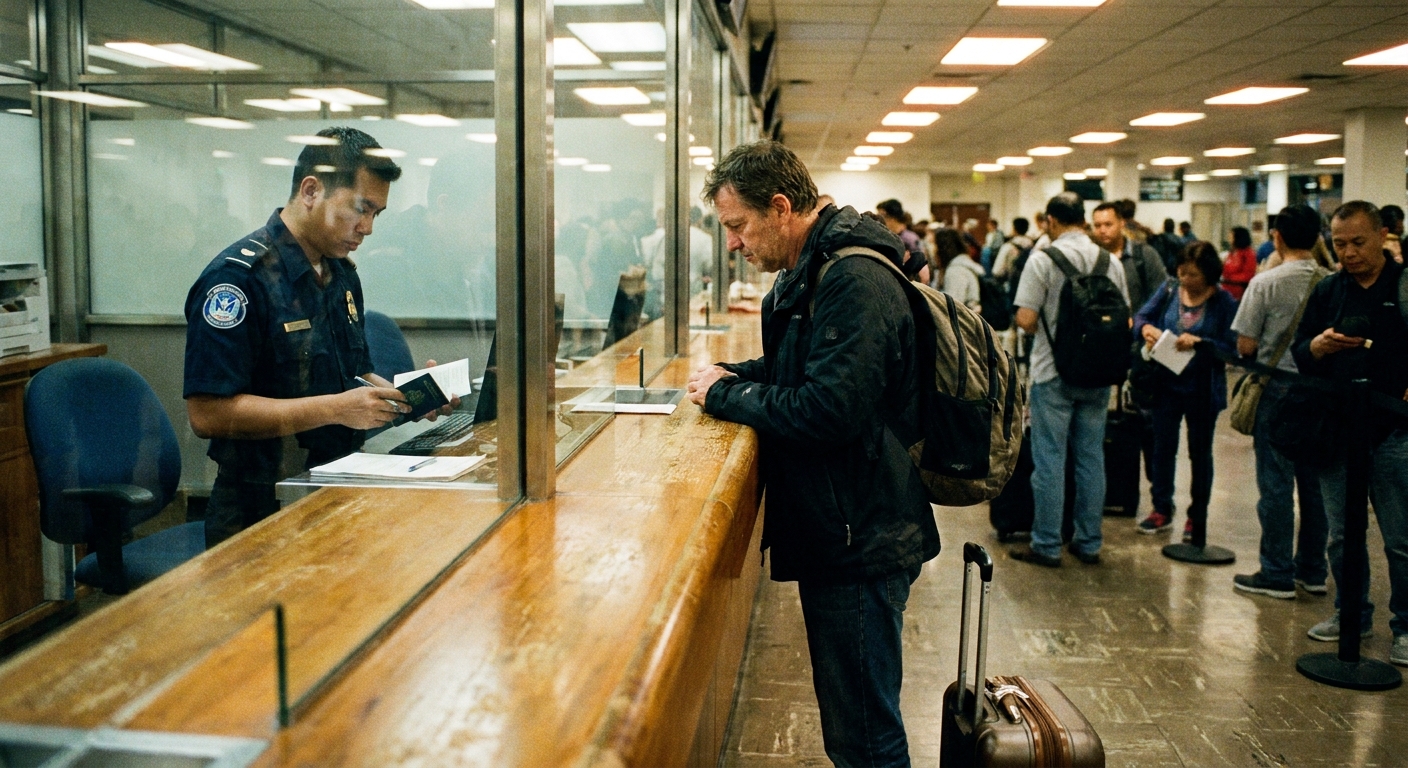
The confusion usually sets in when a traveler decides they want to cross the border to spend a few hours in the city. To do this, you must technically enter Vietnam. This requires you to clear immigration, which is impossible without proper documentation. If you hold a passport from a country that does not have a visa-waiver agreement with Vietnam, you must possess a valid visa before you board your first flight. Relying on an on-arrival process while in transit is a common error that leads to being denied boarding at your point of origin or, worse, being detained by immigration officials upon landing in Saigon.
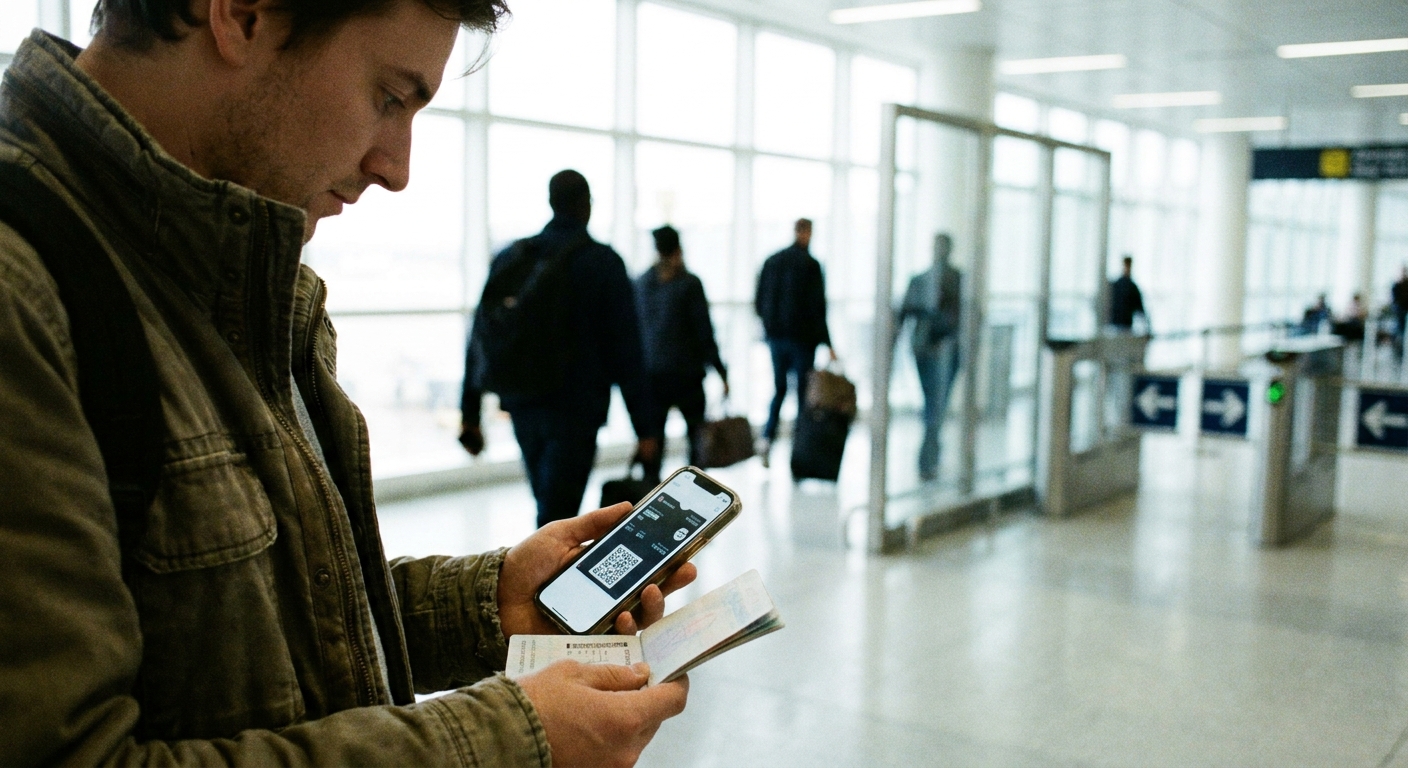
If you find yourself stuck at Tan Son Nhat transit without a visa, your options are limited to the transit lounge. The facility is split, and moving between certain areas can be surprisingly difficult depending on your airline and whether your connection is on a single ticket or a self-transfer. If you have booked two separate tickets, you are essentially at the mercy of the airline’s ground staff. They may not assist you with moving bags or re-checking them if you do not have a visa to exit and retrieve them yourself. In these cases, you are effectively tethered to the transit gate area for the duration of your wait, as you lack the legal clearance to pass through the customs checkpoint.
For those determined to leave the airport, planning must happen well in advance. Since there is no such thing as a “tan son nhat transit visa” issued upon arrival for casual sightseeing, the responsibility falls on you to have your paperwork settled before you even take off. If your layover is long enough to justify a city trip, consider applying for an e-visa well before your travel date. This allows you the flexibility to pass through immigration, visit the Ben Thanh Market, or see the War Remnants Museum, provided your return flight allows for sufficient time to clear security again.
There are a few key points to keep in mind if you are weighing a transit excursion:
- Check if your nationality qualifies for a visa exemption, which changes the requirements entirely.
- Ensure your connection time is at least six to eight hours to account for long immigration queues and Saigon’s notorious traffic.
- Verify your airline’s policy on through-checked baggage, as you cannot retrieve bags from the carousel without entering the country legally.
- Remember that Vietnam airport transit rules are enforced strictly, and officials will not grant exceptions for “quick” tourist visits without a valid visa sticker or e-visa approval.
Ho Chi Minh City’s humidity and energy are immediate upon exiting the terminal, but the barrier between the international arrival hall and the city streets is quite rigid. Most travelers who mistakenly expect a simple “transit visa” find themselves watching the clock from a hard plastic chair near their gate, realizing that the city is visible through the windows but entirely out of reach. If you see a particularly enticing long-haul connection through SGN, treat it as a flight stay rather than a stopover, unless you have successfully secured your entry permit beforehand.