
Most travelers looking at a map of Vietnam’s south central coast vietnam region assume that Mui Ne and Phan Thiet are two different names for the same destination. While they are separated by less than 15 kilometers of coastal road, they offer fundamentally different experiences that booking sites rarely delineate. If you are standing in a travel agency or refreshing a browser tab, you need to understand that Phan Thiet is a functioning provincial capital and a bustling hub of commerce, while Mui Ne is the stretch of sand where the vacation industry actually lives.
The Cultural Pulse vs. The Resort Strip
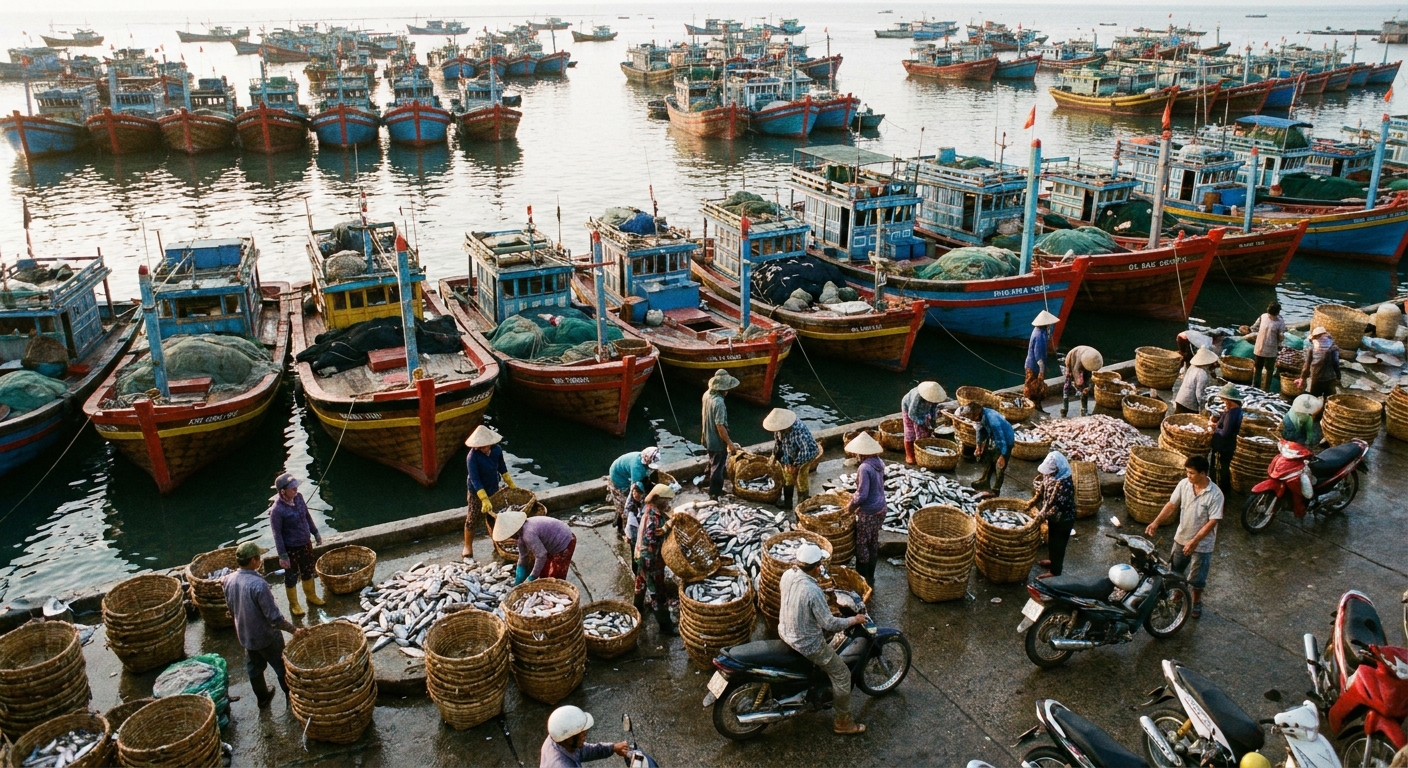
Phan Thiet is where the locals go to live, work, and eat. If you book a stay in the city proper, you are signing up for the authentic, chaotic rhythm of a Vietnamese port. You will hear the roar of motorbikes at 6:00 a.m., smell the potent waft of nuoc mam—the world-famous fish sauce that defines the local economy—and find yourself surrounded by markets selling dragon fruit and fresh squid. It is an urban environment that happens to touch the ocean. You will not find manicured resort lawns here; instead, you get plastic chairs on the sidewalk, late-night street food stalls, and a lack of pretense that is increasingly rare in popular coastal towns.
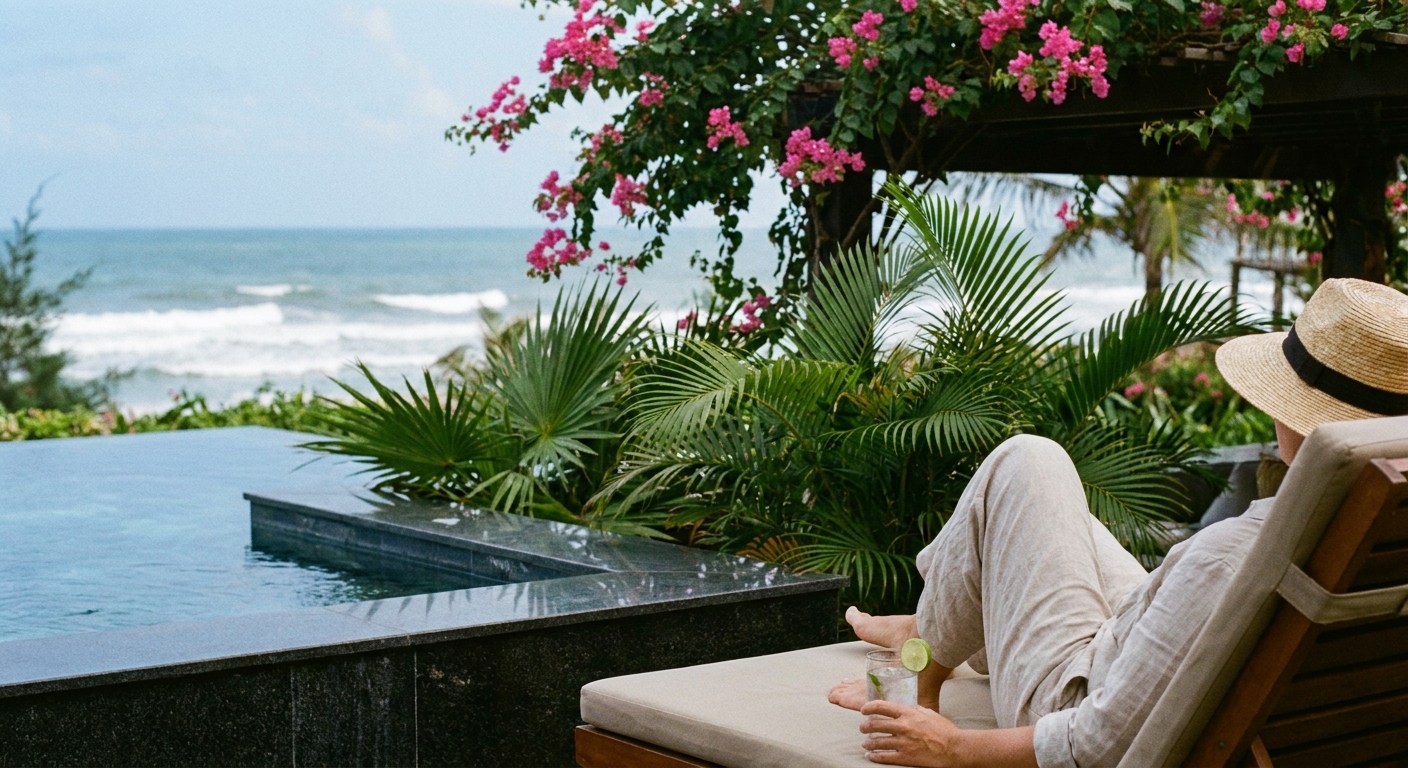
Mui Ne, by contrast, is a string of resorts, kite-surfing schools, and restaurants catered almost entirely toward international and domestic tourists. This is the strip where the palm trees are groomed and the breakfast buffets are designed for western palates. If you want to wake up, walk ten steps onto the sand, and spend your entire afternoon rotating between a sun lounger and the ocean, Mui Ne is the destination you are actually looking for. The trade-off is the atmosphere; it feels manufactured, polished, and perhaps a little disconnected from the reality of the province, yet it is undeniably comfortable for those looking to switch off and relax.
When you browse hotel listings, you will notice that both locations claim proximity to the famous White and Red Sand Dunes. This is where the marketing often stretches the truth. The dunes are located much further north, closer to the village of Mui Ne than to the urban sprawl of Phan Thiet. Staying in downtown Phan Thiet means you are looking at a 30-to-40-minute commute by taxi or motorbike just to reach the trailhead of the dunes. If your primary motivation for this trip is chasing the sunset over the desert-like landscape of the dunes or taking a sunrise jeep tour, staying in Mui Ne saves you significant transit time and money.
There are a few key variables to consider before you commit your credit card to a booking:
- The intensity of wind: Mui Ne is a world-class kite-surfing hub, which means the wind can be aggressive; if you prefer calm, mirror-like water for swimming, look for protected coves or consider the quieter resorts further from the main wind tunnels.
- Accessibility to amenities: Phan Thiet offers better access to banks, hospital services, and authentic non-tourist markets, whereas Mui Ne’s convenience is limited to souvenir shops and travel agencies.
- The price point: You will generally find a wider range of budget-friendly, local-style guesthouses in the city of Phan Thiet, while Mui Ne operates on a tier of boutique resorts and mid-range hotels.
Ultimately, the choice comes down to your tolerance for “tourist bubble” living versus your desire for local immersion. Travelers who find comfort in the familiar, who enjoy a cocktail by a pool, and who prioritize easy access to the sand dunes will feel right at home in Mui Ne. Those who find that same environment sterile or boring will prefer the rugged, noisy, and deeply local energy of Phan Thiet city. If you choose the city, prepare to embrace the heat and the motorbikes; if you choose the resort strip, prepare to settle into the sun-drenched, slow-motion loop that defines the south central coast vietnam beach life.
Regardless of where you land, the geography of the coast remains constant. The sun hits the sand just as hard in the city as it does at the resort. Once you have sorted out your travel logistics and secured your entry requirements, the coastal road connects the two worlds so effectively that you can experience both in a single afternoon. You might spend your morning wandering the fish markets in Phan Thiet and your evening sipping a beer at a beach club in Mui Ne, proving that the best way to understand the difference is to see how thin the line between them really is.