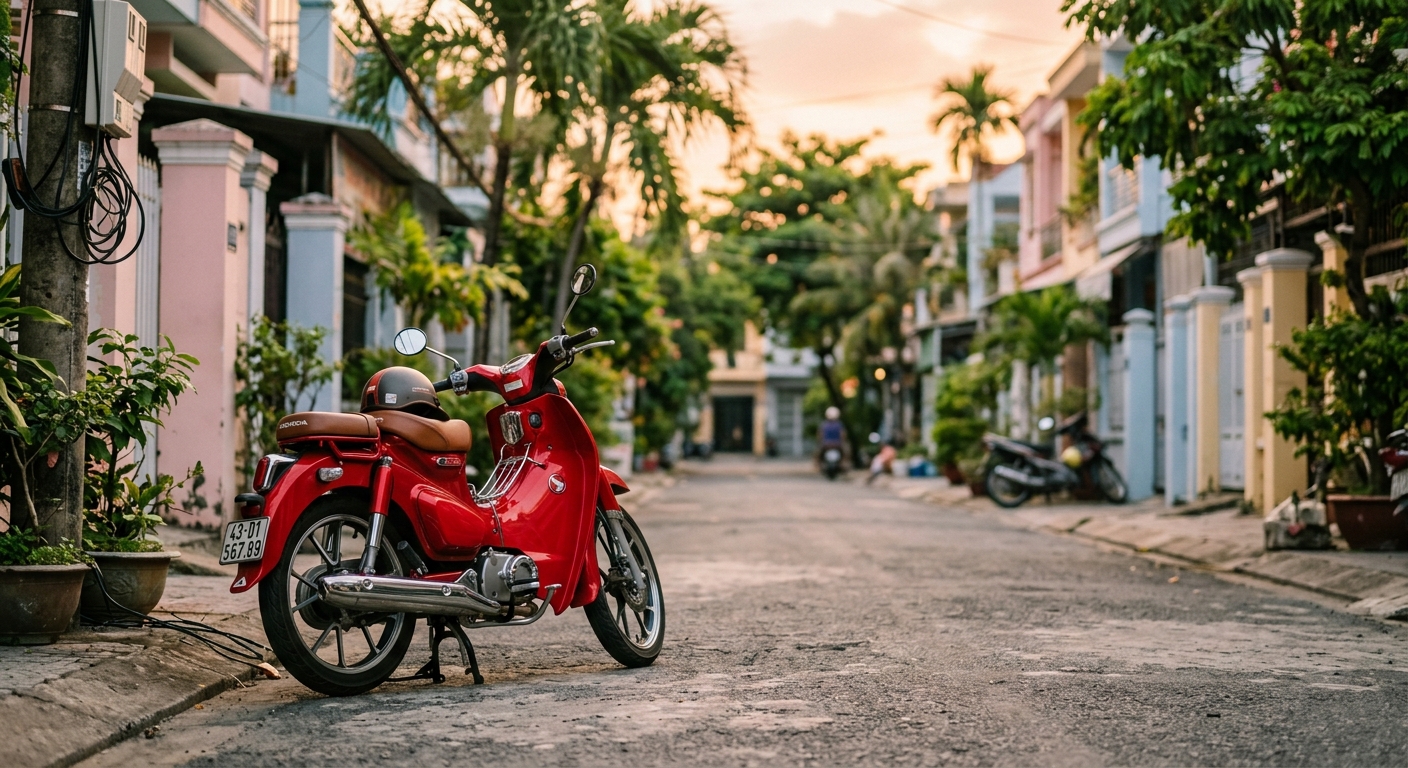
The morning sun hits the Son Tra Peninsula, and the road to the Lady Buddha statue beckons with the promise of wind and panoramic views of the coast. For many travelers, this is the exact moment they realize that walking or waiting for a rideshare app just won’t cut it. You want the freedom of two wheels. Da Nang is, by Vietnamese standards, a relatively manageable city to ride in, but the gap between “getting away with it” and “following the letter of the law” is wide enough to drive a truck through. Renting a motorbike in Vietnam is a rite of passage for many, yet it remains firmly planted in a legal grey zone that can catch you off guard if you aren’t prepared.
The Reality of Licensing and Insurance
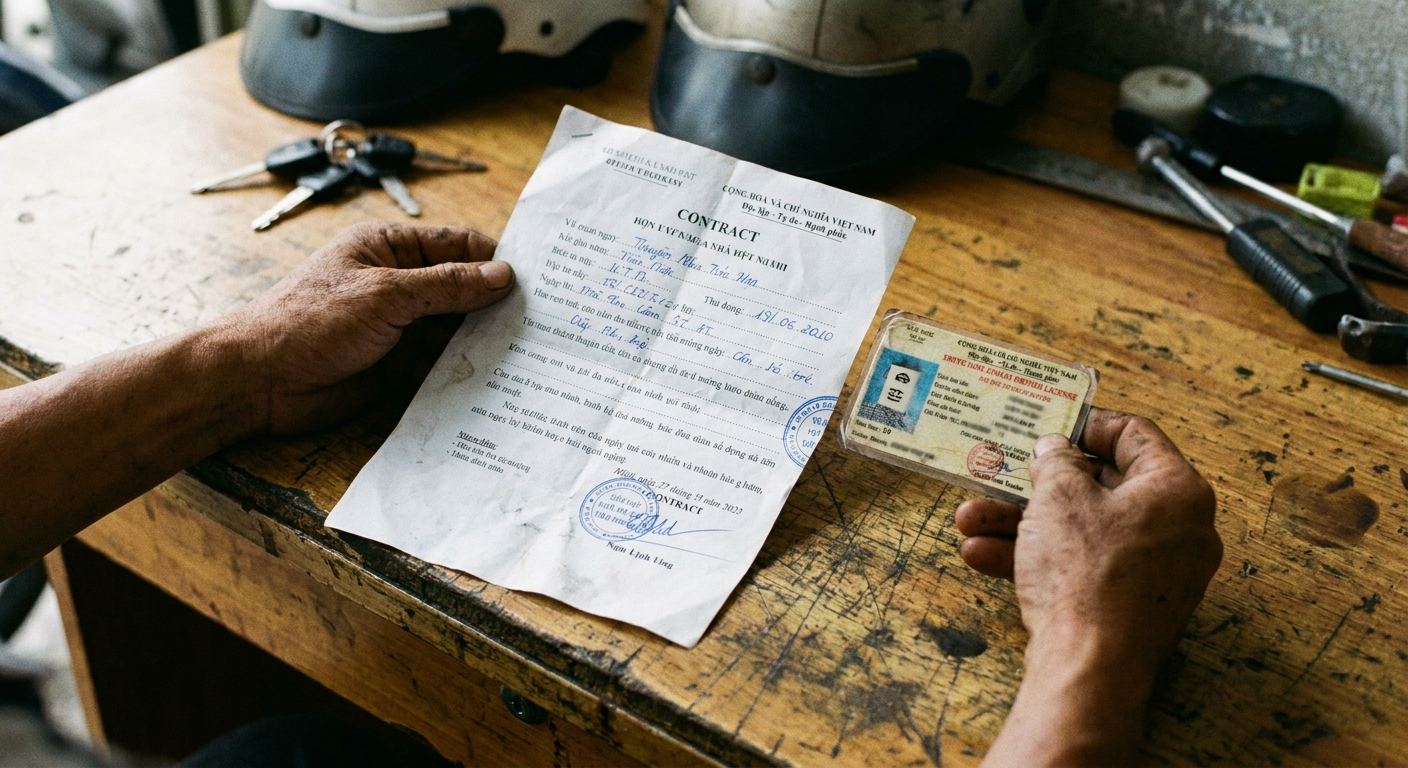
The most persistent myth among backpackers is that their home country’s car license, or even a motorcycle license without an International Driving Permit (IDP), is valid in Vietnam. It isn’t. To be strictly legal while operating a motorbike in Da Nang, you need a Vietnamese motorcycle license, which is nearly impossible to obtain as a short-term tourist. An IDP—specifically one issued under the 1968 Vienna Convention—is the only internationally recognized document that might hold water during a police stop, provided it is accompanied by your valid home-country license. If you are riding a bike over 50cc without this combination, you are technically unlicensed in the eyes of the Vietnamese authorities.
Rental shops, however, operate on a different set of logic. They are businesses, and their primary concern is handing over the keys to anyone with the cash and a passport photocopy. You will rarely be asked for a license when you sign the rental contract. This “don’t ask, don’t tell” policy is why you see thousands of foreigners weaving through traffic every day. But remember: if you get into an accident, your travel insurance provider will almost certainly deny your claim if you do not possess a valid license for the displacement of the bike you were riding. That hospital bill or liability claim is entirely on you.
Police checkpoints in Da Nang are frequent, particularly along the coastal road heading toward Hoi An or near the Dragon Bridge at night. If you are stopped, the interaction is usually straightforward. The officer will ask for your license and registration. If you lack the proper documentation, you will likely face a fine. While there is a persistent reputation of on-the-spot “informal” payments, it is far better to be respectful and accept the official process if you are in the wrong. Keep your cool, be polite, and have a small amount of cash tucked away separately from your main wallet just in case a fine is issued on the spot.
Before you commit to the rental, keep these practical points in mind:
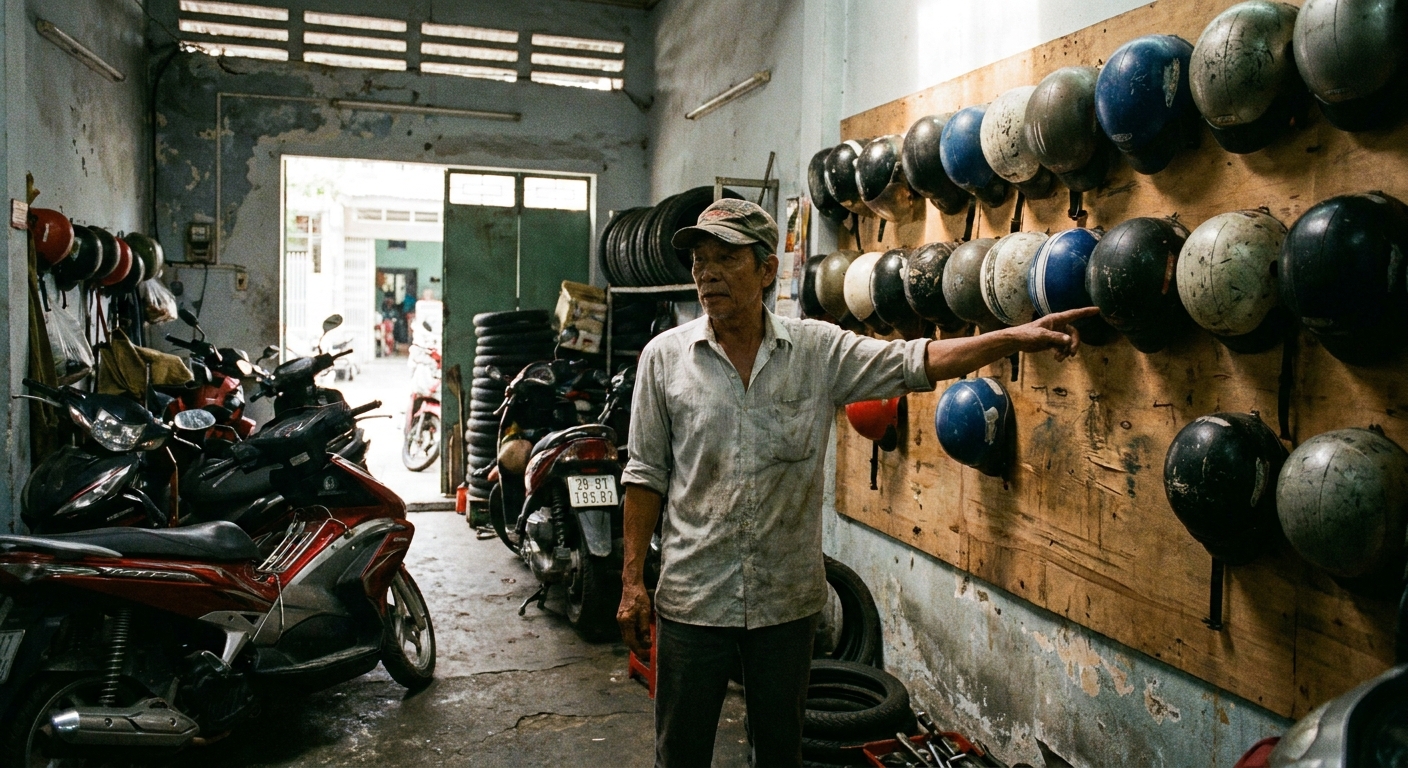
- Check the brakes, tires, and lights before pulling out of the shop.
- Ask for a helmet that actually has a chin strap and fits your head securely.
- Take photos of the bike from every angle, including existing scratches, before you leave.
- Keep the rental shop’s phone number saved in your contacts in case of a breakdown.
When you are in the middle of traffic, the rules of the road feel more like suggestions. You will see people turning left from the right lane, ignoring red lights, and driving the wrong way down one-way streets. As a foreigner, you are expected to follow the law even if the locals don’t. Police are much more likely to pull over a tourist than a local, not necessarily because they are biased, but because tourists are predictable and often carry cash. If you stay off the main highways, stick to the speed limit, and wear your helmet, you are far less likely to draw attention to yourself.
Ultimately, the decision to ride comes down to your own risk tolerance. If you are an experienced rider who understands the local flow of traffic, the risk is manageable, provided you accept the potential financial consequences of an incident. If you have never ridden a motorcycle before, Da Nang is not the place to learn. The chaotic energy of the roads is beautiful to observe from a sidewalk cafe, but it can be unforgiving to the inexperienced. If you do decide to head out, do it with the awareness that you are operating outside of your home country’s legal safety net, and ride as if every other vehicle on the road is trying to turn into your path.