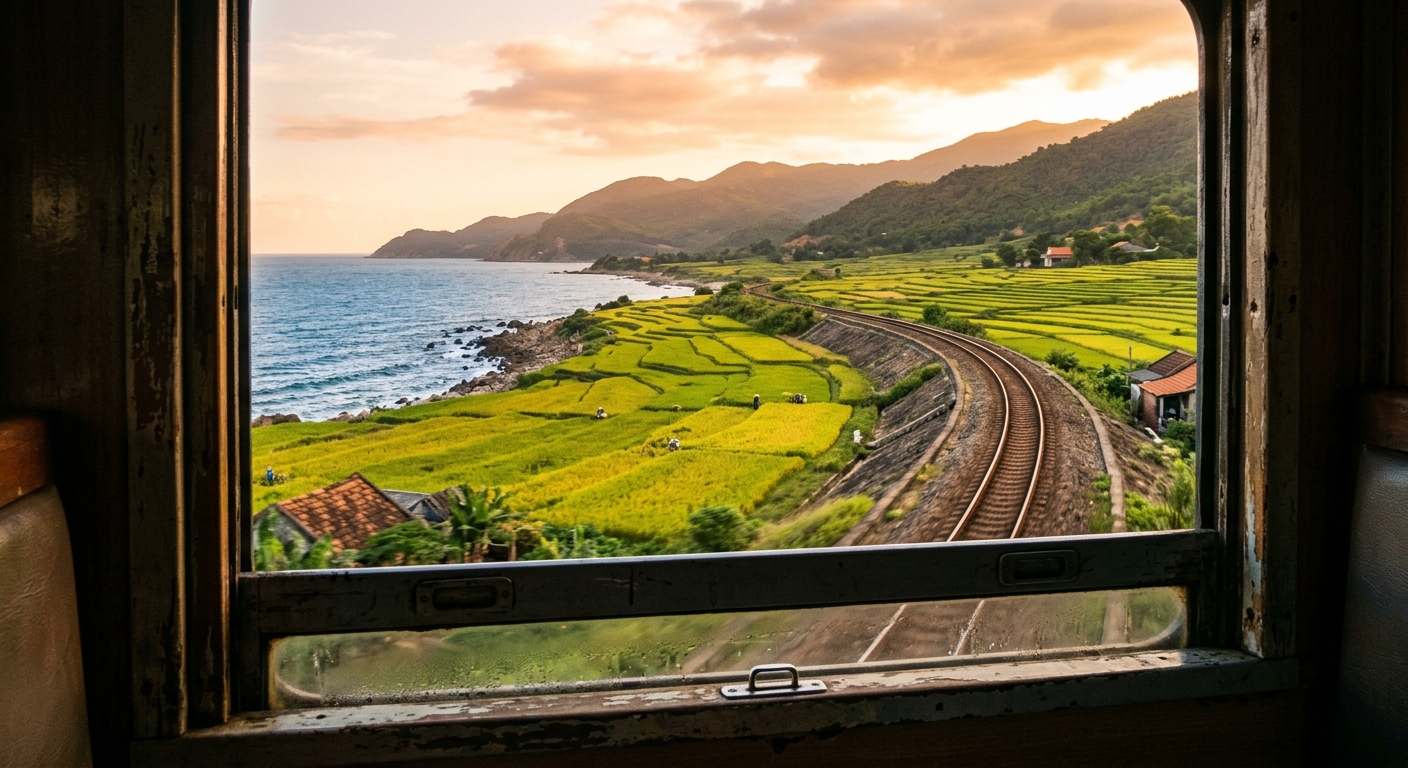
The rhythmic clatter of steel wheels against tracks is the heartbeat of the Reunification Express, a transport vein that has pulsed through Vietnam since the country’s north and south were stitched back together in the 1970s. Leaving Saigon Station, the urban sprawl of Ho Chi Minh City quickly gives way to emerald rice paddies and the hazy, distant silhouettes of mountains. Taking the train is not about efficiency; if you wanted speed, you would fly. This journey is about the slow, deliberate unspooling of the landscape, offering a window into the rural life that exists far beyond the perimeter of the major tourist hubs.
Booking the Saigon Da Nang train requires a bit of foresight. While you can purchase tickets directly at the station counter, doing so in person can be daunting if you aren’t fluent in Vietnamese. The most reliable method for international travelers is using the official Vietnam Railways website or a reputable third-party aggregator. When you book, you will be presented with a dizzying array of options. Do not be tempted by the hard seat—a rigid, upright wooden bench that will leave you physically broken by the time you reach the central coast. Opt instead for the soft sleeper. These compartments consist of four bunks with a mattress, a pillow, and a blanket, providing a sanctuary where you can stretch out and watch the humidity of the south slowly transition into the breezier climate of Central Vietnam.
Decoding the sleeper car experience
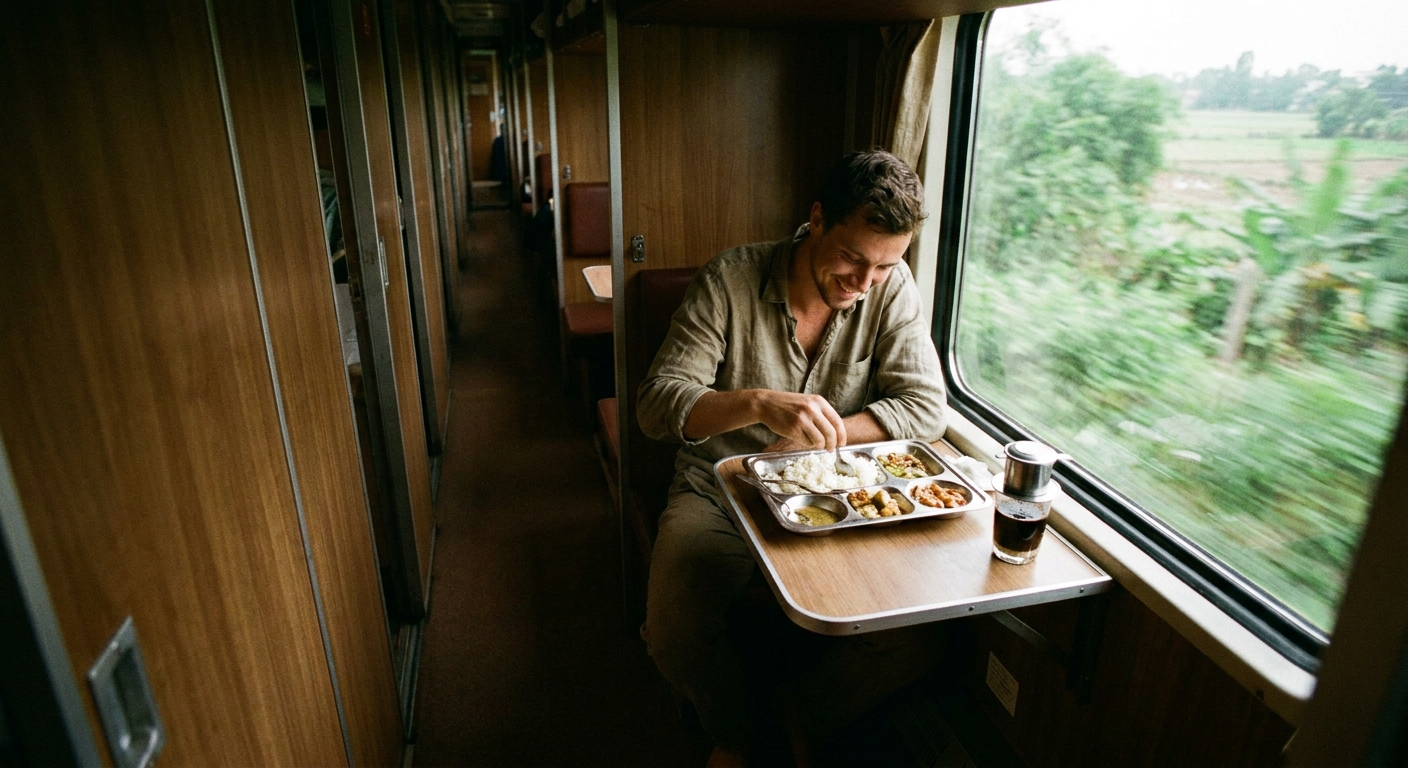
Once you are settled into your cabin, the reality of long-distance rail travel in Southeast Asia sets in. The train cars are functional, showing the wear of decades of service, but they possess a rugged charm that newer high-speed lines in other countries often lack. You will find that the toilets are at the end of each carriage and cleanliness is variable; bringing your own toilet paper and hand sanitizer is not just a suggestion, it is a travel necessity. Regarding sustenance, the dining car offers basic hot meals, typically rice with pork or chicken, but seasoned travelers usually pack their own supplies to supplement the journey.
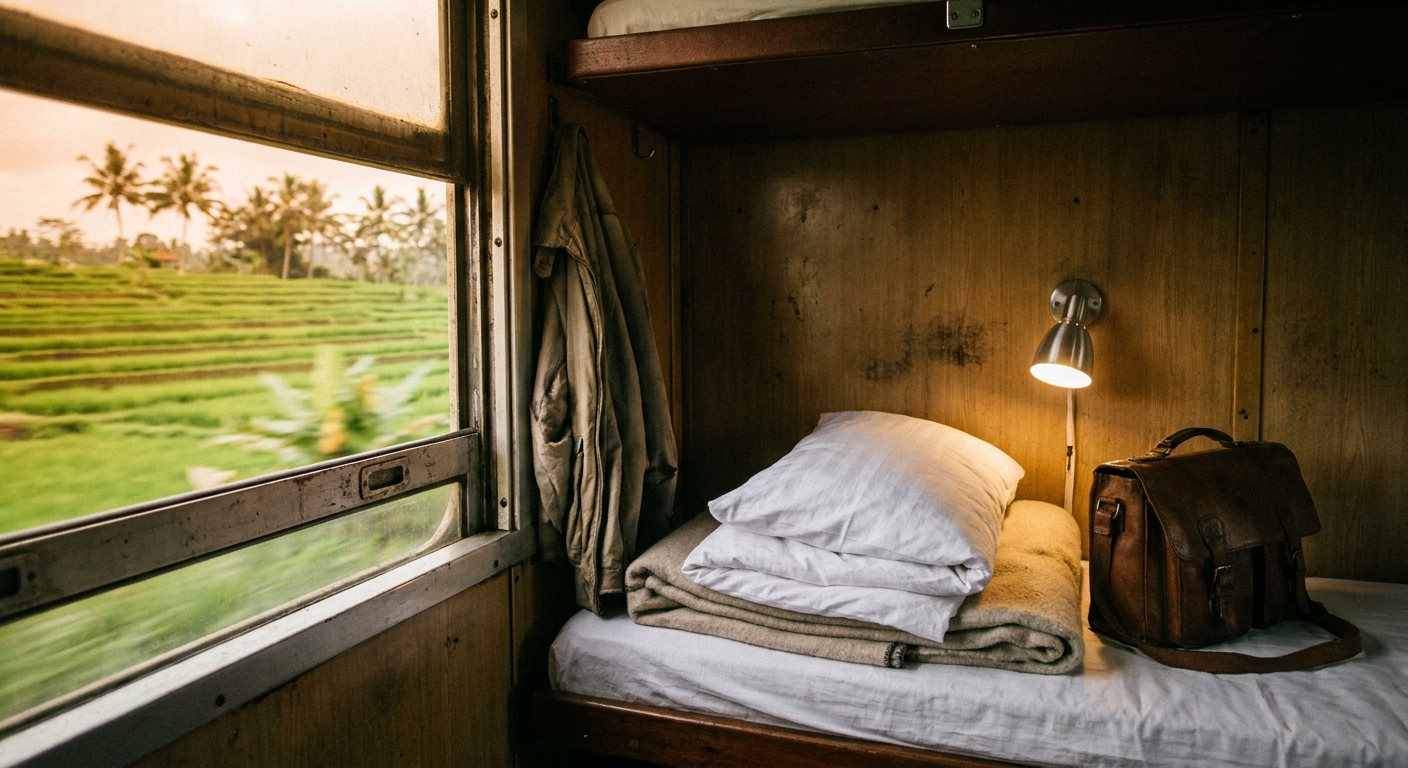
Packing for the train is an art form. To keep your transit comfortable, consider bringing the following items:
- A pair of slip-on shoes for easy navigation to the bathroom or the dining car.
- A noise-canceling headset or earplugs to soften the ambient roar of the tracks.
- A portable power bank, as power outlets in older carriages can be hit or miss.
- A light sweater, as the air conditioning in the sleeper compartments is often dialed to an arctic setting.
The stretch of track between Nha Trang and Da Nang is the crown jewel of the Reunification Express. After passing the coastal city of Nha Trang, the train begins its ascent and follows the coastline with breathtaking intimacy. For hours, you are treated to views of the South China Sea, where turquoise waves crash against jagged, jungle-draped cliffs. The tracks weave so close to the water in some sections that you feel as though you might tip right into the surf. As the train snakes through the mountain passes near the Hai Van section, the perspective shifts. You look down into deep, verdant valleys, past tiny fishing villages tucked into coves, and across golden beaches that remain largely untouched by commercial development.
It is in these moments—watching a fisherman cast a net into a sun-drenched lagoon while your train rumbles slowly through a tunnel carved into solid rock—that the true value of the journey reveals itself. You are not just getting from A to B; you are witnessing the vast, varied geography that defines the Vietnamese identity. By the time the train pulls into Da Nang, the grime of the journey feels like a fair trade for the hours spent staring out at a coast that remains one of the most stunning rail routes in the world. As the brakes hiss and the platform comes into view, you realize that the slow pace wasn’t an inconvenience, but the entire point of the trip.