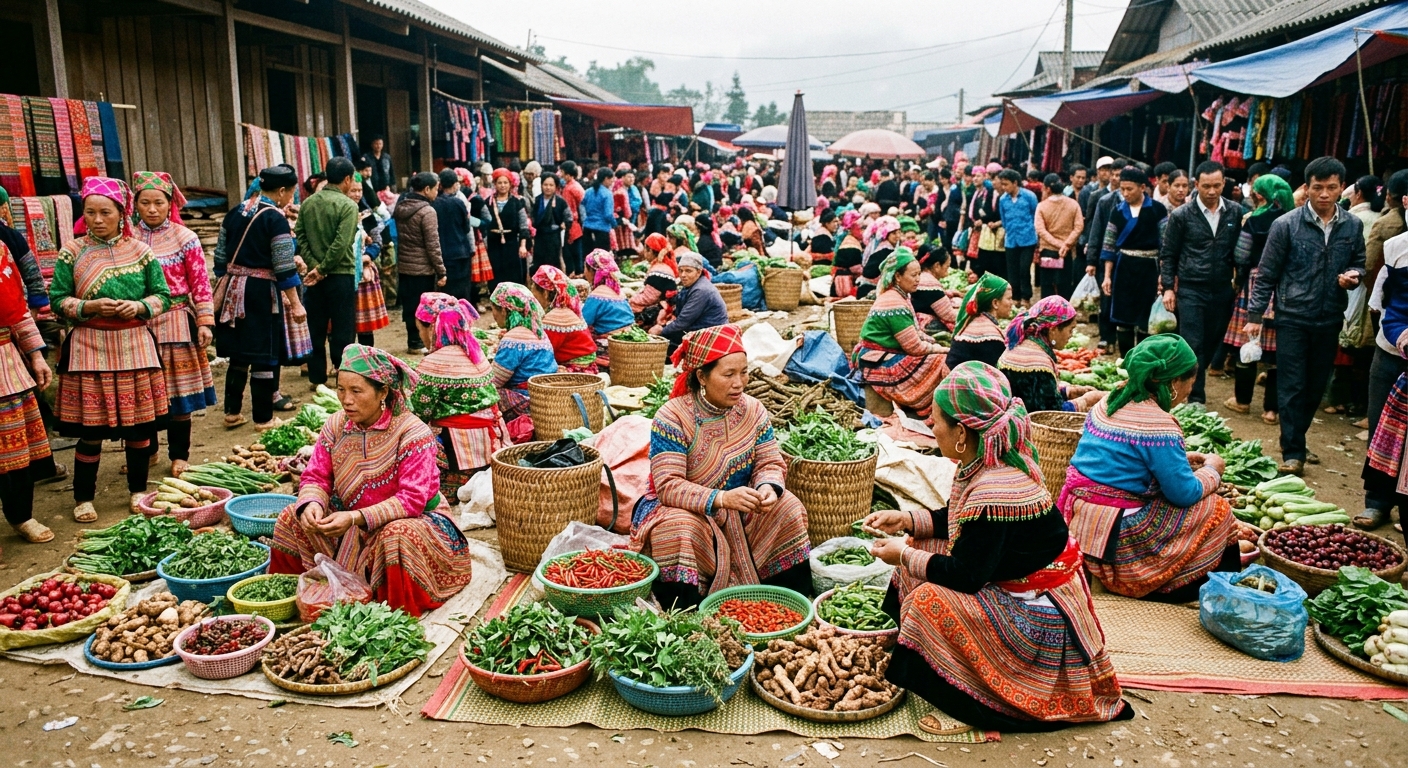
The mist clings to the jagged limestone peaks surrounding Bac Ha long after the sun has begun its slow climb. By seven in the morning, the town square is already a chaotic tapestry of color, defined largely by the vibrant, intricately embroidered skirts of the Flower Hmong women. It is Sunday, the only day the town truly wakes up, transforming into the most significant hill tribe market in the entire northwest highlands. While Sapa has leaned heavily into its role as a tourism hub, Bac Ha retains a raw, visceral edge that feels untethered from the modern world.
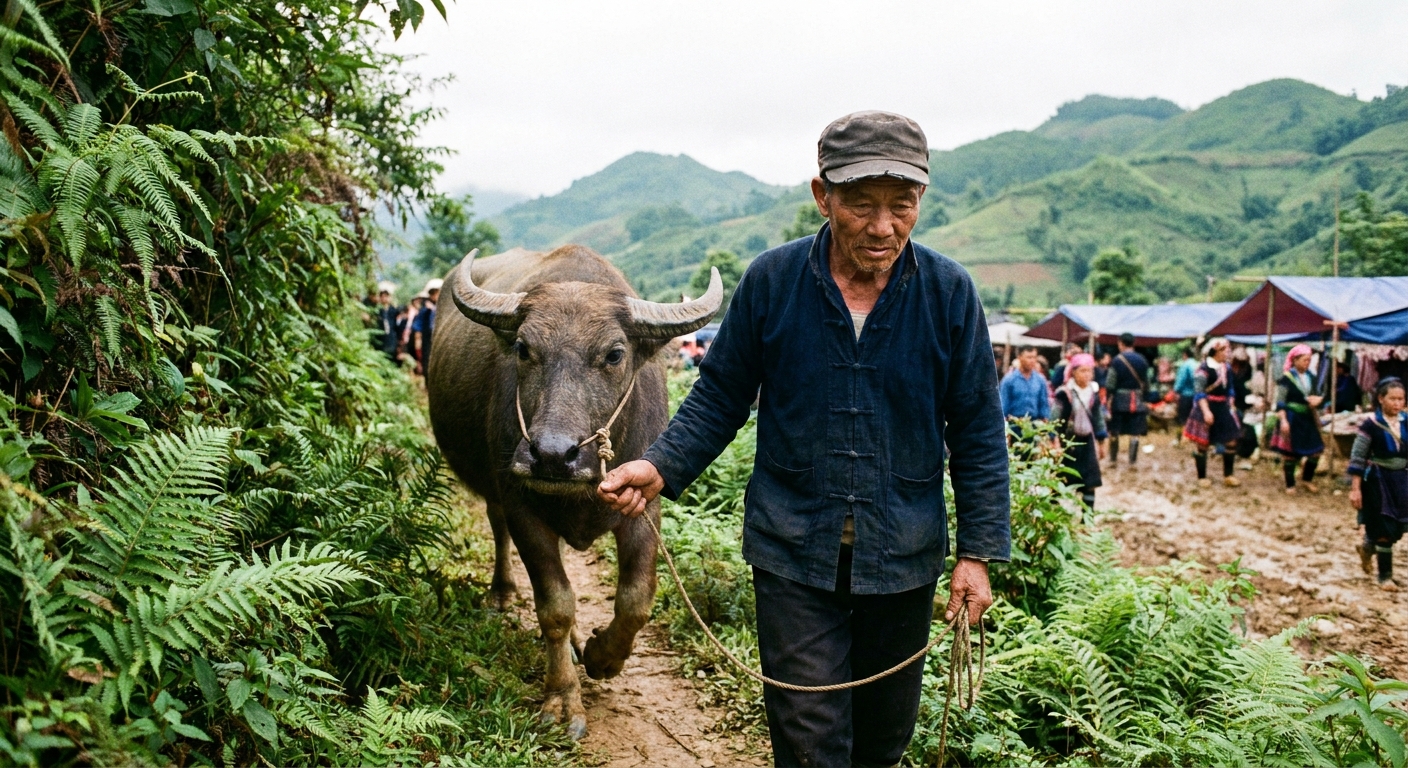
Walking through the gates, the first thing that hits you is the scent: a potent mix of damp earth, pungent herbs, and the iron tang of fresh livestock. It is an overwhelming sensory experience. Farmers from the surrounding valleys arrive before dawn, leading water buffaloes by rope and carrying baskets overflowing with produce on their backs. To a casual observer, the market is a spectacle of traditional aesthetics, but to the locals, it remains a vital economic hub for bartering, social networking, and seasonal trade. You will see elderly men hunched over bowls of steaming thang co—a traditional horse meat soup—while younger generations gather around stalls selling cheap plastic trinkets and smartphone accessories that contrast sharply with the hand-woven hemp textiles nearby.
Into the Heart of the Highland Trade
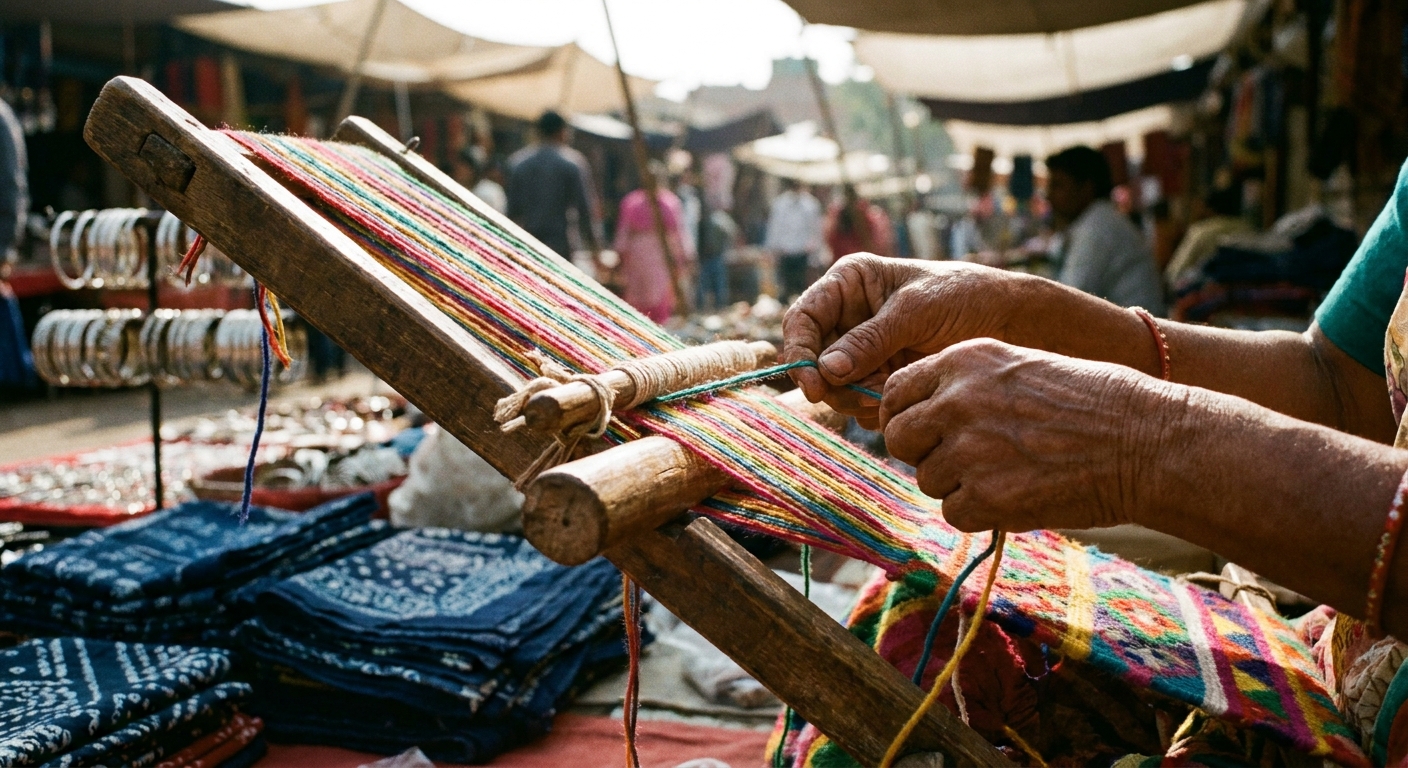
For many travelers, the primary allure is the visual intensity of the Flower Hmong people. They are named for the kaleidoscope of colors in their handmade clothing, which can take months to complete. As you weave through the aisles, the stalls shift from raw goods to artisan crafts. The section dedicated to textiles is particularly mesmerizing, filled with indigo-dyed fabrics, silver jewelry, and scarves that seem to hold the history of the mountain tribes in their weave. While it is easy to fixate on the tourist-facing stalls, the real magic happens on the periphery. Here, you find the herbalists selling bundles of medicinal leaves, dried roots, and pungent mushrooms used for everything from stomach aches to warding off bad spirits.
Getting here requires a bit of logistical patience, especially if you are based in Sapa. Most visitors book a shared shuttle or a private car for the two-and-a-half-hour drive. The road winds precariously along mountain passes, offering sweeping views of terraced rice fields that look like emerald staircases carved into the earth. Because the market is best experienced early, you will likely find yourself leaving Sapa before six in the morning, watching the sunrise illuminate the valleys below. It is a long journey, but it ensures you arrive just as the energy reaches its fever pitch, long before the tour buses from Hanoi pull into the parking lot.
While exploring, it is helpful to keep a few practical considerations in mind to make the morning more comfortable:
- Carry small denominations of Vietnamese Dong, as vendors rarely have change for large notes.
- Wear sturdy shoes, as the market floor can become slick and muddy depending on the recent rainfall.
- Respect the local privacy by asking before taking close-up portraits of the elders.
- Try the local corn wine, but do so with caution, as it is notoriously potent.
What the tourists see—the bright costumes and the exotic livestock—is only a thin layer of a much deeper, more complex social ritual. Beneath the surface, this is where marriage alliances are whispered, crop prices are set, and news from the far-flung valleys is exchanged. As the afternoon sun warms the square, the noise begins to subside. The buffaloes are loaded back onto trucks, the embroidered umbrellas are folded, and the crowds begin to thin out. By two in the afternoon, Bac Ha retreats back into its quiet, highland slumber, leaving behind only the scent of herbs and the lingering traces of a culture that refuses to trade its identity for the sake of convenience.
The return drive back to the base of the mountains is usually quieter. The adrenaline of the morning fades into a meditative silence, broken only by the rhythmic hum of the vehicle engine against the winding asphalt. You look out the window at the shifting clouds and realize that the market wasn’t just a destination, but a brief window into a way of life that remains remarkably stubborn in its traditions. Even as the sun dips behind the ridge, the colors of the Flower Hmong skirts seem to stay burnt into your vision, a vibrant reminder of a Sunday morning spent in the clouds.