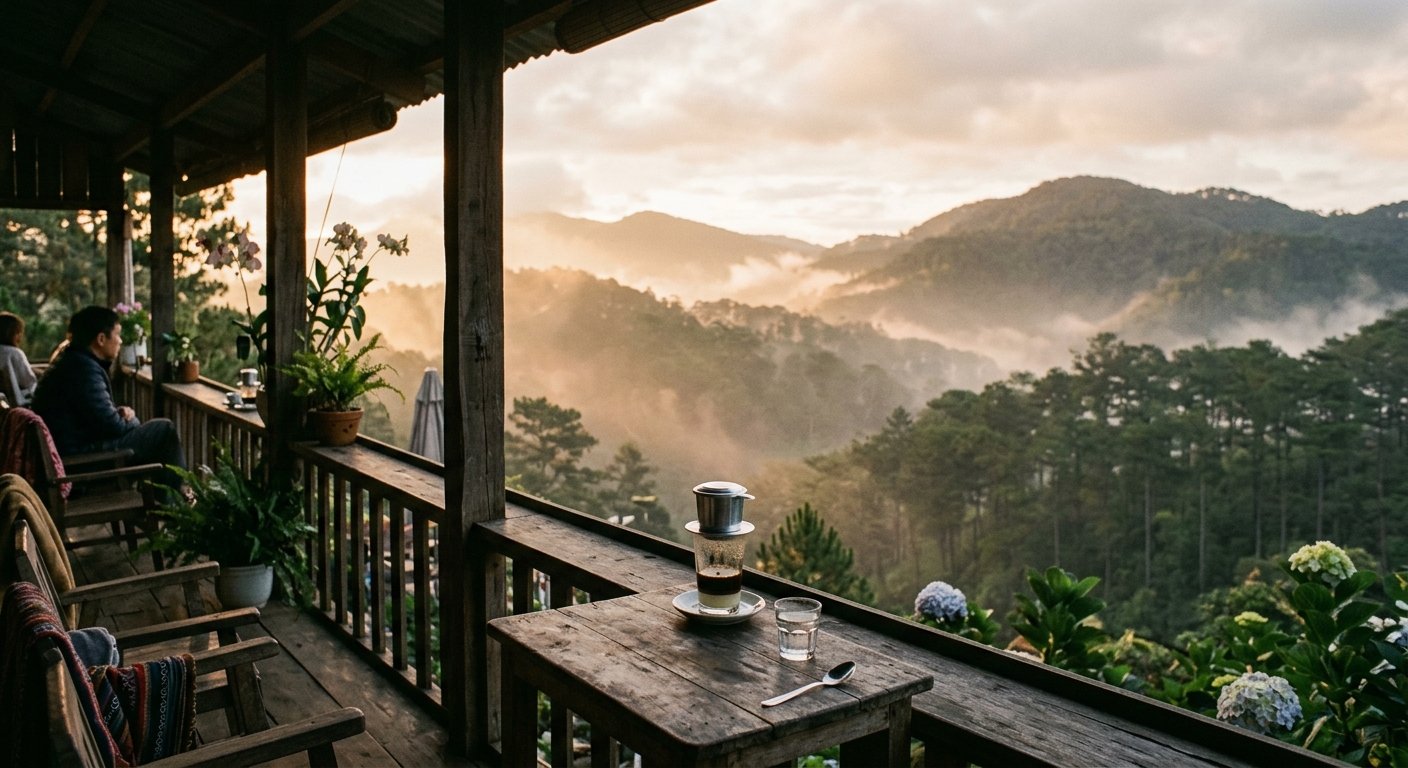
The mist in Da Lat doesn’t roll in with the dramatic flair of a mountain storm; instead, it settles like a soft, woolen blanket over the pine-covered hills. While the rest of Vietnam pulses with the frenetic, neon-lit energy of motorbike swarms and street-side chatter, this highland retreat demands a different rhythm. Here, the air is sharp with the scent of damp earth and resin, a cooling relief that makes the thick, sweet intensity of a traditional drip coffee feel like a necessary ritual rather than a quick caffeine fix.
In Saigon, coffee is an adrenaline shot taken on a plastic stool, perched precariously on a sidewalk while exhaust fumes mingle with the aroma of roasted beans. It is efficient, utilitarian, and loud. In contrast, slow travel in Da Lat is defined by the three minutes it takes for a silver phin filter to perform its duty. You watch the dark, syrupy droplets gather in the glass, a rhythmic percussion that matches the slow, deliberate pace of the town itself. This isn’t a beverage to be downed; it is an experience to be savored while the temperature dips low enough to justify a second sweater.
Where the Highlands Meet the Morning Mist
The geography of the Central Highlands dictates the culture of the local bean. Da Lat sits at an altitude that makes it the epicenter of highland coffee Vietnam, and you can taste the altitude in the cup. The beans grown on these slopes possess a refined acidity and a nutty, chocolatey undertone that feels more nuanced than the robusta-heavy blends found in the lowlands. When you walk into one of the city’s hidden gems—perhaps a wooden chalet tucked away on a winding hillside road or a garden café overlooking the Xuan Huong Lake—you aren’t just ordering a drink. You are participating in a local micro-climate of hospitality.

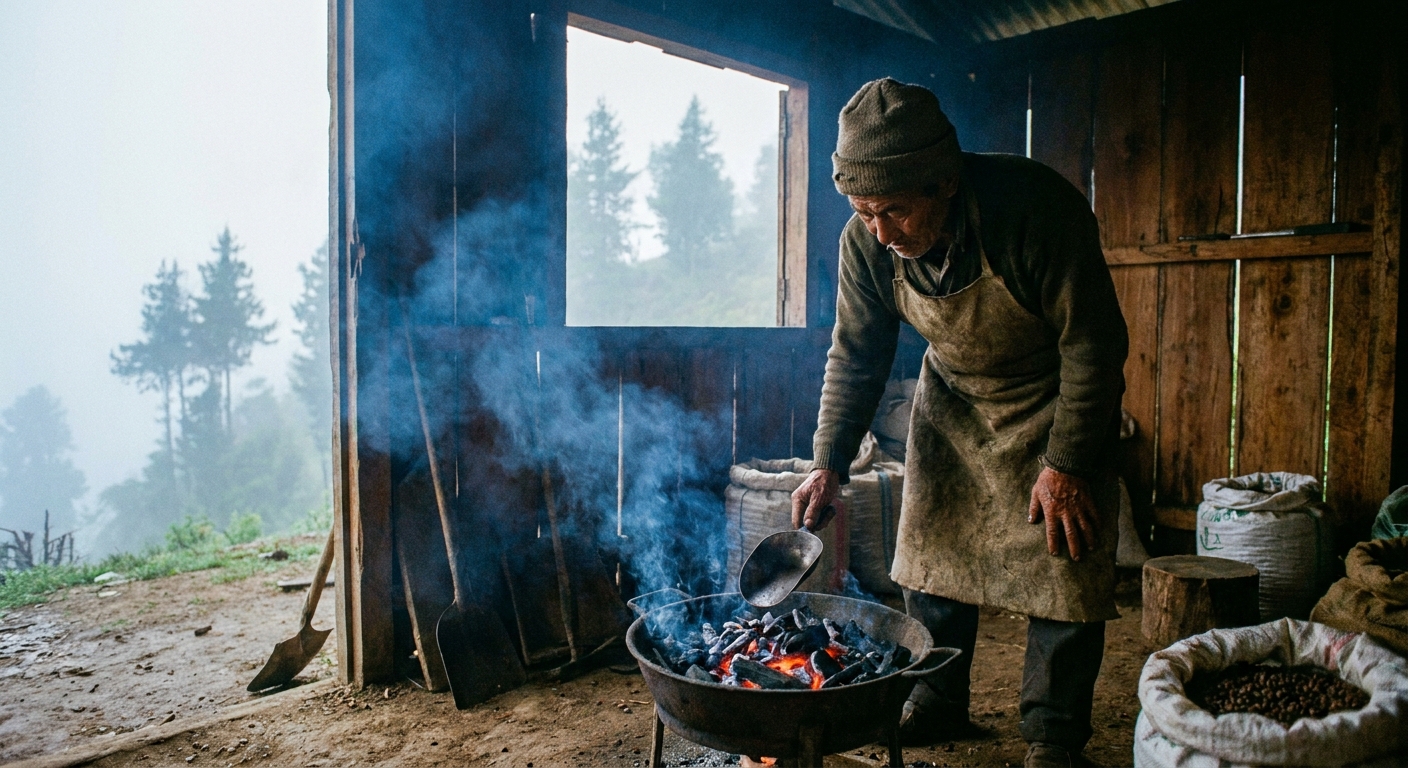
Finding the right spot requires a willingness to get slightly lost. The best da lat cafes are rarely the ones shouting from the main squares. They are the quiet, unassuming terraces where the owners take pride in the source of their harvest, often roasting the beans in small batches on-site. You might find yourself in a space filled with succulents and vintage record players, where the only soundtrack is the muffled sound of a distant motorbike climbing a steep incline and the low hum of conversation. It is a place where you can open a notebook or simply watch the afternoon light shift across the hills without anyone asking you to vacate your table.
If you are looking for the quintessential experience, keep an eye out for these defining characteristics of the local scene:
- Terraced seating that prioritizes a view of the valley or the pine forest.
- A menu that highlights specialty Arabica beans grown in the neighboring districts of Cau Dat.
- Minimalist wooden decor that emphasizes the natural, cool-climate surroundings.
- A selection of local artichoke tea or strawberry-infused delights to pair with the heavy bitterness of the brew.
There is a profound luxury in the way time expands in Da Lat. In the lowlands, the heat often forces a mid-afternoon lethargy that feels like a struggle against the sun. Up here, the cool air energizes the mind while simultaneously slowing the body. You find yourself lingering over a cup of cafe sua da long after the ice has melted and the coffee has thinned, simply because the act of sitting still feels like a productive use of time. It is a rare indulgence in a country that is famously addicted to movement.
The beauty of this slow-burn approach is that it forces you to notice the details you would otherwise miss in a whirlwind itinerary. You notice the way the light filters through the pine needles, creating a tapestry of gold on the forest floor. You notice the soft, polite cadence of the local vendors who seem less interested in the hard sell than their counterparts in the big cities. By the time you reach the bottom of your glass, having scraped the last of the condensed milk from the sides with your spoon, the afternoon has likely vanished into a deep, velvety twilight.
As the temperature drops further and the streetlights of Da Lat begin to flicker on, the city takes on an almost European, alpine quality. The transition from the warm, humid energy of the coast to the chilly, pine-scented stillness of the plateau is a reminder that Vietnam is a land of radical, beautiful contradictions. Settling into that final cup of coffee as the mist creeps back into the alleyways, you realize that the real highlight of the trip isn’t the destination itself, but the unexpected, quiet grace found in the simple act of slowing down.