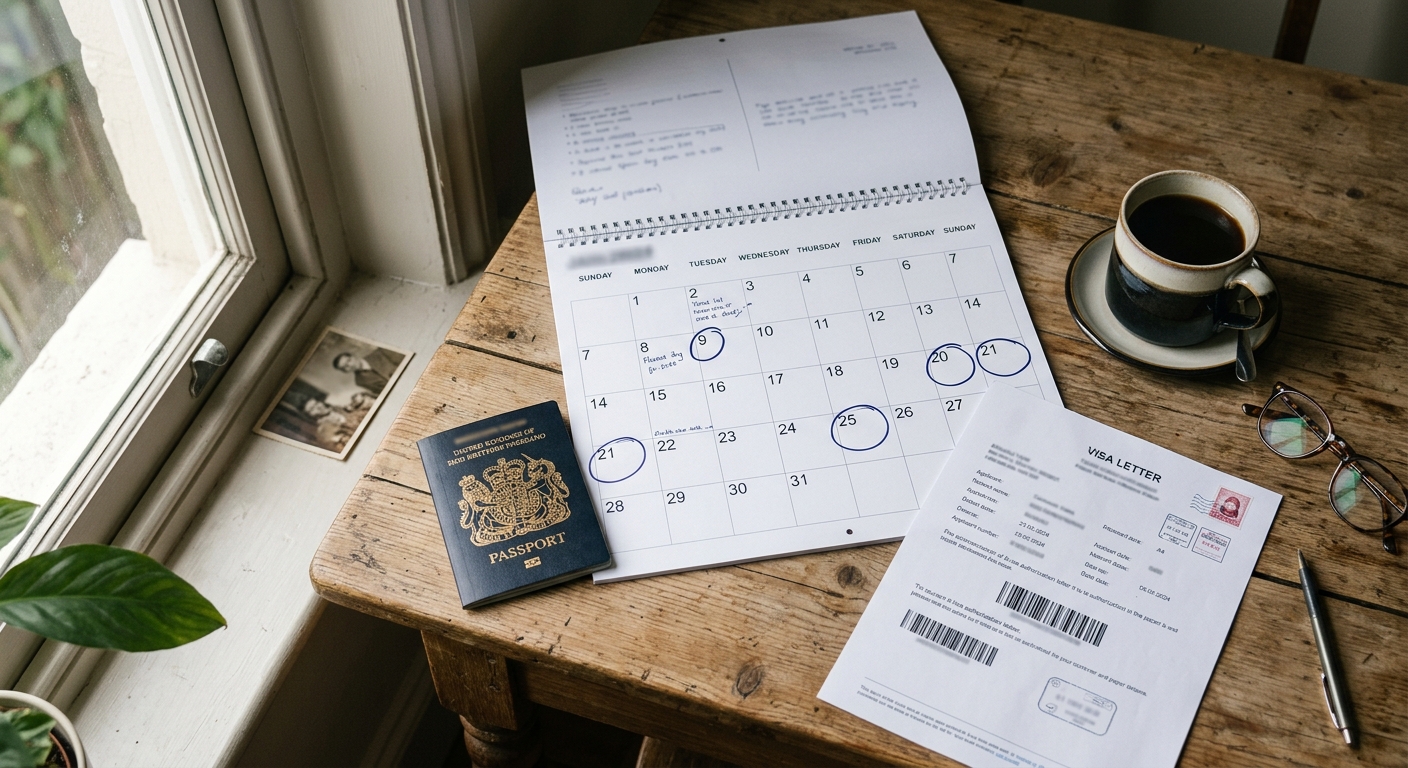
Applying for a Vietnam visa has evolved significantly over the last few years, moving away from the old-school visa-on-arrival letters toward a digitized e-visa system that, in theory, keeps everyone on a level playing field. If you are sitting on your couch waiting for that email confirmation, the uncertainty can be frustrating. While the official government website suggests a processing window of three to five working days, that number is more of a guideline than a guarantee. Understanding how long does it take to vietnam e-visa get approved requires looking past the official boilerplate and toward the reality of how the immigration department actually functions on a day-to-day basis.
Most applicants who submit clean, error-free applications find their approval letter arriving in their inbox within two working days. This is the sweet spot for the current system. When everything is correctly digitized—the scan of your passport is crisp, your portrait photo meets the specific white-background requirements, and your entry point is clearly defined—the automated systems and human officers move quickly. However, relying on this two-day turnaround is a gamble. If you are booking flights based on that expectation, you are leaving yourself exposed to unnecessary stress.
Variables That Shift Your Processing Timeline
The primary factor that extends your wait time is the calendar. Vietnam observes a significant number of public holidays, and the immigration department shuts down during these periods. If you submit your application right before the Tet Lunar New Year or the National Day holiday, those three to five working days essentially pause. It is not uncommon for a request to sit in a digital queue for over a week simply because the offices are closed for a national celebration. Always cross-reference your submission date with a Vietnamese holiday calendar before you hit that payment button.
Another major variable is the nationality of the applicant. While the e-visa is open to citizens of almost every country, the depth of the background review is not uniform. Some travelers find that their application is pushed into an additional review phase. This is usually not cause for alarm, but it effectively resets the clock. If you have traveled to Vietnam frequently, have spent significant time in the country in the past, or fall into certain diplomatic categories, your background check might involve a manual sign-off that the standard algorithm doesn’t require. This is why checking your vietnam visa status regularly is vital once the three-day mark has passed.
Technical hiccups also contribute to delays. Even a minor discrepancy can trigger a “request for information” email. If you provided a photo where your glasses are reflecting light or your passport scan is slightly blurry around the edges, the system will flag it. You will then need to log back into the portal, correct the issue, and wait for the processing time to restart from zero. To minimize these risks, double-check these common pitfalls before hitting submit:
- Passport scans must include the full data page with the machine-readable zone clearly visible.
- Portrait photos must be recent, taken without glasses, and have no background shadows.
- The port of entry must match your itinerary exactly, as changing it after approval can be problematic.
If you find yourself deep into the waiting game, the online tracking portal is your only real source of truth. You should check your vietnam e-visa status through the official government link, rather than relying on third-party emails or updates. Often, the status will flip from “Processing” to “Granted” before you receive the automated email notification. If your status remains “In progress” beyond the five-working-day mark, it is possible your application has been flagged for a minor correction or an extended review. Patience is the standard currency here, but checking the status once daily is a reasonable way to ensure you haven’t missed a notification requiring your intervention.
Urgency is where most travelers run into trouble. There is no legitimate “express” lane provided by the government portal. While some private agencies might promise faster results, they are ultimately at the mercy of the same immigration officers. If you are within 72 hours of your flight, the standard e-visa route is inherently risky. Planning your application at least two weeks before your departure date removes the panic from the process. It allows for the inevitable delays caused by weekends, internal system reviews, and the occasional administrative backlog. Getting your documents sorted early means you can focus on your itinerary rather than your inbox.
Ultimately, the system is efficient enough to work for most people, provided you respect the potential for variance. Don’t view the timeline as a fixed delivery date but rather as a range of probabilities. If you submit early, ensure your documentation is pristine, and keep an eye on the official portal, you are far more likely to receive your approval within the standard work week. If you hit a delay, treat it as a routine administrative hurdle rather than a rejection, and use the official tools provided to monitor your progress toward final approval.