
Most travelers clicking refresh on the immigration portal assume that the official three-working-day window for a Vietnam e-visa is a hard-and-fast rule. In reality, the timeline is more of a guideline that fluctuates based on a invisible matrix of background checks and internal processing surges. While many applicants receive their documents within the standard window, those who have traveled to certain regions or hold passports that require additional administrative scrutiny often find themselves waiting significantly longer. Understanding that this timeline is elastic is the first step toward avoiding pre-trip anxiety.
The processing engine for Vietnam’s e-visa system is not a simple automated queue. It is a system that flags files for manual review based on a variety of risk assessments. Nationality acts as the primary filter, but it is rarely the only one. Applicants from countries that maintain streamlined bilateral relationships with Vietnam generally see faster turnarounds, sometimes clocking in at 48 hours. Conversely, travelers from nations where visa requirements are historically more stringent—or where local authorities require deeper background verification—often experience processing times that stretch well beyond the five or seven-day mark. This is not about bias; it is about the internal administrative protocols each applicant’s country of citizenship triggers within the Vietnamese immigration system.
Factoring in Personal Travel History and Profiles
Your previous interactions with the Vietnamese border control are just as influential as your passport’s cover. If you have visited Vietnam multiple times on short-term visas, or if your passport contains stamps from countries that signal a higher likelihood of long-term work or residence, the algorithm is likely to tag your file for a deeper review. This is where most applicants get caught off guard. They assume that because they have successfully visited the country before, the system will expedite their approval. Usually, the opposite happens: the system wants to verify that the pattern of your travel aligns with the terms of the visa you are currently requesting. If you are applying for a 90-day e-visa after several back-to-back entries, expect the administrative team to take a closer look at your application.
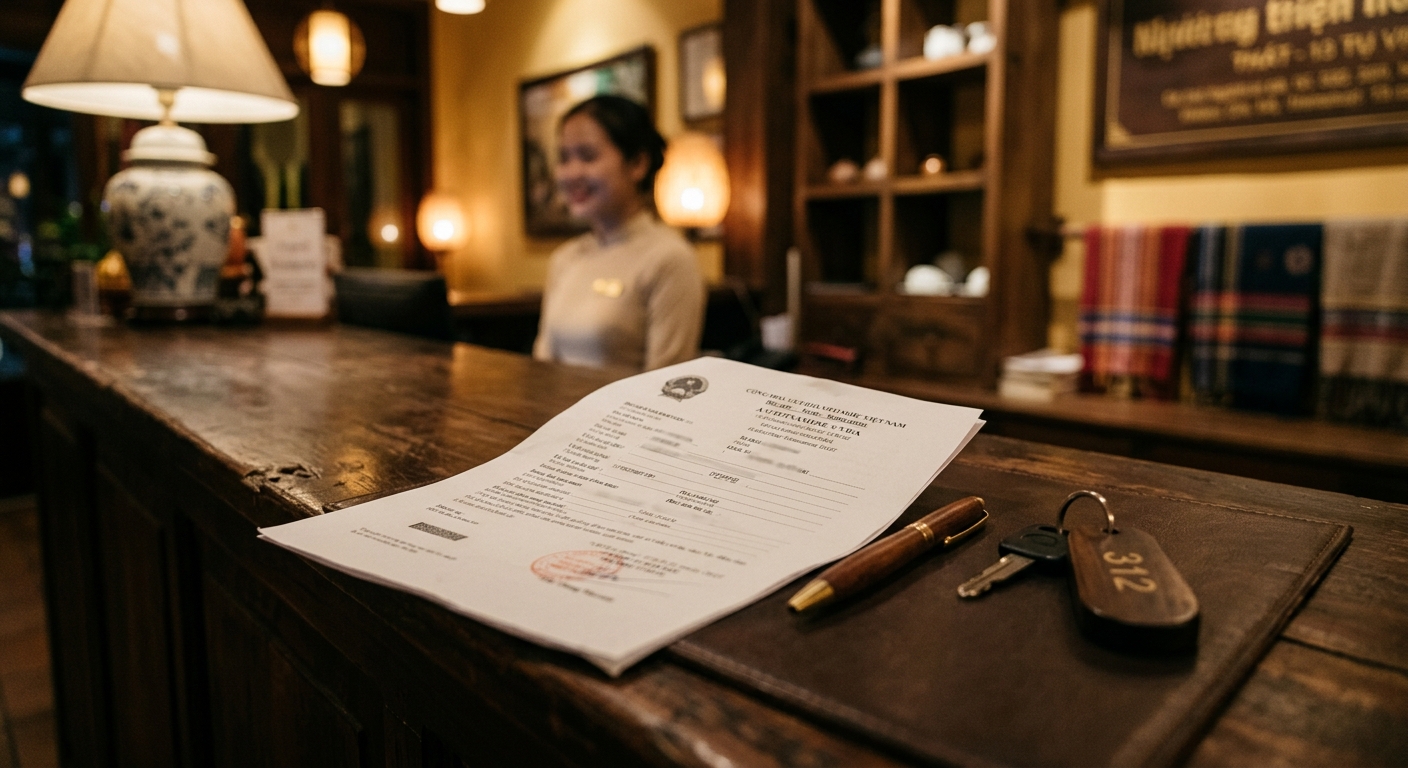
Travelers should also be mindful of the timing of their submission in relation to the Vietnamese calendar. National holidays, such as Tet or Independence Day, can cause a massive backlog that affects everyone, regardless of nationality. During these periods, even the most straightforward application can linger in the queue for a week or more. If you are submitting your request during a peak travel season, it is wise to calculate your lead time by doubling the standard estimate. Relying on the official three-day window when a major holiday is approaching is a recipe for missed flights and panicked itinerary changes.
If you find yourself stuck in a limbo state, checking your Vietnam visa status frequently will not accelerate the process. The immigration office operates on its own internal clock, and refreshing the page every few hours only feeds your own stress levels. However, it is essential to keep a close watch for email notifications, as requests for additional information or clarification of travel details often end up in spam folders. When a file is returned for correction, the clock resets. To keep your application moving as efficiently as possible, ensure that all the following details are verified before you hit submit:
- The passport scan must be perfectly clear, with no glare obscuring the data strip.
- The portrait photo must match recent government-compliant dimensions without filters or shadows.
- The entry and exit points must match your flight itinerary exactly, as changes here often require a new application.
- Ensure your passport has at least six months of validity remaining from your projected date of entry.
Knowing how long does it take to get a Vietnam e-visa approved is less about finding a magic number and more about understanding your personal risk profile. If you hold a passport that generally requires extra vetting, or if your travel history is unconventional, assume the process will be slower. By planning for a buffer of at least two weeks, you insulate yourself from the inconsistencies that occasionally plague the digital system. Treat the official processing time as a best-case scenario rather than an expectation, and you will find that the journey to Vietnam begins with significantly less friction. Monitoring your Vietnam visa status remains important, but patience remains your most valuable travel document.