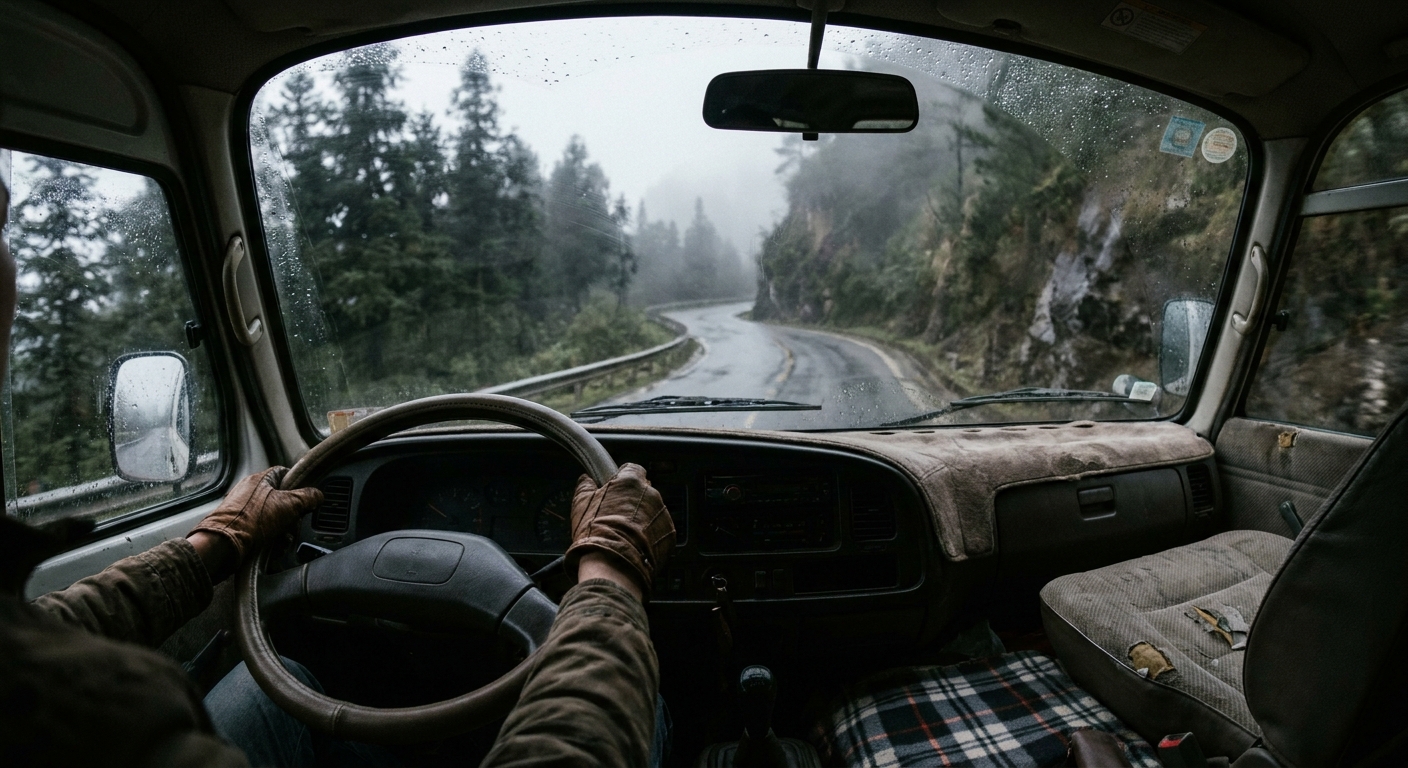
The transition from the sweltering, low-altitude humidity of Hanoi to the jagged, mist-wreathed peaks of the Hoang Lien Son range is rarely subtle. Even if you have opted for the comfort of a sleeper train or the newer luxury limousines, the final hour of the road trip is a sensory recalibration. The landscape shifts from the flat, frantic plains of the north to a vertical world of limestone cliffs and emerald-terraced rice paddies. As the vehicle climbs higher, the air doesn’t just cool; it thins, cleanses itself of exhaust, and begins to carry the scent of damp earth and woodsmoke. By the time you reach your hotel, you are likely gripping your jacket tighter, acutely aware that your Hanoi wardrobe is no longer sufficient.
Your hanoi to sapa arrival marks a shift in pace that can feel disorienting at first. The town of Sapa has grown rapidly over the last decade, yet the moment you step out of your transport, the sheer scale of the mountains keeps the development feeling secondary. You will likely feel a bit of “land legs” after the long ride—that lingering, rhythmic rocking sensation that follows a train journey—but the mountain air is a potent stimulant. It is the perfect moment to shed the heavy bags, pull on your thickest sweater, and commit to the simple act of finding your center before the serious trekking begins tomorrow.
Orienting Yourself Amidst the Mountain Mist
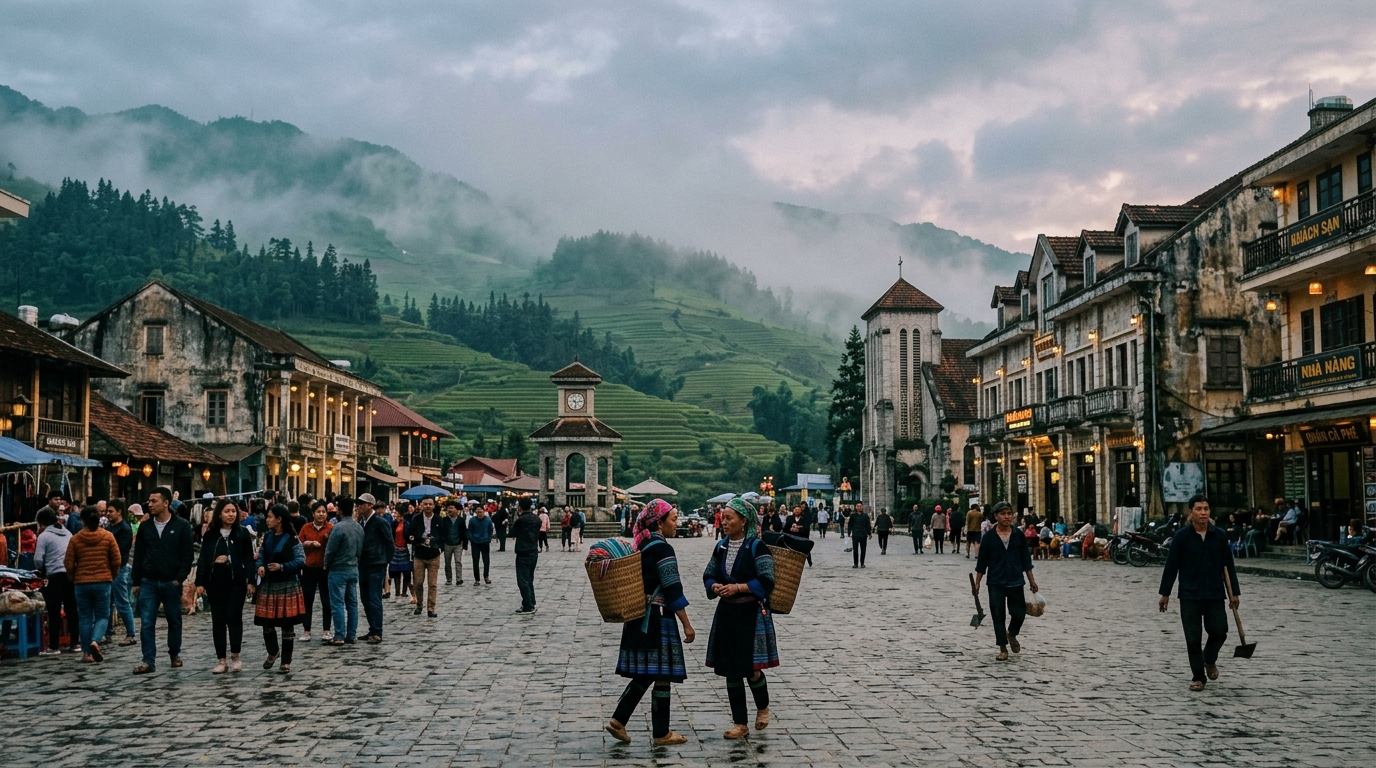
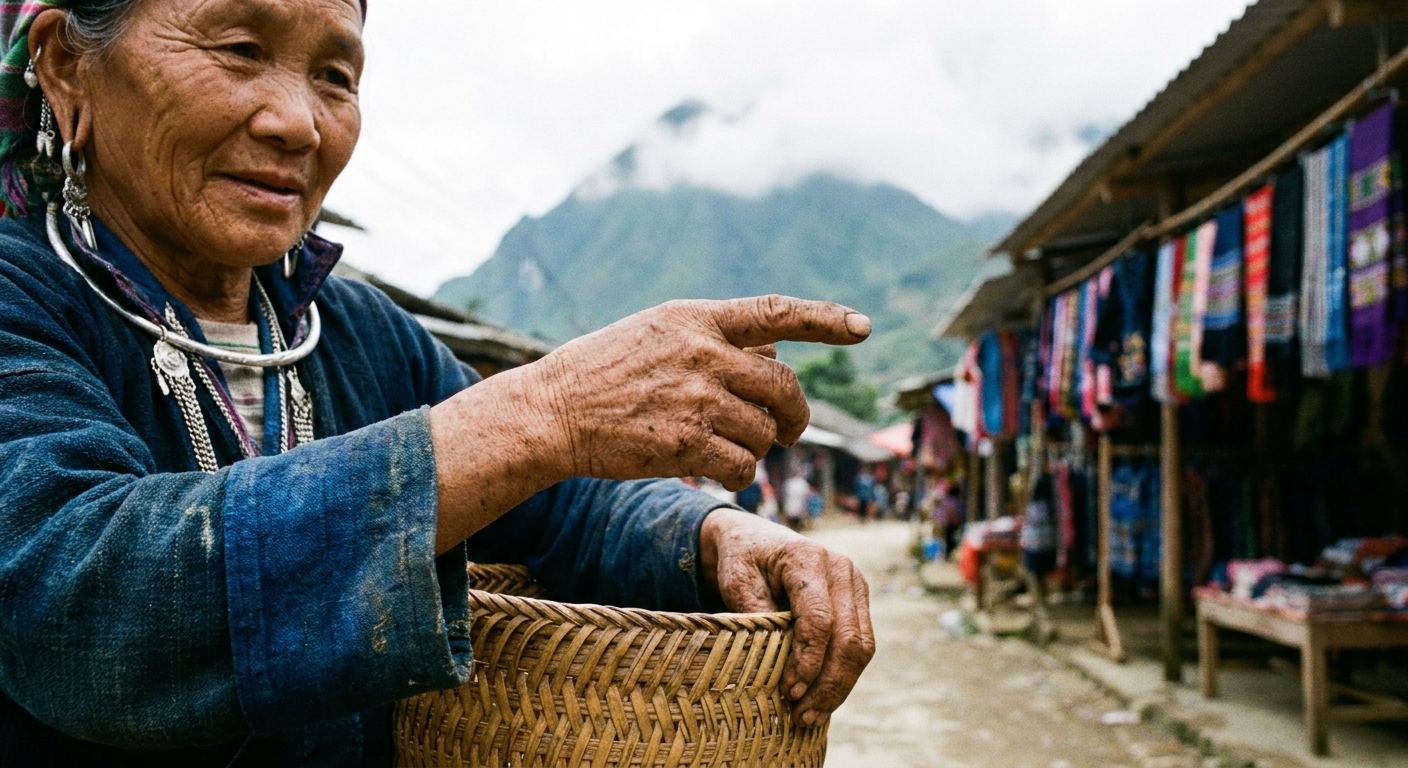
Finding your feet in the Sapa town square is a rite of passage for every traveler. This central hub is the beating heart of the town, framed by the looming presence of the stone church and the constant movement of Hmong women in intricate, indigo-dyed hemp clothing. It is chaotic, yes, but it is a managed chaos. You will see groups of trekkers checking their GPS, motorbikes weaving through the throng of vendors, and the occasional cloud drifting right into the plaza, momentarily obscuring the view of the surrounding peaks. Take ten minutes to sit on one of the stone benches here. Don’t look at your map yet. Just listen to the rhythm of the town: the distant clatter of pots from the nearby market, the multilingual chatter of hikers, and the sharp, crisp wind rattling the pine trees.
For those feeling the fatigue of the journey, the local cafes offer a sanctuary that feels miles away from the urban noise of the capital. Seeking out a small, quiet corner shop to order a steaming cup of ginger tea is the best way to handle your sapa first day. In this climate, ginger tea is not just a beverage; it is a necessity. It is sweet, spicy, and served hot enough to force you to slow down and sip. Watching the mist roll over the square while the heat of the cup warms your palms is the definitive Sapa experience. It grounds you. It reminds you that you are now deep in the highlands, where the schedule is dictated by the weather rather than the clock.
Before you retreat to your guesthouse for the night, there are a few practical logistics to keep in mind to ensure your first evening goes smoothly:
- Check your boots and gear for moisture; the humidity here can catch you off guard, even indoors.
- Identify the nearest pharmacy or convenience store for extra layers or basic supplies before they close at dusk.
- Confirm the departure time for your morning transport or local guide for the next day’s trek.
- Locate a reliable place for dinner that serves hearty, local staples like salmon hot pot or smoked buffalo meat.
As the afternoon light begins to fail, the sapa town square transforms. The temperatures drop sharply, and the golden glow of streetlights begins to pierce through the gathering fog. You will notice that the crowds start to thin, heading toward the charcoal-fired grills that line the street corners. The smell of roasting corn and sweet potatoes becomes pervasive, cutting through the damp chill. It is tempting to hurry inside, to seek the immediate warmth of a heater or a hot shower, but try to linger for just a few minutes longer. The way the valley lights begin to flicker far below, like grounded stars against the pitch-black mountainside, provides a perspective that no guidebook can replicate. It is a quiet, profound realization of how far you have traveled from the bustle of the city, and a gentle preparation for the rugged terrain waiting to be explored at dawn.