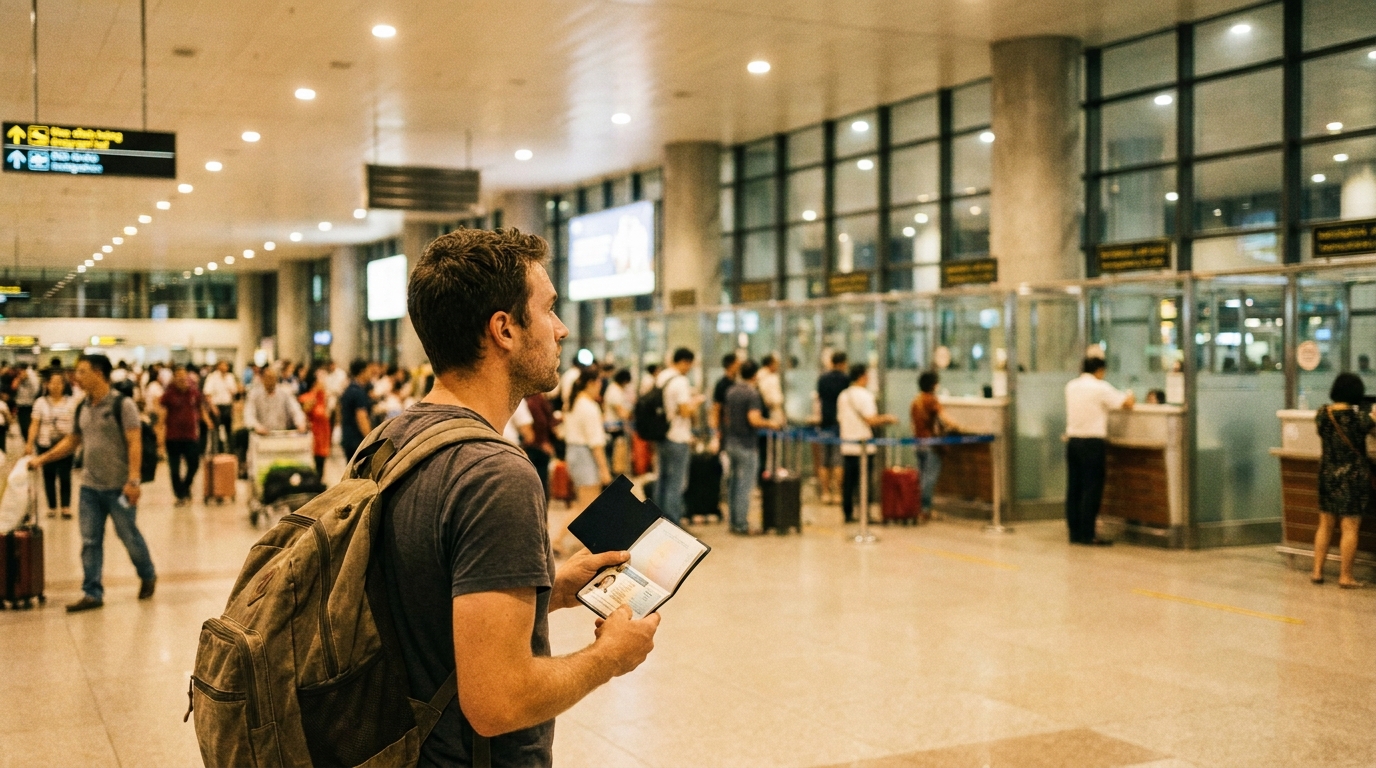
The anxiety that sets in three days after hitting “submit” on a Vietnam e-visa application is a familiar rite of passage for travelers heading to Hanoi or Ho Chi Minh City. You have paid the fee, uploaded your passport scan, and verified your arrival port, yet the silence from the government portal can be deafening. It is easy to start refreshing your browser obsessively, but the digital landscape of the Vietnamese immigration system is not a monolith. Information is often siloed, delayed, or subject to human error, leading many travelers to wonder exactly where they should turn to check vietnam e-visa status when the standard processing window starts to close.
The primary and only truly authoritative source for your visa progress is the official government portal managed by the Vietnam Immigration Department. When you submitted your application, you were issued a registration code, an email, and a password. This database is the single source of truth. If the status on this page says “Processing,” your visa is officially still in the queue, regardless of what you might have heard from secondary sources. The beauty of this system is that it is the direct line to the decision-makers. The downside is that it is notoriously rigid. It does not provide granular updates—you will not see a bar moving from “received” to “being reviewed” to “printed.” It simply sits in a state of purgatory until it suddenly flips to “Granted.”
The Disconnect Between Portals and Inbox Notifications
Most travelers assume that an email notification will act as the herald for their approved document. In reality, the email system is a secondary mechanism that frequently lags behind the actual database. There are countless reports of applicants logging into the official portal to find their e-visa ready for download, only to realize that the corresponding email confirmation did not arrive in their inbox until twelve or even twenty-four hours later. Sometimes, these emails are filtered into spam or promotional folders, causing unnecessary panic. If you are waiting on your approval, do not wait for a ping from your mail server. Check the government portal directly at least once a day, as that is where the file will materialize the moment it is finalized.

The situation becomes significantly more opaque when you involve a third-party agency. Many travelers choose to use visa services to handle the intricacies of the application, hoping that a professional intermediary will iron out any bumps in the road. These agencies often provide their own internal “tracking page” to show you where your application stands. It is vital to understand that these pages are essentially mirrors or wrappers for the official government data, or worse, simple internal spreadsheets updated by human staff. They are not connected in real-time to the immigration database. If an agency’s tracking page shows “pending” while the official portal shows “approved,” rely on the official portal every time. Conversely, if an agency tells you there is a problem with your photo or passport scan, they have likely received a direct request from immigration authorities that has not yet updated on the public-facing site. In these instances, the agent is providing a service of value by alerting you to a roadblock that the government portal might not explicitly describe.
Discrepancies between these three channels are common, and they usually stem from the fact that the government system is not designed for real-time customer support. If you find yourself needing to check vietnam visa status across multiple platforms, keep this hierarchy in mind:
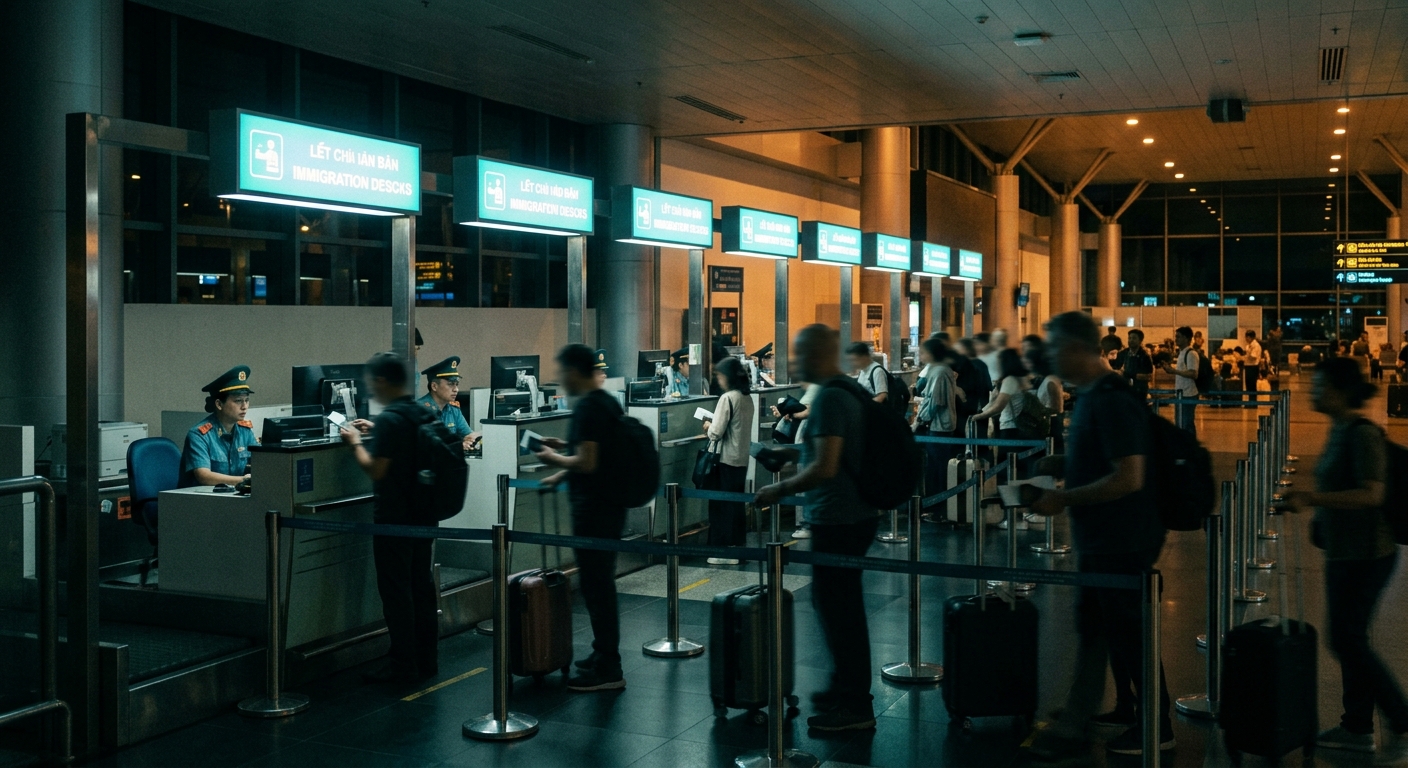
- The Official Portal: The absolute authority. If it says it is approved, it is approved.
- The Email Thread: A courtesy notification system that is prone to delays and technical glitches.
- The Third-Party Agent: A useful, human-led interface that is the best place to troubleshoot specific rejections or requests for more information.
When these sources contradict one another, the confusion can lead to impulsive decisions, such as filing a second application. This is a critical error. Vietnam’s immigration system is strict about duplicate entries. Attempting to force a status update by submitting a new application while one is already in progress often results in both being frozen or rejected outright. If you suspect your application is stuck beyond the standard three-to-five working days, look for a “request for information” marker on the official site rather than assuming it is a technical failure. Occasionally, officials will find a minor issue with your documents and place the application in a “needs amendment” state. This status is easily missed if you are only scanning for a green “granted” light.
Ultimately, the key is to cultivate patience while maintaining a disciplined, single-source approach. Pick one time each day to check vietnam e-visa status on the official portal. Use the secondary channels only to cross-reference or to seek human assistance if you have used an agency. By keeping your monitoring routine predictable, you avoid the trap of interpreting a temporary system glitch as a permanent denial. The infrastructure is admittedly imperfect, but for the majority of travelers, the document will arrive exactly when it is meant to, provided you allow the system the space to process your request without flooding it with redundant queries.