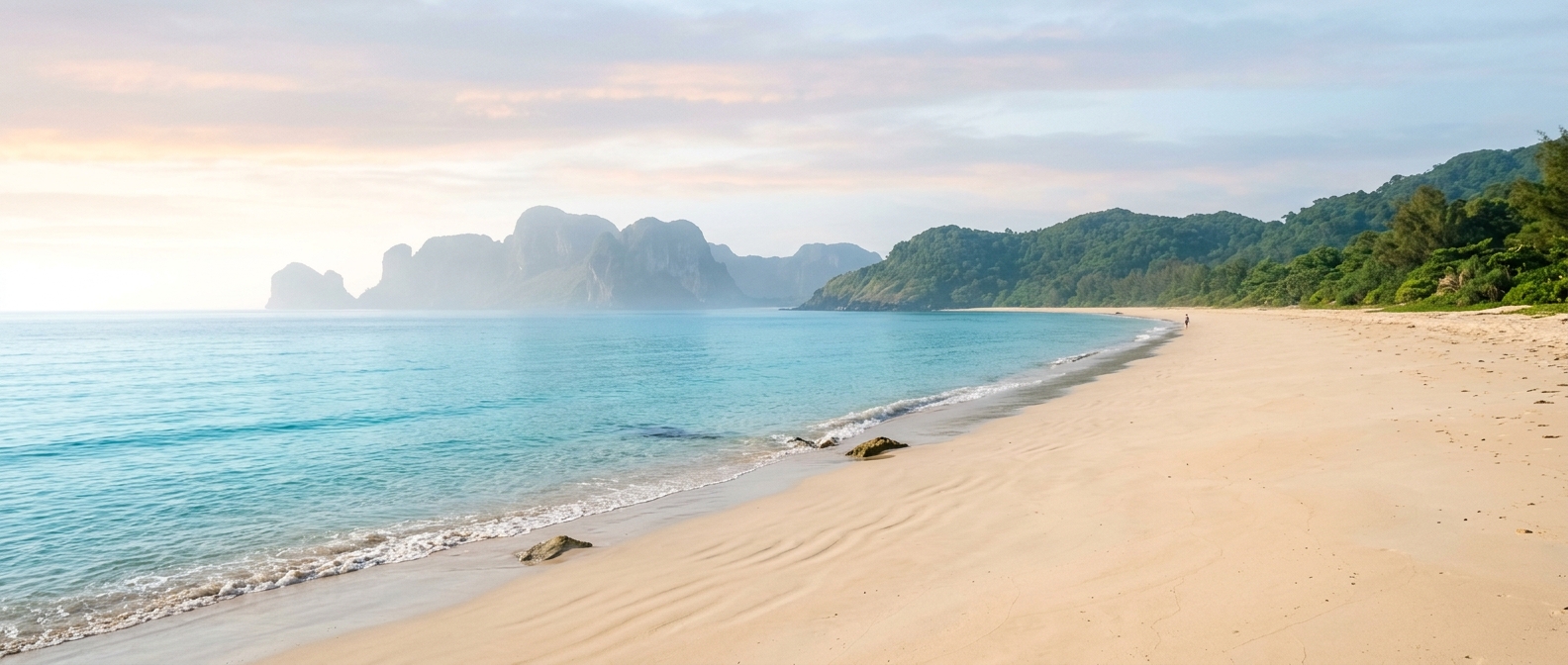
The descent into Con Dao Airport is unlike any other landing in the country. As the small propeller plane banks sharply over the sapphire expanse of the East Sea, the island rises abruptly from the water, all jagged green peaks and sheer cliffs. There is no sprawling metropolis waiting for you here, no aggressive taxi touts, and certainly no hum of frantic motorbike traffic. Stepping onto the tarmac, you are hit with a silence that feels heavy with history and thick with the scent of salt spray. This is the Con Dao islands Vietnam experience—a place that feels less like a tourist destination and more like a secret kept by the tides.
Getting here is the first filter that keeps the crowds at bay. You have the choice of a high-speed ferry from Vung Tau or a short flight from Ho Chi Minh City. While the ferry is a budget-friendly option, it can be a turbulent affair during the monsoon season, testing the mettle of even the most seasoned sea travelers. Most who value their time choose the flight, which drops you right into the heart of the archipelago in under an hour. Once you land, the reality of the island sets in: everything moves at the pace of a slow-rising sun.
Living with the Echoes of the Past
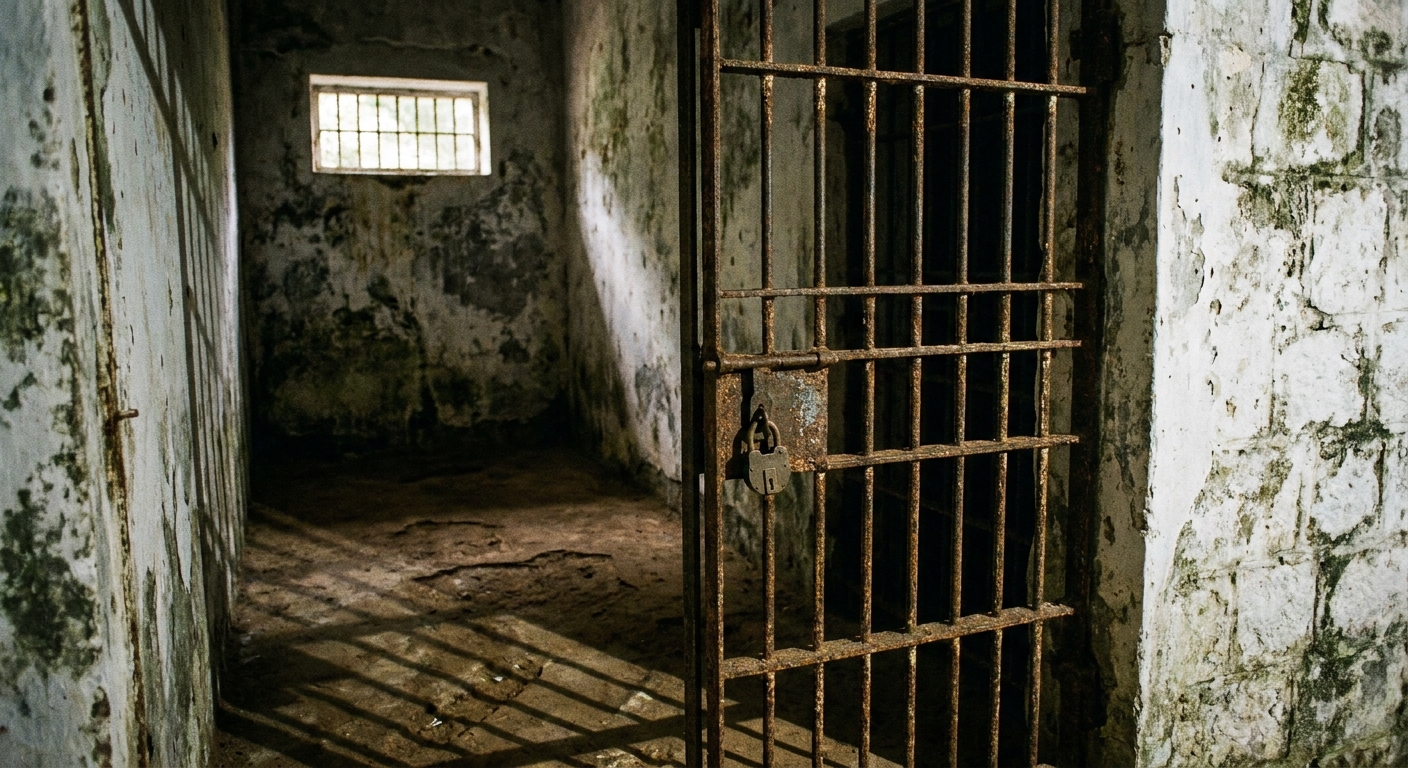
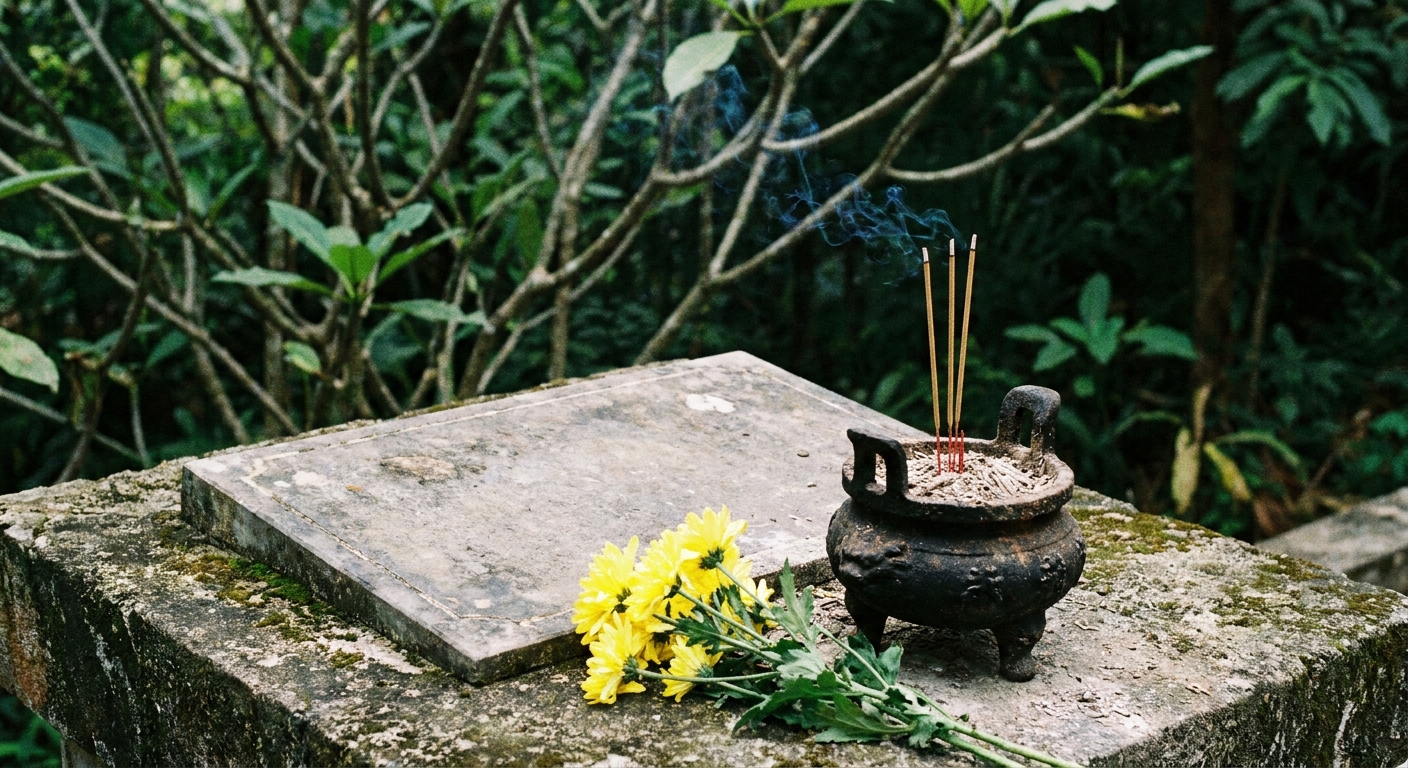
It is impossible to spend time on Con Son, the main island, without acknowledging its somber transformation. For decades, this was a place of exile, where French colonial masters and later the South Vietnamese government imprisoned political dissidents. Today, the Con Dao Prison complex serves as a chilling, necessary reminder of the human cost behind the island’s beauty. Walking through the “tiger cages” and the quiet, manicured cemeteries, the contrast is jarring. You walk out of a dark, cramped cell into blinding sunlight, and the sheer vibrancy of the island—the wild almond trees and the crashing waves—feels almost like an apology from nature itself.
Once you detach from the history books, the island reveals its true nature as an off the beaten path vietnam sanctuary. The roads are remarkably empty, winding through dense, protected national park forest where macaques occasionally dart across the pavement. There are no massive resort chains here. Instead, you find low-slung boutique properties and local guesthouses tucked away near the waterfront. Days on Con Son don’t revolve around checking off lists or finding the most Instagrammable spot; they revolve around the simple geometry of the coast.
You might start your morning at a local cafe in the town center, nursing a strong Vietnamese iced coffee while the fishermen return with their haul. By mid-morning, you head toward Con Son beach. It isn’t the kind of beach that requires a scramble for a lounge chair; more often than not, you can walk for a kilometer and count the people on one hand. The water is crystalline, shifting from pale turquoise to a deep, brooding indigo as the shelf drops away. When you swim, you feel small in the best way possible. It is just you, the expansive horizon, and the knowledge that you are hundreds of miles from the nearest mega-resort.
Because the island remains protected, the logistics of exploration require a bit of foresight. You aren’t going to find ride-sharing apps or a surplus of rental cars. If you want to see the island properly, your best tools are:
- A sturdy, reliable motorbike rental arranged through your guesthouse
- A basic map or GPS to find the hidden coastal lookouts
- Sturdy walking shoes for the forest trails in the national park
- A dry bag for protecting your gear during boat trips to the neighboring islets
Food here is an island affair, defined by what the boats bring in each morning. Fresh grouper, squid, and snails prepared with nothing more than chili, garlic, and a heavy hand of lime juice. You find these meals in plastic-chaired shacks along the main road where the service is blunt but the flavors are explosive. As evening falls, the island retreats into a quiet, dark slumber. There are no thumping beach clubs or neon lights to distract from the sky. On clear nights, the Milky Way hangs so low over the water that it feels like you could reach out and touch the stars.
Leaving Con Dao feels like waking up from a long, quiet dream. As the plane climbs back into the clouds, leaving the island to its solitude, you realize why travelers go to such lengths to avoid the standard tourist trail. Some places aren’t meant to be consumed; they are meant to be felt. It is a rare privilege to visit a corner of the world that still respects its own boundaries, staying quiet while the rest of the world rushes headlong into the noise.