The humidity in Saigon hits you the moment you step off the curb, a thick blanket of exhaust and dampened asphalt that makes the idea of sitting on a crowded bus for three hours feel like a punishment. Most tourists visiting Ho Chi Minh City opt for the standard group tour to the Cu Chi Tunnels. You have seen them—the long lines of minibuses idling in District 1, the guides with their neon flags, and the throngs of people marching in lockstep toward the entrance of the Ben Dinh site. Ben Dinh is the one closest to the city, which makes it popular, but it is also the one that feels most like a theme park exhibit. It is where the tunnels have been widened to accommodate larger frames, and where the silence of the forest is often broken by the constant crack of the rifle range.
If you want a genuine Cu Chi tunnels half day that doesn’t involve being herded like cattle, you have to look further north. Specifically, you head for Ben Duoc. While Ben Dinh was repurposed for the tourist circuit, Ben Duoc was preserved as the authentic monument. It is significantly quieter, spread across a larger, more lush expanse, and much of the complex remains untouched by the modifications found at the more accessible sites. It feels like a historical site rather than a display.
Trading Bus Seats for the Saigon River
The logistics of getting to Ben Duoc on your own is where the experience actually changes. Skip the bus entirely. The most efficient way to turn this into a memorable Ho Chi Minh day trip is to hire a speedboat from the pier in District 1. Yes, it costs more than a group tour, but it buys you back your entire morning. Instead of crawling through city traffic behind a line of container trucks, you slice through the brown, swirling waters of the Saigon River. You watch the skyline dissolve into lush mangroves, stilted houses, and quiet riverbanks where locals are still fishing with nets. The boat docks near the Ben Duoc entrance, depositing you at the site before the first wave of tour buses can even navigate the final turn of the long, dusty access road.

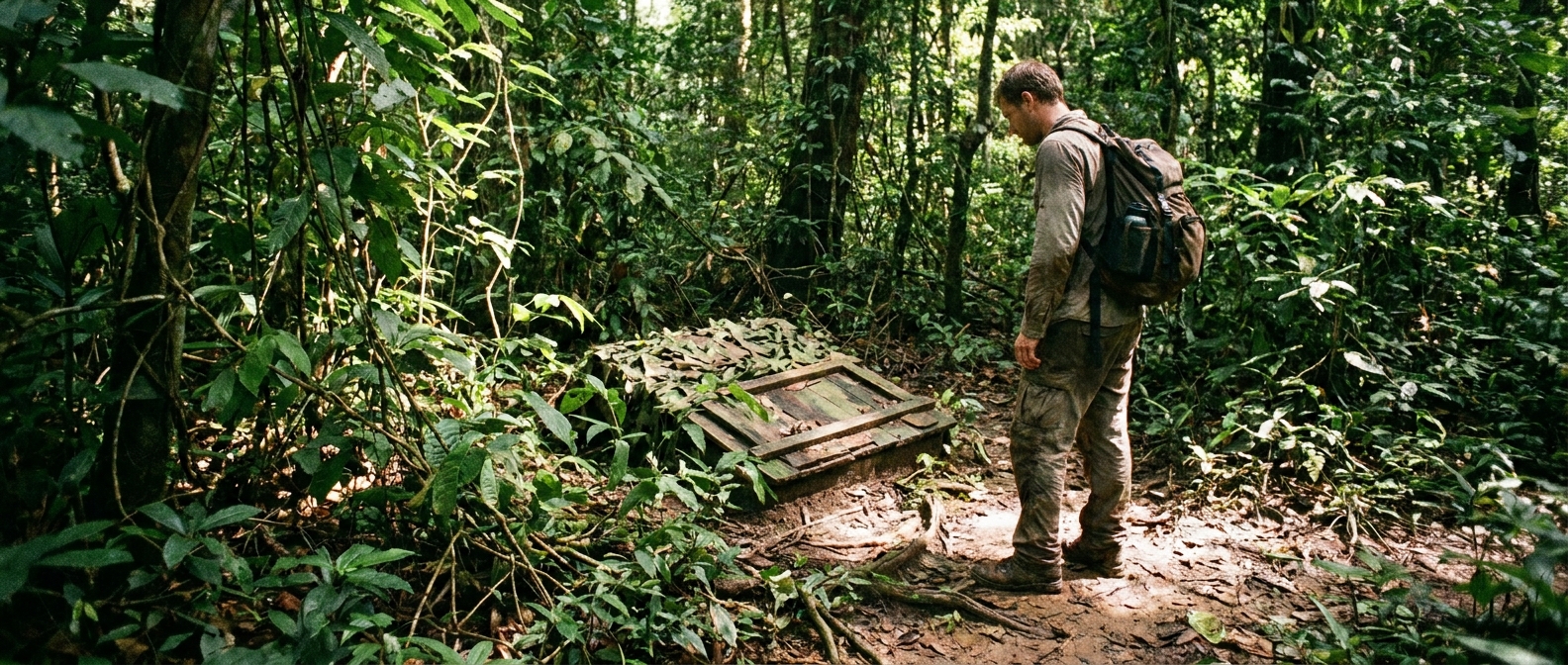
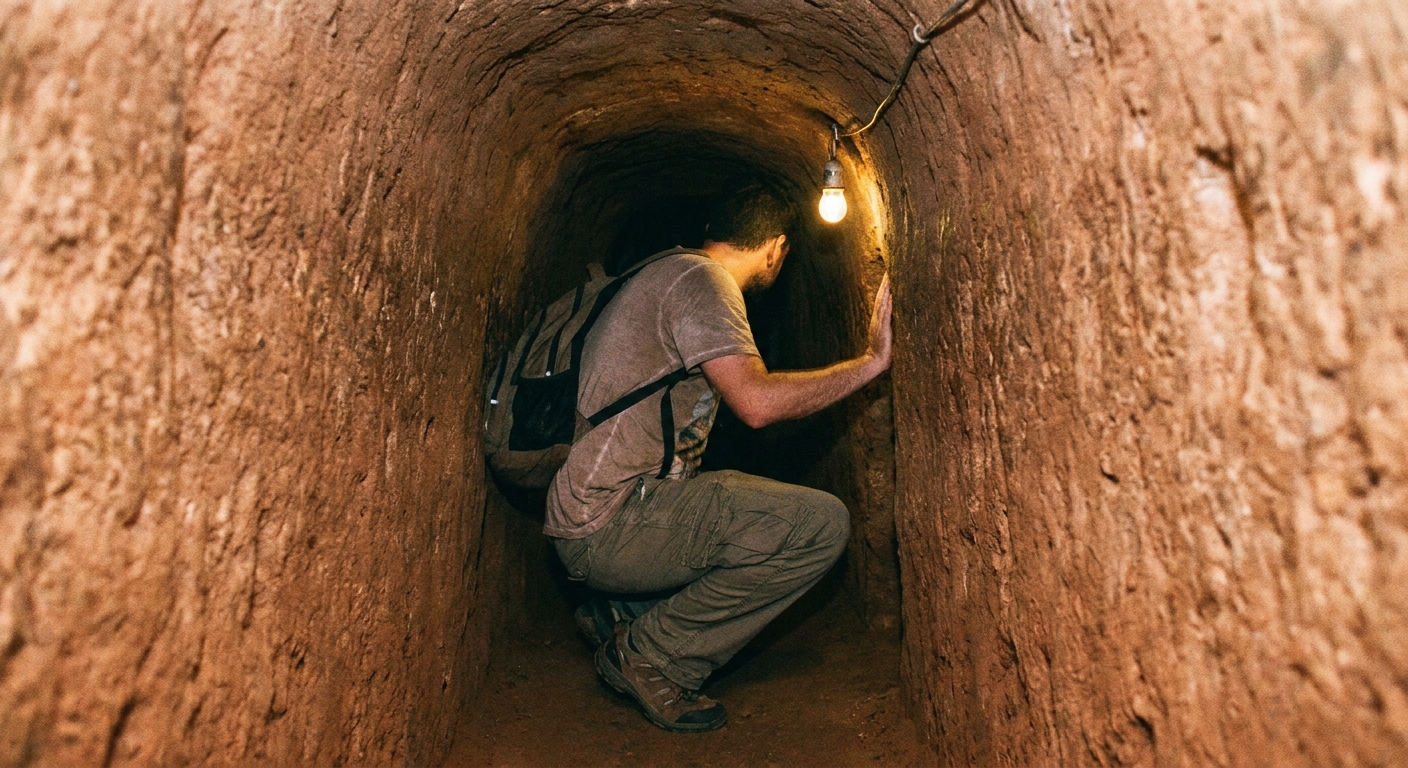
Once you arrive at Ben Duoc, the scale of the landscape is striking. Because there are fewer visitors, you can actually hear the jungle. You will walk through the rubber tree plantations, looking for the telltale mounds of earth that disguised the ventilation shafts for the tunnels below. When you reach the entrance to the underground network, you are faced with a reality check. These tunnels were not built for tourism. They were built for survival by people who were, on average, much smaller than the international travelers clambering to get inside today. Even though the Ben Duoc tunnels have seen some light maintenance, the claustrophobia is immediate. It is dark, humid, and the air stays thin. If you suffer from even a mild fear of tight spaces, walk past the first entrance and save your energy for the memorial temple nearby. It is a sobering, beautiful piece of architecture that offers a much-needed perspective on the human cost of the conflict.
There are a few things to keep in mind when planning your own logistics to ensure the day flows well:
- Book your speedboat departure for early morning to beat the humidity and the afternoon bus arrivals.
- Wear sturdy footwear, as the paths around Ben Duoc are uneven and can be muddy if it has recently rained.
- Bring a bottle of water and a small towel, as the heat underground is intense even for those who are used to the tropics.
- Pack a lightweight change of clothes, as you will likely be covered in red clay dust by the time you emerge from the tunnels.
When you finish exploring the site, the return trip by boat is the perfect tonic. Sitting on the deck with the wind rushing past, you can reflect on the contrast between the life-and-death struggle that once defined these tunnels and the vibrant, chaotic pulse of modern Saigon waiting at the end of the river. There is something deeply satisfying about returning to the city by water, watching the glass towers of District 1 re-emerge from the greenery as the sun begins to soften. You skipped the loudspeaker announcements and the crowded gift shops, finding a slice of history that wasn’t filtered through the lens of mass tourism. By the time you step back onto the pier, you feel less like a traveler who simply checked a box and more like someone who actually spent a morning peering into the quiet, resilient soul of the region.