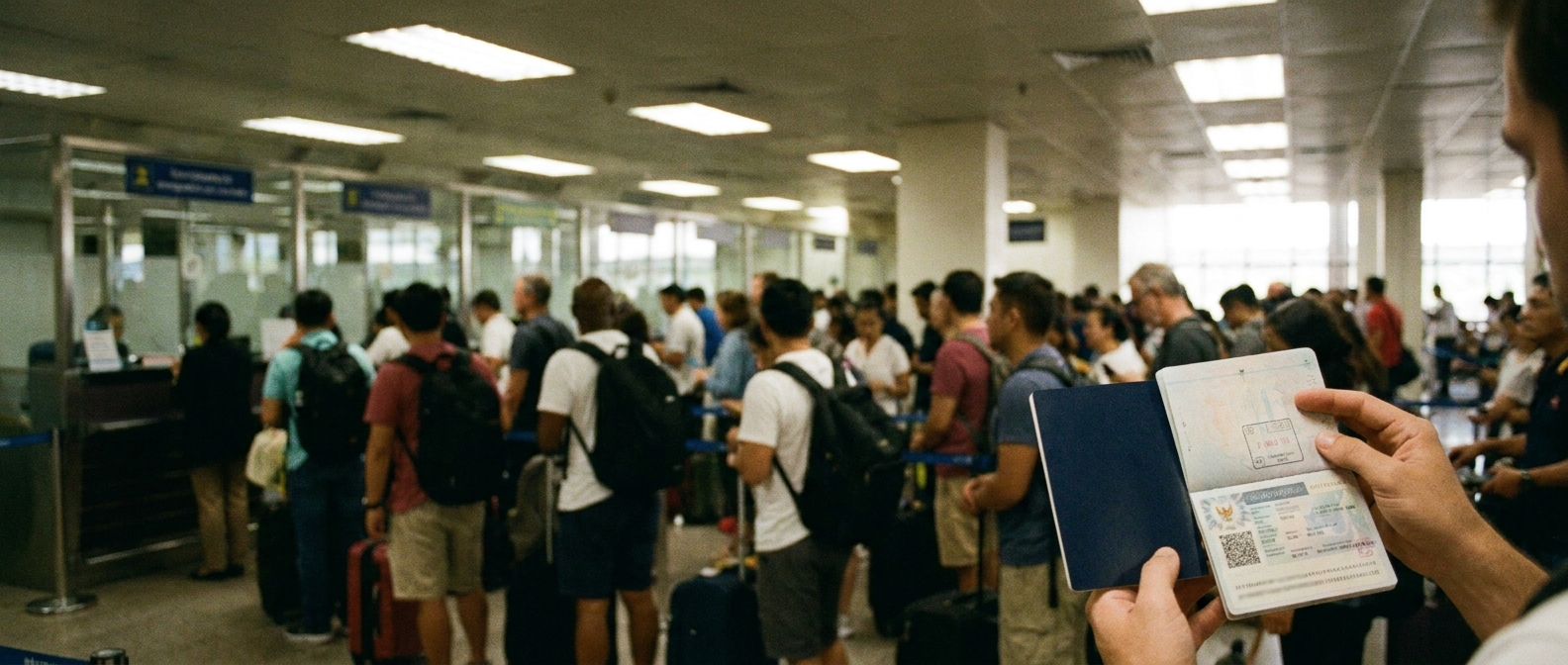
The blinking cursor on the Vietnam e-visa portal can feel like a countdown timer when your flight is less than a week away. Most travelers start their planning with high hopes of a standard three-day processing window, only to find themselves refreshing their inbox at 3:00 AM on the eve of their departure. If you find yourself in this position, it helps to understand that the Vietnamese immigration system operates on a logic that is strictly procedural and rarely susceptible to pleading.
When you look at the options to expedite a Vietnam visa, you are essentially paying for a priority queue rather than a guarantee of speed. The standard processing time typically hovers between three and five business days, assuming all your uploaded documents are flawless. If you submit your application on a Friday afternoon, you are effectively off the clock until Monday morning, as immigration offices do not process requests over the weekend. Understanding this rhythm is the most practical way to manage your expectations before you pay extra fees.
Decoding the tiers of processing speed
Urgent processing is the middle ground, often marketed to get your approval back within 24 to 48 business hours. This is usually worth the extra cost if you are sitting at the 72-hour mark before your flight and your portal still shows “Processing.” However, it is not magic. If there is a discrepancy in your passport photo or a missing digit in your entry date, no amount of money will bypass the fact that an immigration officer has to flag the error and wait for you to correct it. When you pay for urgency, you are buying a bump in the queue, but your application still requires the same human verification as everyone else’s.
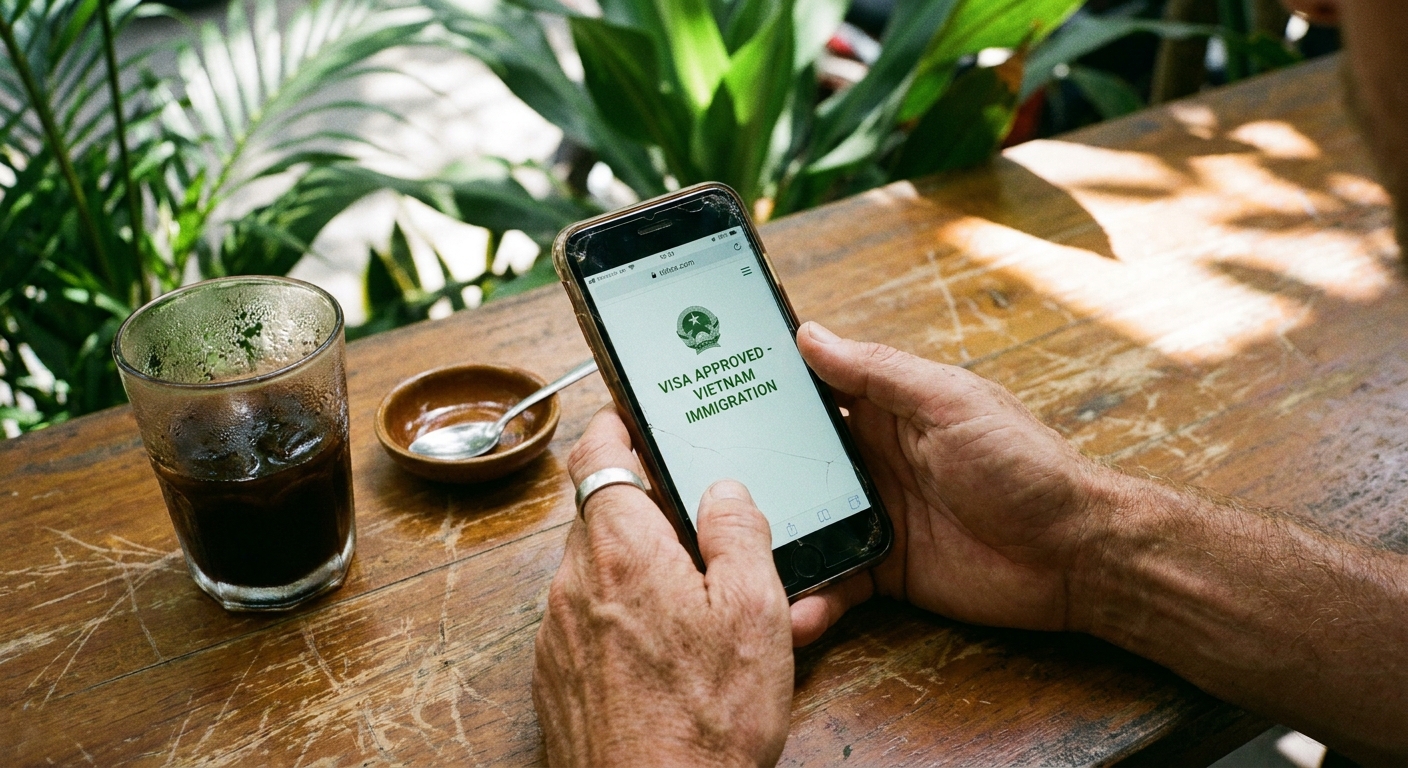
The same-day tier is the final option, and it is frequently misunderstood. People often assume that paying for this service means the visa will appear in their inbox within a few hours of hitting the submit button. In reality, it means your application is prioritized for the next available batch of processing during business hours. If you submit at 10:00 AM, you might have it by the end of the day. If you submit at 8:00 PM, you have essentially paid for your file to be the very first one opened the following morning. It is a vital tool for those with last-minute travel changes, but it demands that you have your paperwork perfect on the first attempt.
There are specific moments when even the most expensive expedite service will fail you. If you have a history of overstaying a previous visa in Vietnam, or if your passport information triggers an automated secondary check, your application will be held in a “Pending Further Review” status. This status is the black hole of the visa system. No expedited fee can override an internal security check or a database flag. In these instances, the process simply takes as long as the authorities require to verify your identity. If you are prone to these kinds of administrative snags, the most reliable way to check your vietnam visa status is to avoid any last-minute applications entirely.
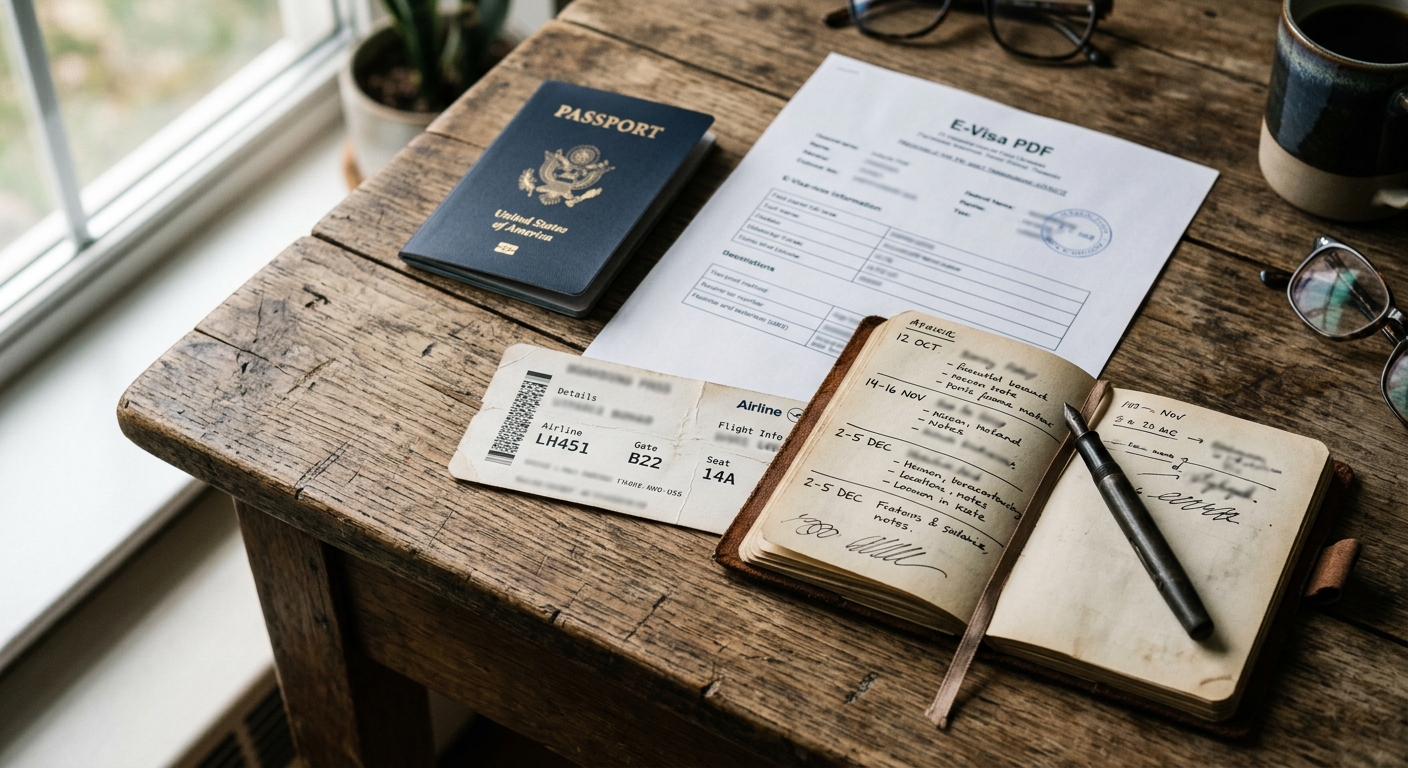
Before you commit to a higher tier of service, run a quick mental checklist of your requirements:
- Check your passport validity: It must have at least six months remaining from your planned exit date.
- Ensure your digital photo is recent and follows the strict white-background guidelines.
- Verify that your entry point matches your visa application exactly, as a change here is a common cause for rejection.
- Double-check that your passport number matches your visa approval letter character for character.
Paying for the fastest tier makes the most sense if your flight is imminent and you have zero errors in your documentation. If your paperwork is potentially messy—say, you have a common name that might clash with someone else in the immigration database—the expedited service might still hit a wall. In those cases, the extra money is largely wasted because the delay is structural, not procedural. You end up waiting for a human to manually clear the confusion, which is a slow process that refuses to be rushed by external payments.
Ultimately, the most expensive expedited service is a safety net for the organized, not a cure for the unprepared. If you find that your visa has not arrived, do not panic and submit a second, duplicate application. This is the fastest way to get your file permanently stuck. It is far better to monitor your existing application through the official portal and wait for the status update to change. Travel to Vietnam is incredible, but the entry process is one area where patience is, quite literally, the most practical asset you can bring with you.