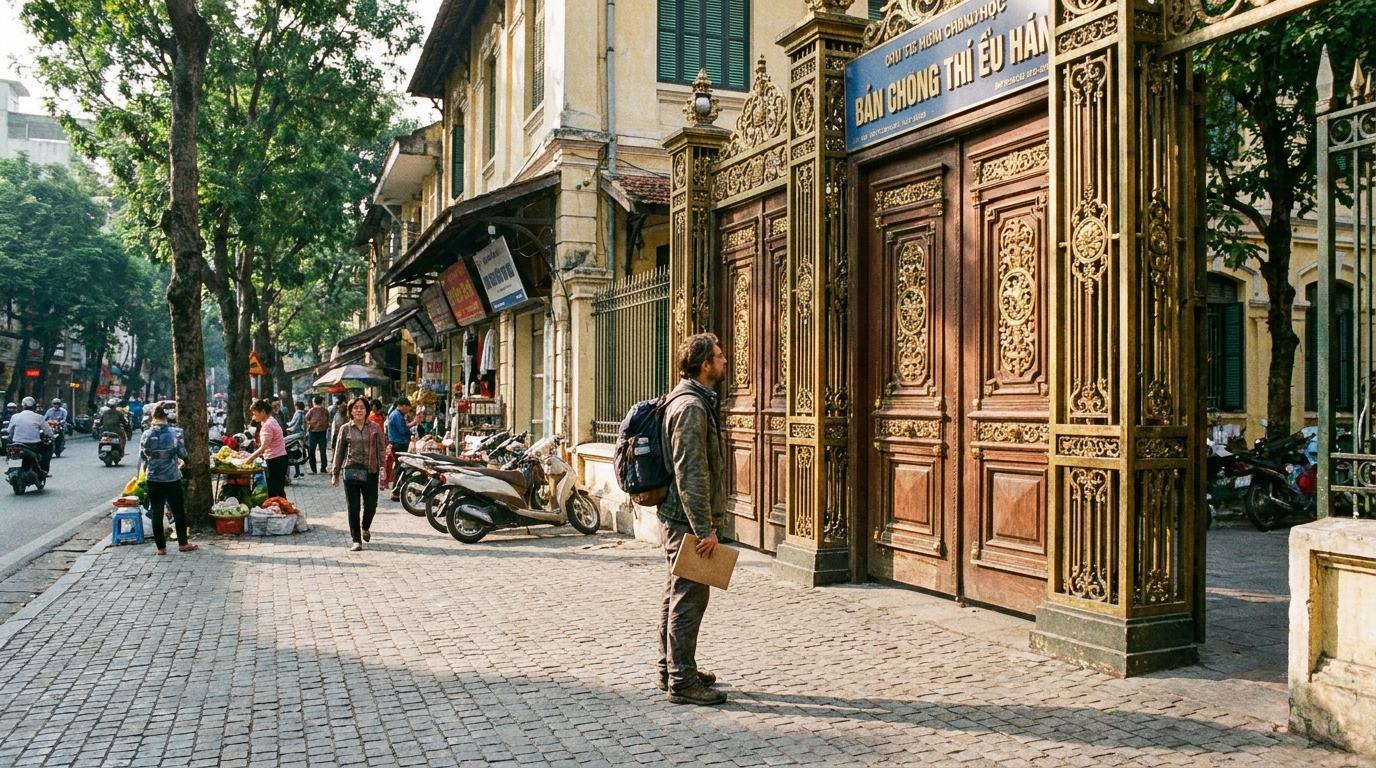
The blue glow of a laptop screen is the familiar companion of most travelers heading to Vietnam, but for a specific group of visitors, the digital portal isn’t the final destination. While the e-visa system has streamlined entry for millions, there remains a sturdy, analog backbone to Vietnamese immigration: the classic sticker. Relying on a Vietnam paper visa is rarely a choice based on aesthetic preference. It is usually a requirement born of necessity, often for those holding specific passport types, those traveling on non-standard itineraries, or travelers whose previous digital applications hit an immovable wall.
Walking into a Vietnamese embassy or consulate feels like stepping back into a quieter era of international bureaucracy. You are rarely met with the instant feedback loops of a web interface. Instead, you are dealing with physical files, ink stamps, and the deliberate pace of diplomatic administrative work. The environment is orderly, often quiet, and punctuated by the sound of heavy metal stamps hitting paper—the definitive sound of official authorization. If you are applying for a visa this way, patience is your primary travel document.
The Reality of Traditional Embassy Processing
When you initiate an embassy visa application, you are removing yourself from the automated queue that processes the vast majority of tourists. The embassy must verify your identity, check your documentation, and manually sign off on your entry. This process is inherently more labor-intensive, which translates to a longer timeline. While e-visas often return a result within a few business days, the paper route can stretch from one to two weeks, depending on the current backlog at the specific consulate you choose. Geography matters here; an embassy in a regional hub with lower traffic might process your paperwork faster than a high-volume consulate in a major capital city.
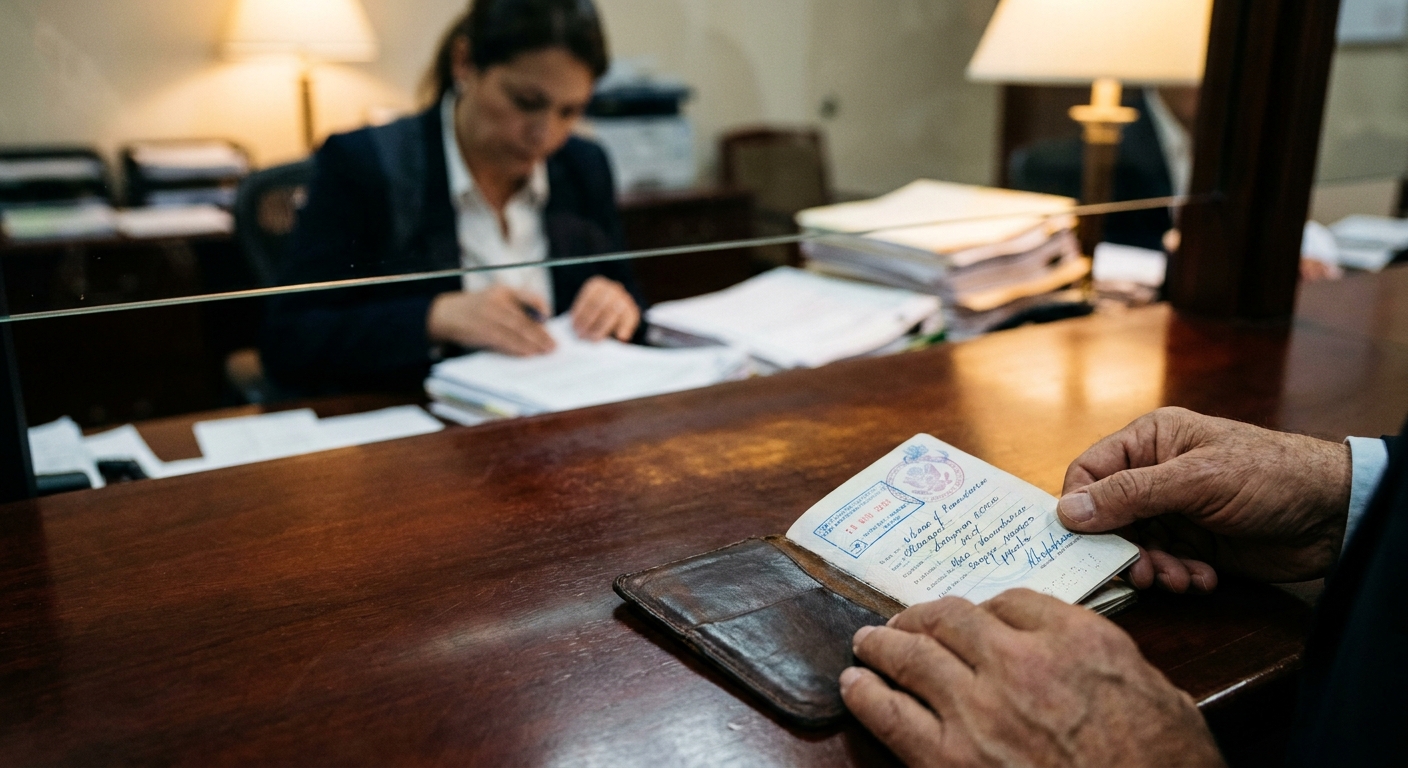
Many travelers find the logistical dance of the paper visa to be the most taxing part of the journey. You aren’t just uploading a JPEG; you are physically relinquishing your passport. For someone used to the immediacy of modern travel, the feeling of sending your primary proof of identity off into the postal ether can be unnerving. Because of this, it is standard practice to prioritize reliability over speed when selecting a courier service. Opting for a tracked, insured, and signature-required delivery method isn’t just about speed—it is about maintaining a chain of custody for the most important document in your bag.
If you find yourself in the position of needing a traditional visa, your preparation should look slightly different than that of the e-visa crowd. You will need to gather hard copies of your photographs, typically in the 4×6 cm format, along with your original passport and the completed application forms provided by your specific embassy. Unlike digital uploads where a slight blur might lead to a request for a new file, the paper process requires physical accuracy. A mistake on a form at the embassy level can lead to a rejection that is much harder to rectify than a simple re-submission online.
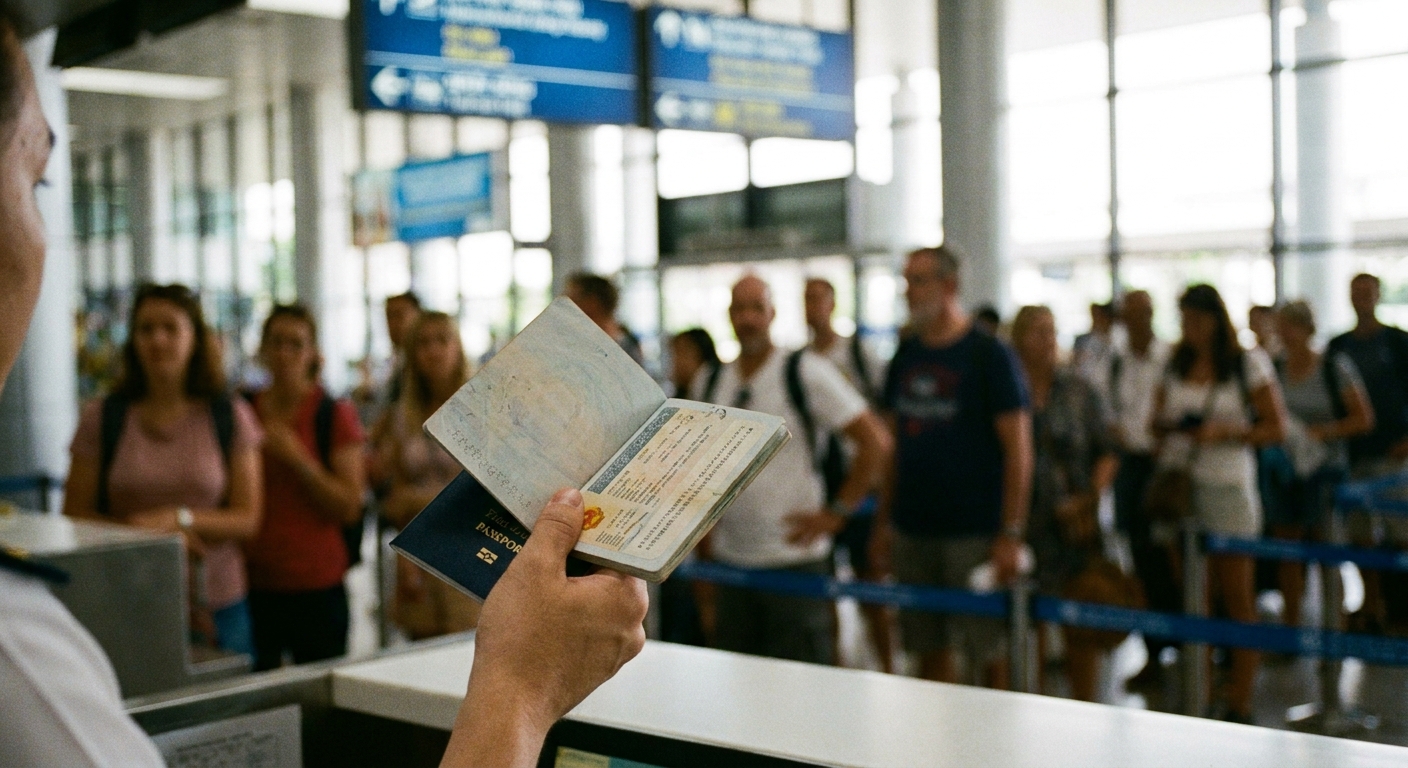
Consider these essential steps when preparing your physical package for submission:
- Double-check the specific consulate’s current working hours, as some embassies maintain limited windows for visa intake.
- Include a self-addressed, pre-paid envelope with a tracking number so the embassy can return your passport directly to you.
- Keep a high-quality photocopy of your passport’s data page and the visa application form before dropping it in the mail.
- Confirm whether the embassy accepts payment via money order, cashier’s check, or bank transfer, as personal checks are rarely accommodated.
Once your documents are in the system, there is very little to do but wait. Unlike checking the status of an electronic application where you can refresh a page to see if your status has shifted from “processing” to “granted,” the embassy route is a black box. You provide your information, you pay the fees, and you wait for the courier to arrive at your door. It is a reminder that travel has always involved a degree of surrender to processes beyond our immediate control.
While the digital shift has made Vietnam more accessible than ever, the embassy remains the safety net for those who need it. It is a deliberate, reliable, and slightly formal process that ensures that even if the internet fails or an application doesn’t fit the digital mold, there is still a pathway to the country. Whether you are holding a stamp in your passport or a printed digital approval, the goal remains the same: clearing the desk and moving on to the actual journey.