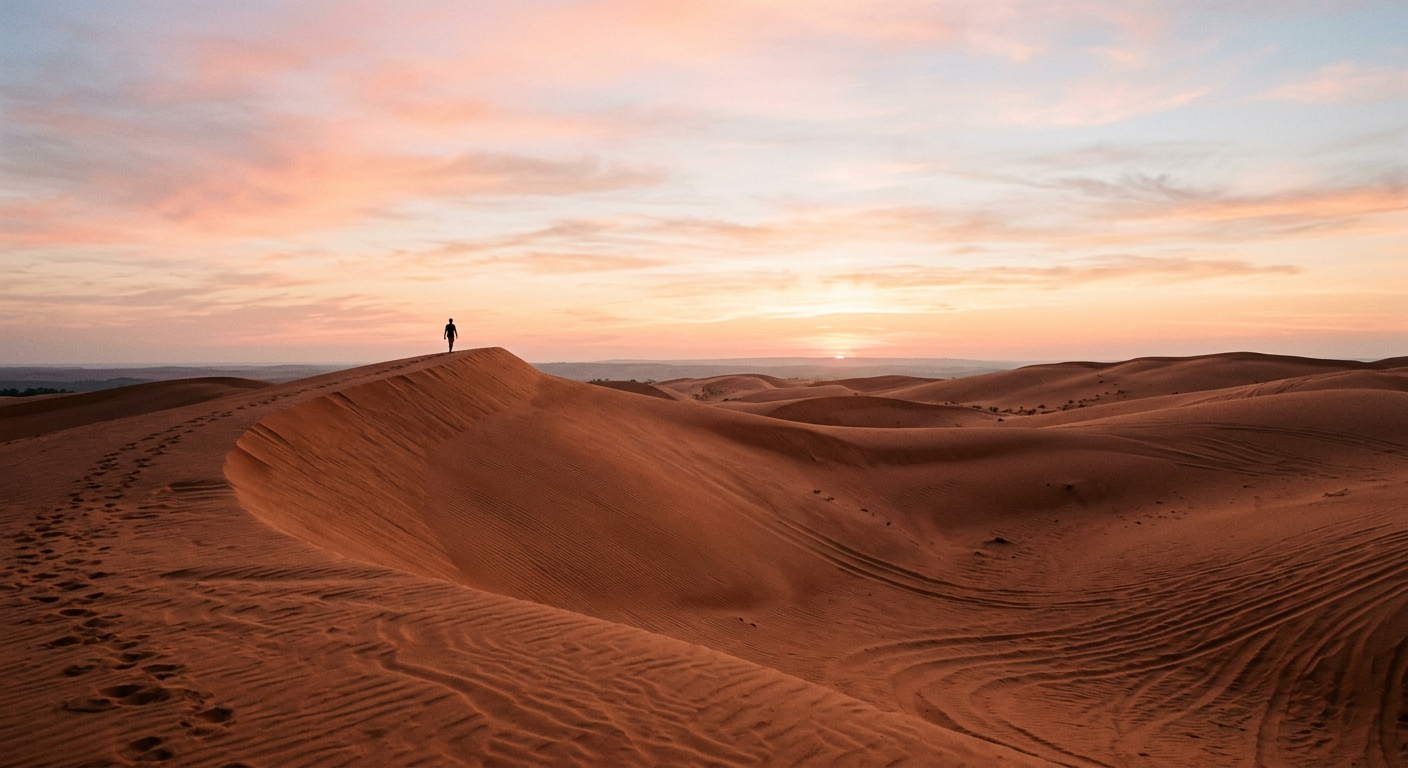
The sand at Mui Ne does not just sit there; it breathes with the shifting coastal winds. When you first step onto the slopes, the grains are cool and coarse beneath your sandals, a tactile reminder that you are standing in a slice of the Sahara dropped into the tropical humidity of Southeast Asia. Most travelers arrive in this coastal hub with a specific itinerary in mind, usually organized through a Vietnam sand dune jeep tour, but there is a distinct art to choosing your timing. The Red Dunes and the White Dunes offer two entirely different atmospheric experiences, and deciding whether to chase the sun as it rises or as it dips below the horizon dictates not just your photography, but the entire mood of your day.
Chasing Light Across the Red and White Saharas
The Red Dunes, known locally as Doi Cat Do, feel intimate. Because they are situated closer to the main strip of Mui Ne, they are the natural choice for a sunrise mission. At first light, the iron-rich sand takes on a deep, burnt-orange hue that looks almost otherworldly against the pale morning sky. The shadows here are long and sharp, providing a dramatic backdrop for portraits where the contrast between the dark sand and the rising sun is at its most striking. If you bring a camera, the early morning light is forgiving; you won’t have to deal with the harsh vertical glare that hits the dunes by noon. It is quiet here before the crowds arrive, just the sound of the wind whistling over the ridges and the occasional local vendor selling plastic sleds for a few thousand dong.
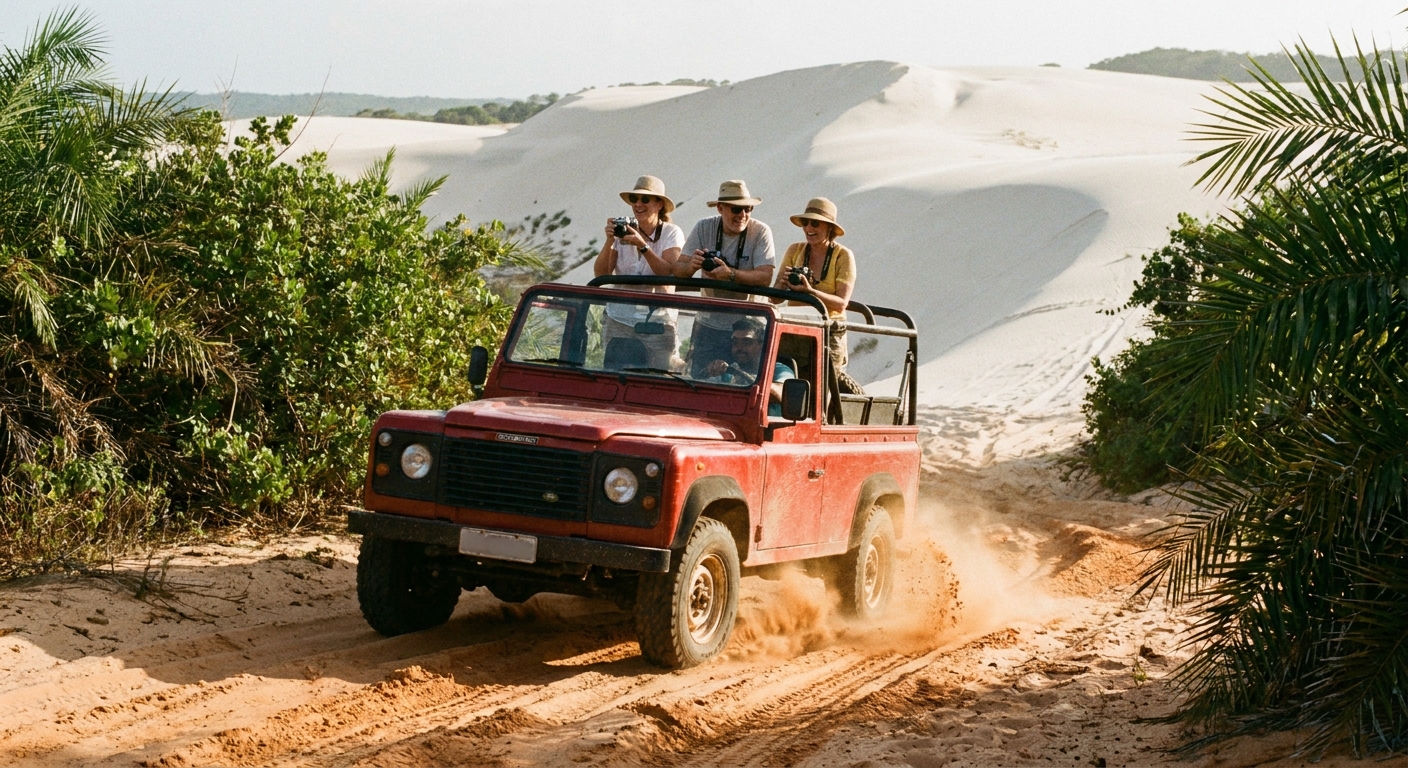
By contrast, the Mui Ne white dunes—the Bau Trang—are an epic, sprawling affair. They are significantly larger, rolling out toward a freshwater lake that seems like a mirage until you are right upon it. Sunset is the undisputed king here. As the sun begins to lose its intensity, the white sand glows with a soft, ethereal luminescence that turns the entire landscape into a pastel canvas. While the Red Dunes are best explored on foot, the scale of the white fields practically demands a bit of mechanical assistance. This is where you face the choice between the classic jeep—an open-air, rusted-out Soviet-era relic that feels like a prop from a war movie—and the high-octane roar of a quad bike. The quad bikes are faster, louder, and undeniably fun, allowing you to crest the highest peaks where the panorama of the dunes meets the distant, shimmering coastline.
Between these two distinct poles of the desert, you will inevitably find yourself looking for a breather. The route connecting the two fields is a ribbon of asphalt that cuts through scrubland and acacia trees, and it is here that you find the hidden gems of the trip. About halfway along the journey, keep an eye out for the small, shaded coconut cafes that dot the roadside. These aren’t formal establishments; they are simple bamboo structures draped in tarps where locals hang hammocks and keep coconuts chilled in large ice buckets. Stopping here is essential. Sipping on cool, sweet coconut water while watching the dusty jeeps rattle past in the distance provides a necessary pause, letting you shake the fine red grit from your hair and prepare for the next leg of the transit.
If you are planning to experience both in a single day, consider this practical breakdown of the logistics:
- Book a private sunrise jeep for the Red Dunes to ensure you are the first on the slopes before the tour groups arrive.
- Save the White Dunes for the late afternoon so you can experience the transition from golden hour to twilight without the mid-day heat.
- Pack a light windbreaker, as the temperatures drop significantly once the sun dips below the dunes.
- Carry a dry bag for your electronics; the fine, flour-like sand of the White Dunes has a habit of finding its way into every camera port and memory card slot.
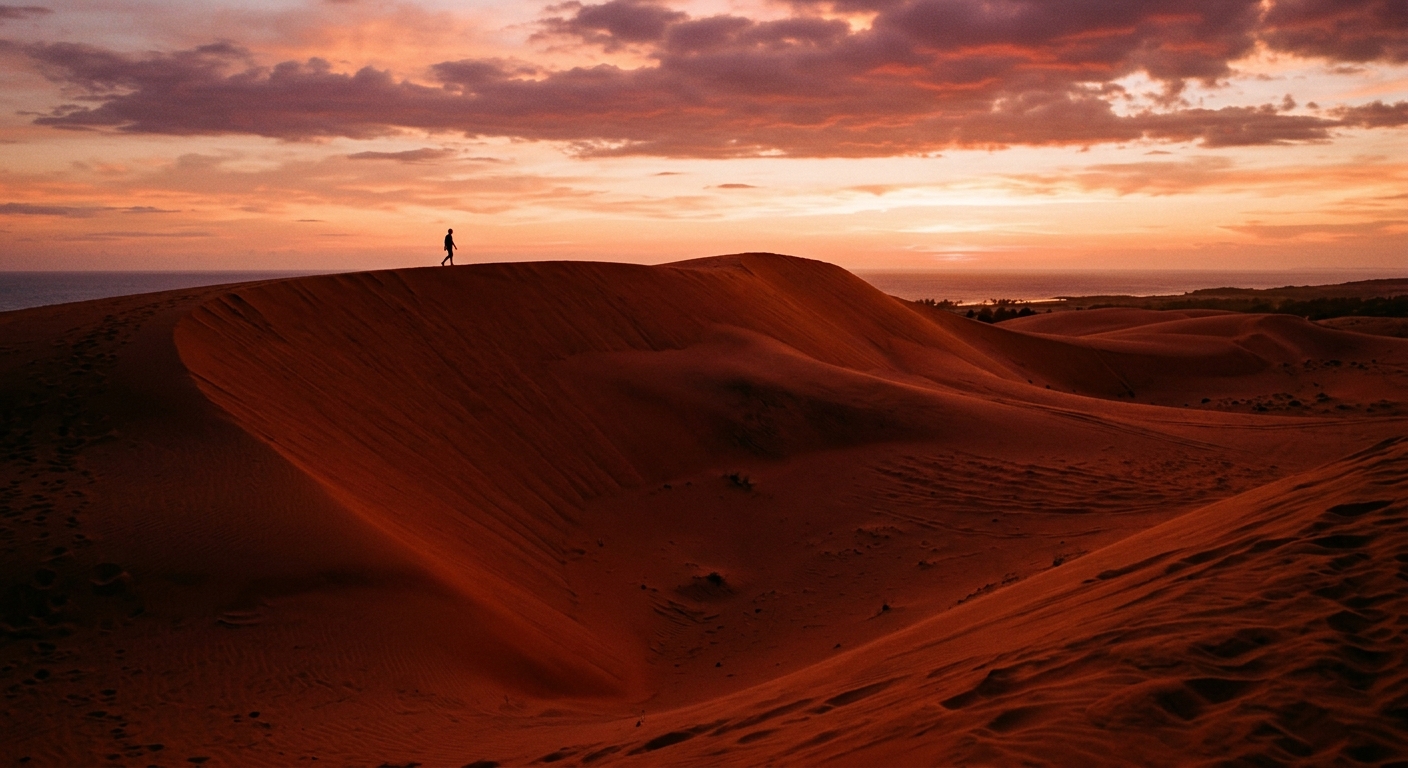
Regardless of which time of day you choose, the transition from the humid, salty air of the ocean to the dry, arid heat of the sand dunes remains the highlight of any visit to this region. There is something profoundly grounding about standing atop a shifting ridge, feeling the world move beneath your feet as the light shifts from gold to a bruised, twilight violet. You might find yourself covered in sand by the time the engine of your jeep sputters to a halt back at your hotel, but the grit is a small price to pay for the stillness of the desert at the edge of the sea. Keep your movements slow, respect the local vendors who maintain these landscapes, and try to put the camera down for at least twenty minutes to simply watch the horizon change color.