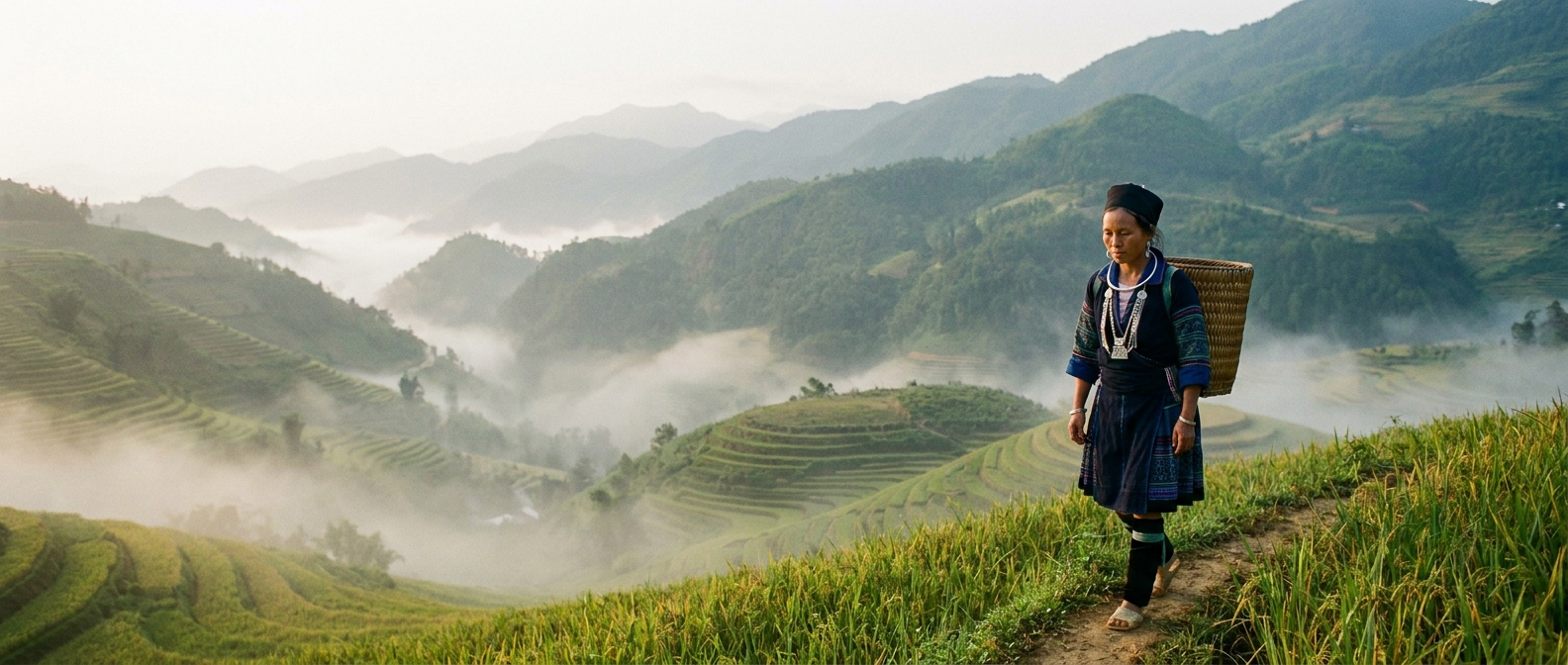
The first thing you notice when stepping onto a Hanoi Sapa sleeper bus is the smell. It is a distinct cocktail of ozone, diesel, and the faint, sweet scent of air freshener that somehow never quite masks the humidity of a dozen travelers squeezed into a metal tube. There is no aisle in the traditional sense; there are two rows of stacked plastic pods that resemble something between a futuristic space colony and a repurposed coffin. Before you can even locate your assigned seat, the driver’s assistant will demand your footwear. The shoes-off rule is absolute, enforced with a firm gesture toward a plastic bag handed to you at the door. You are now expected to navigate the remainder of the journey in your socks, a prospect that feels both strangely intimate and entirely practical given the pristine condition of the bus floor.
Getting settled requires a level of gymnastics that most people aren’t prepared for after a long day of navigating Hanoi’s Old Quarter. The seats do not recline in the way a Western airline chair does; they are molded into a semi-permanent, slightly reclined position. If you are taller than six feet, you will learn to appreciate the curvature of the human spine, as you tuck your knees against the back of the seat in front of you. Once you manage to wedge your backpack into the footwell and click the buckle, you realize the bus is less of a vehicle and more of a shared, vibrating dormitory. You aren’t just traveling; you are becoming part of a rolling collective.
The Rhythms of the Night Journey
As the engine roars to life, the experience shifts from logistical to sensory. Vietnamese pop ballads—often the same three melancholy tracks on a loop—tend to provide the soundtrack for the first hour. The volume is usually set to a level that discourages conversation but encourages staring blankly into the neon-lit blur of the Hanoi outskirts. The bus will lurch through traffic, weaving between motorbikes with an aggressive confidence that makes your knuckles turn white. Then, the highway opens up. The swaying motion begins, a rhythmic rocking that lulls many passengers into a fitful, adrenaline-fueled sleep. It is not the deep, luxurious slumber of a hotel bed, but rather a state of suspended animation.
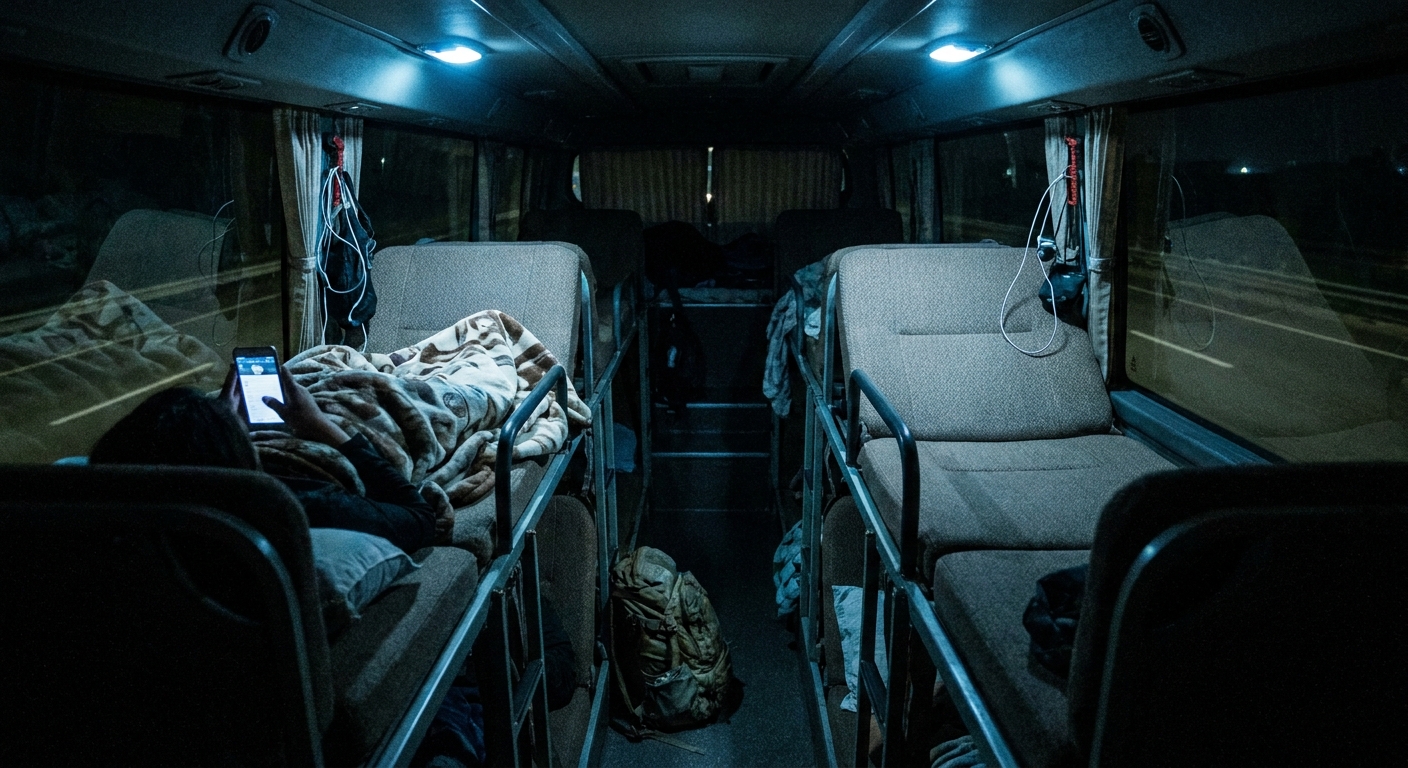
Somewhere around midnight, the bus pulls into a nondescript rest stop. The lights flicker on, blindingly bright, and the driver announces a twenty-minute break. This is your chance to stretch, grab a lukewarm coffee, or visit the facilities, which are usually simple affairs located behind a row of snack stalls. These stops are a strange ritual: everyone stumbles out, dazed and blinking in the halogen glare, buying bags of dried mango or salted plums before shuffling back onto the bus. It is a moment of communal vulnerability, where the language barrier disappears and everyone is united by the common goal of reaching the northern highlands.
The journey to Sapa is not a smooth, paved cruise. As the bus begins the ascent into the Hoang Lien Son Mountains, the road narrows and the hairpin turns become more frequent. You can feel the bus straining against the incline. If you have chosen a bottom pod, you are subjected to the sensation of being tossed gently from side to side like a ship on a choppy sea. Outside, the world goes pitch black, save for the occasional beam of a headlight carving through the fog. It is during these hours that the reality of the Vietnam overnight bus experience sets in: it is loud, it is bumpy, and it is entirely necessary for anyone looking to reach the misty peaks by morning.
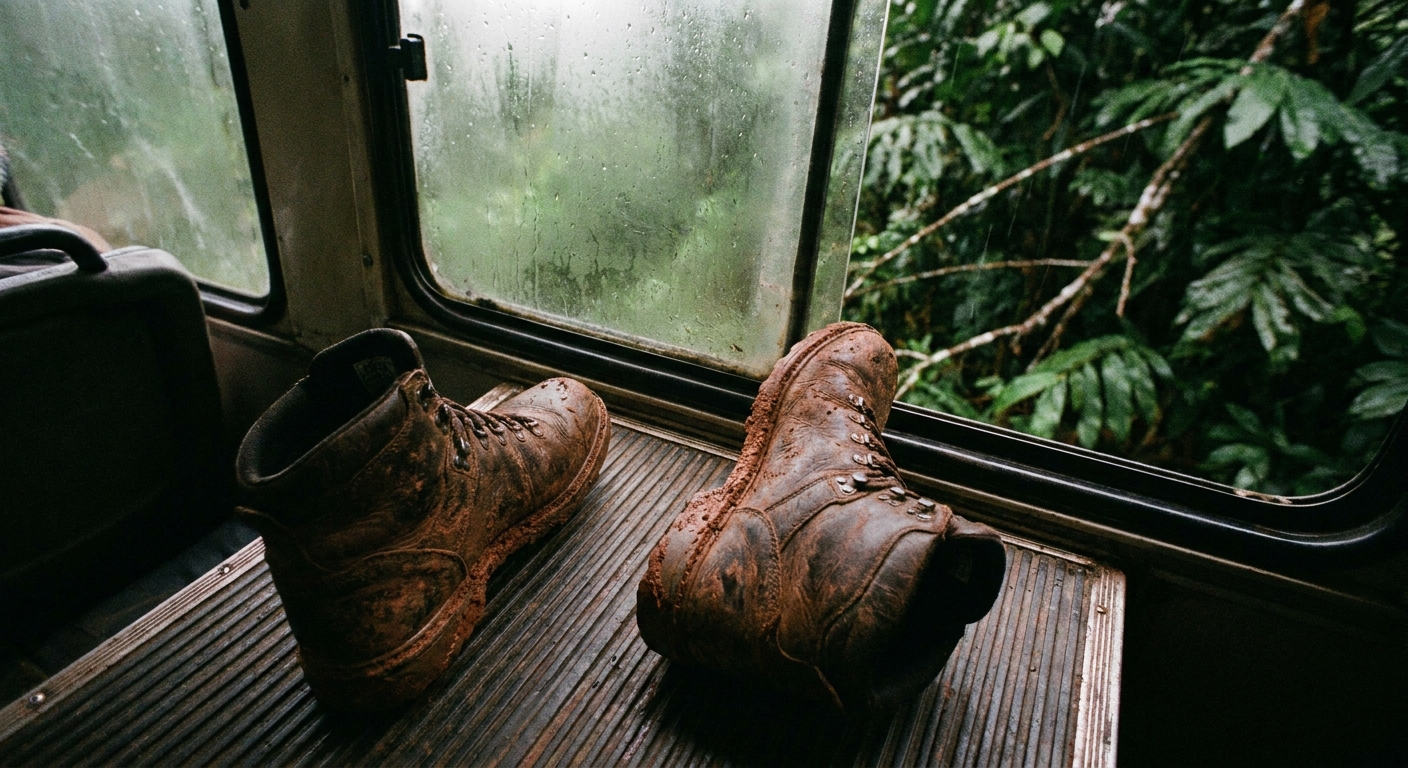
Arriving in Sapa at 4:00 or 5:00 AM is a jarring affair. The bus engine cuts out, silence suddenly fills the cabin, and the driver’s assistant begins a rhythmic rapping on the pods to wake the occupants. You stumble out into the pre-dawn chill, the mountain air hitting you with a crispness that feels like a shock to the system. The town is still asleep, wrapped in a thick blanket of clouds that hides the terraced rice fields from view. You stand on the sidewalk, clutching your shoes, watching the red taillights of the bus disappear into the mist. Your legs are stiff, your hair is static-charged, and you likely haven’t had a proper night of rest in hours. Yet, as the first light of day begins to outline the jagged silhouette of the mountains, you realize that the discomfort was just the admission fee for reaching a place that feels lightyears away from the bustle of the capital.