
The desk at Tan Son Nhat International Airport is a silent arena of high-stakes scrutiny. You have spent hours on a flight, navigated the humid arrival hall, and now you stand before a uniformed officer holding your passport like it is a riddle they have been tasked to solve. Travelers often fixate on their e-visa approval notice, but they frequently overlook the physical document that gives that digital paper its power. The passport itself is the silent partner in your Vietnamese adventure, and if it lacks the proper credentials, your journey can end at the immigration counter before it truly begins.
Vietnam is notoriously strict regarding the physical condition of your travel documents. The rule is simple enough to read on an official website—a minimum of six months of vietnam passport validity—but the implementation is where travelers often encounter friction. This six-month rule is not a suggestion; it is a rigid safety net used by immigration authorities to ensure that if you overstay, fall ill, or become entangled in a legal issue, your legal status as a visitor remains clear and manageable. If your passport is set to expire in five months and twenty-nine days, you will likely be denied boarding at your departure airport or turned back at the Vietnamese border. Officials do not calculate based on your planned exit date; they calculate based on the date of your intended arrival.
The Hidden Costs of Crowded Pages
While the expiration date is a common point of confusion, the blank pages requirement is frequently underestimated. Many seasoned travelers assume that as long as there is a sliver of white space left on the back cover, they are safe to enter. This is a dangerous assumption in Vietnam. Immigration officers are specifically looking for two completely blank, facing pages for the purpose of affixing the visa sticker or the entry and exit stamps that track your movement within the country. If your passport is filled with stamps from a whirlwind tour of Southeast Asia and you have only one lonely page remaining, the officer has the authority to deny your entry. They have to stamp you in, and they have to account for the possibility of a secondary visa or an extension later.
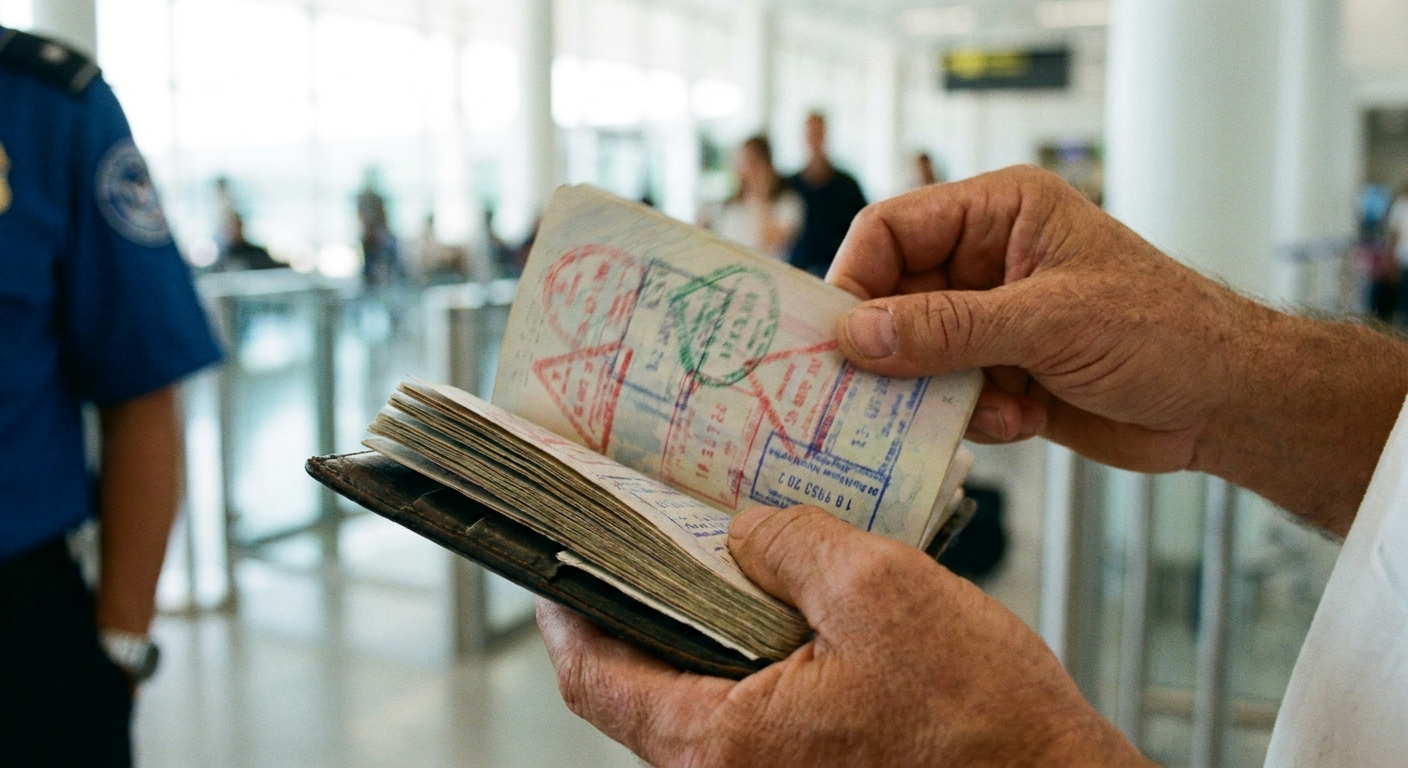
When an immigration officer flips through your passport, they aren’t just checking your identity; they are checking your track record. A passport crowded with stamps from frequent regional travel is often viewed with more scrutiny, and if those stamps have consumed all available real estate, the officer is left without a place to certify your presence legally. You might argue that you only intend to stay for a week, but the regulations are designed to prevent the risk of a document expiring or running out of room while you are inside the borders. If you are turned away because you lack those critical two pages, you are typically processed as an inadmissible passenger, which means an expensive, immediate flight back to your point of origin.
- Check for at least six months of validity beyond your intended entry date.
- Ensure there are at least two completely empty, side-by-side pages.
- Examine your passport for any physical damage, such as water stains or torn pages.
- Carry a printed copy of your e-visa approval, even if the system should technically have it on file.
Physical damage can be just as detrimental as a lack of pages. A frayed spine, a loose page, or a cover that has seen better days can lead an immigration officer to suspect that the passport has been tampered with or that it is no longer a reliable document. In the eyes of a border agent, a damaged passport is a compromised one. If you have any doubt about the integrity of your book, the time to address it is weeks before your flight, not at the immigration desk in Hanoi or Ho Chi Minh City. Renewing a passport is a tedious administrative hurdle, but it is far less disruptive than the cold reality of a denied entry stamp. The bureaucracy of travel is built on the foundation of paper, and ensuring that your paper is beyond reproach is the single most effective way to guarantee that your transition through the airport remains a formal, albeit quick, procedural matter.

Watching the officer inspect your pages is a lesson in patience. They look for the watermark, they check the integrity of the binding, and they search for that clean, empty space. When they finally find it, the heavy thud of the entry stamp signifies that the administrative tension has broken. That small square of ink is your permission to explore the bustle of the markets and the quiet of the countryside, and it exists only because you took the time to ensure the passport itself was ready for the journey.