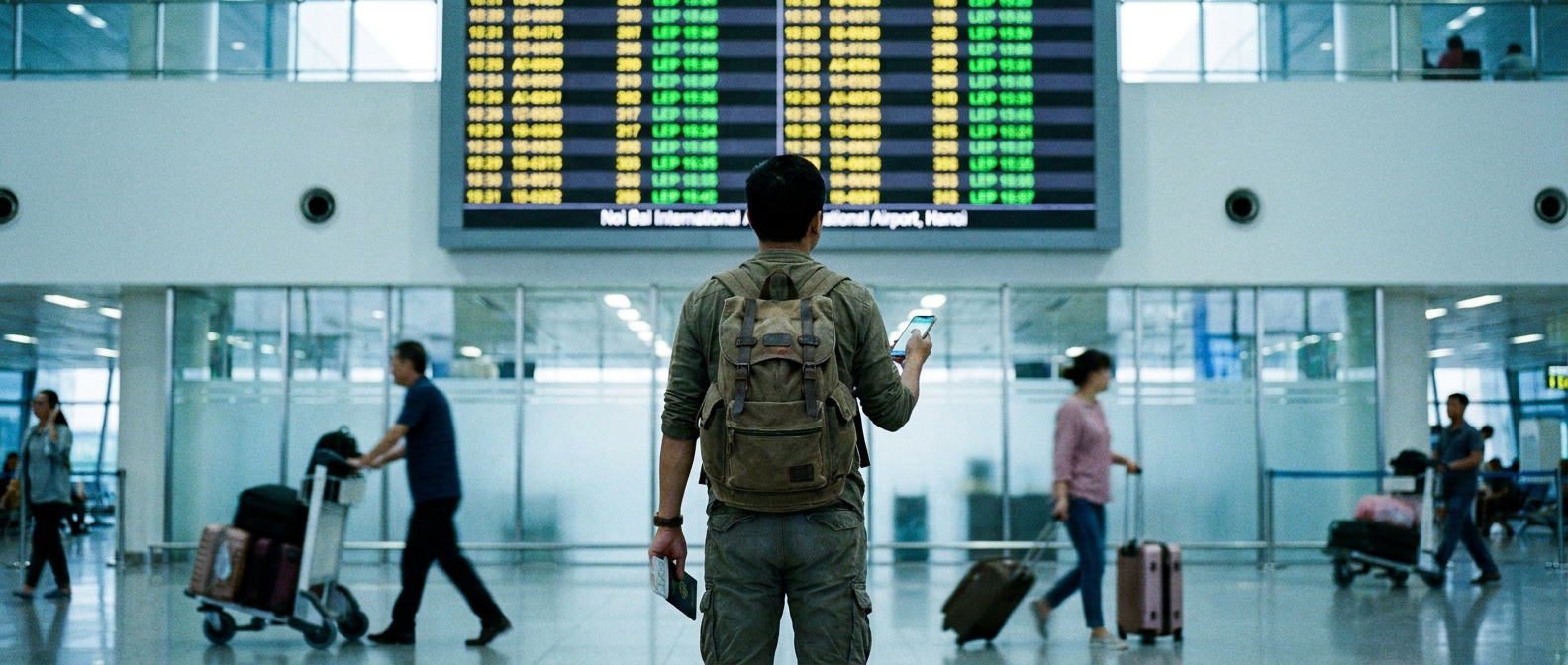
You have refreshed the browser window for the tenth time this morning. The screen still displays the same static, nondescript word: “Processing.” It is a term that feels purposefully vague, sitting there like a digital roadblock between your current living room and the bustling streets of Hanoi or the lantern-lit alleys of Hoi An. When you initially submitted your application, you probably imagined a swift, automated digital handshake. Instead, you have entered a period of administrative limbo that feels far more human—and far more unpredictable—than a line of code should.
Most travelers mistakenly believe that “Processing” means an officer is currently scrutinizing their specific passport scan or personal details. In reality, it is more of a holding pattern. The Vietnamese immigration system uses this status as a catch-all for when your file has moved past the initial digital intake and into the queue of the Department of Immigration. It is the bureaucratic equivalent of being placed on hold while the music plays; the system has accepted your data, but it has not yet reached the desk where a final decision is drafted.
Understanding the Mechanics Behind the Screen
There is a distinct difference between “Pending Review” and “Processing,” though they often blur together in the eyes of a nervous traveler. “Pending Review” usually implies that your application is in a pre-assessment phase, perhaps waiting for basic data validation or initial fee clearance. Once you shift to “Processing,” it indicates that the file is technically complete and awaiting the final human or system sign-off. It is the stage where the vast majority of applicants spend the bulk of their waiting period. If your vietnam e-visa status has been stuck here for three or four days, do not immediately assume there is a problem. The Ministry of Public Security typically operates on a timeline that prioritizes volume over individual urgency, meaning applications are often processed in batches rather than strictly by the order they were received.

The waiting period often stretches when there is a surge in tourism, or during local public holidays when government offices operate with a skeleton crew. It is also common for the system to remain stuck on “Processing” right up until the moment it flips to “Granted.” Unlike some other countries that send a flurry of status updates—”Received,” “Under Review,” “Awaiting Additional Docs”—Vietnam’s portal tends to stay radio silent until the finish line. This is why you should check vietnam e-visa status only once or twice a day at most. Constant refreshing does not nudge your file forward, but it does serve to increase your personal stress levels significantly.
If you find yourself waiting longer than the standard three-to-five working days, there are a few objective reasons why the status might linger:
- The provided photograph does not meet the strict dimensions or background requirements, forcing a manual check.
- Your passport data contains a minor discrepancy that requires a secondary verification step.
- The chosen entry port is under high demand, causing internal administrative backlogs for specific transit zones.
- You have applied during a period of high volume, such as the weeks leading up to the Tet holiday.
Beyond these technical hurdles, there is the genuine question of when to actually seek help. Most applicants reach for the support email far too early. If you are within the standard processing window, an inquiry often goes unanswered because your file is exactly where it is supposed to be: in the queue. You should only consider reaching out for support if your status remains stagnant for more than eight working days, or if you have received a specific notification requesting corrected information. If the portal displays “Denied” or “Request for Information,” that is when you must pivot from waiting to acting.
It is important to remember that the system is not designed to provide real-time feedback. It is designed to manage the flow of millions of visitors. When you check your vietnam visa status, try to treat it as an occasional update rather than a live tracking service like a courier parcel. The goal is to reach the approval page before your departure date, and as long as you have accounted for the processing time in your planning, the “Processing” label is simply the system doing its job, albeit at its own preferred pace.
There is a quiet confidence in knowing that your paperwork is lodged correctly. Once you have submitted your application, the burden of the process shifts from you to the authorities. If the details are accurate and your documents are clear, the status will eventually update. Trust that the system is functioning as intended, even if it feels like it has vanished into a digital void for a few days. Travel in Vietnam requires a certain amount of flexibility and a willingness to move at the local rhythm, and in many ways, the visa application process is simply your first introduction to that reality.