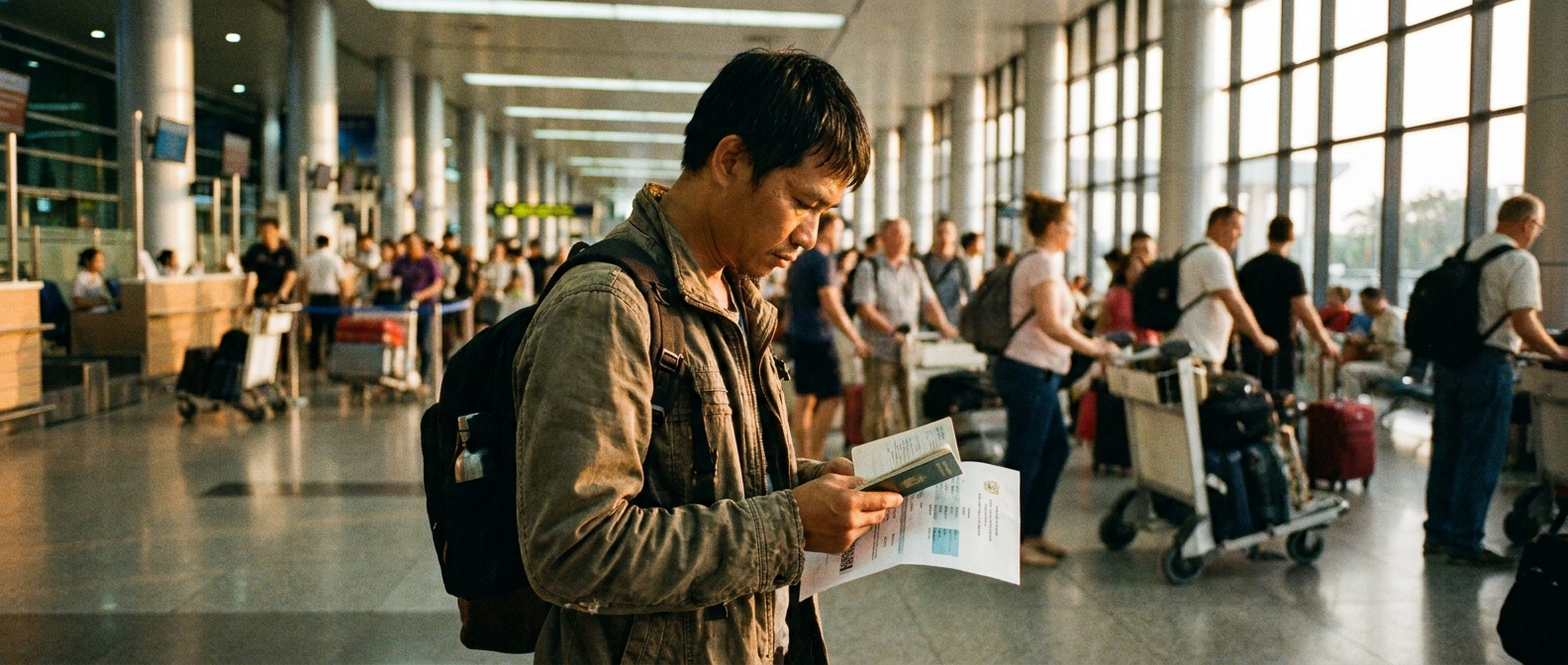
The humidity of a Hanoi street market in June is something you feel in your lungs before you ever step off the plane. Planning a trip to Vietnam requires a similar sort of foresight; you cannot simply decide to fly into Da Nang on a whim. With a two-month lead time before your departure date, you occupy the “sweet spot” of travel preparation. It is far enough away to avoid the frantic last-minute rush, yet close enough that the visa process should be top of mind. Many travelers mistakenly believe that applying for a visa two months in advance is too early, but in the realm of international travel, waiting until two weeks out is inviting unnecessary stress.
When to apply for a Vietnam visa is a question that hinges on the official processing window, which generally spans three to five business days. However, public holidays in Vietnam can extend this duration significantly, and unforeseen technical glitches on the immigration portal are not unheard of. By aiming to submit your application about six weeks before your flight, you create a safety buffer. This timeline allows for the potential of a rejected photo, a typo in your passport number, or an administrative error that necessitates a second submission. If you apply six weeks out, you have roughly forty days to rectify any issues before your departure, which is a luxury that those who wait until the final fortnight simply do not possess.
Managing the Waiting Game and Schedule Shifts
If you find that your itinerary changes—perhaps you decide to extend your stay in Hoi An or shift your entry point from Ho Chi Minh City to Hanoi—the timing of your visa application becomes slightly more nuanced. Most electronic visas are issued for a specific arrival date, and while you can generally enter the country after that date, you cannot enter before it. If your plans are still volatile, sticking to a later submission date is tempting, but it is rarely the wisest move. If you have already received an approval, and your plans change to arrive earlier than your visa start date, you are effectively tethered to your original timeline or forced to apply for a new visa entirely. This is why pinning down your concrete entry plans at the six-week mark is so critical.

While you wait for that status update to flip to “granted,” it is tempting to refresh the immigration portal hourly. This rarely speeds up the bureaucratic machinery. Instead, use this period to prepare the documents that aren’t strictly required but make the arrival process more fluid. Because the visa timing is handled by the government, your role is to ensure your end is rock-solid. Keep a digital copy of your receipt, your application code, and your passport scan in a cloud folder that remains accessible without an internet connection. If you are worried about the status, remember that the official system allows you to check your progress using your registration code, email, and date of birth.
Should the visa not arrive within the expected window, consider the following factors before hitting the panic button:
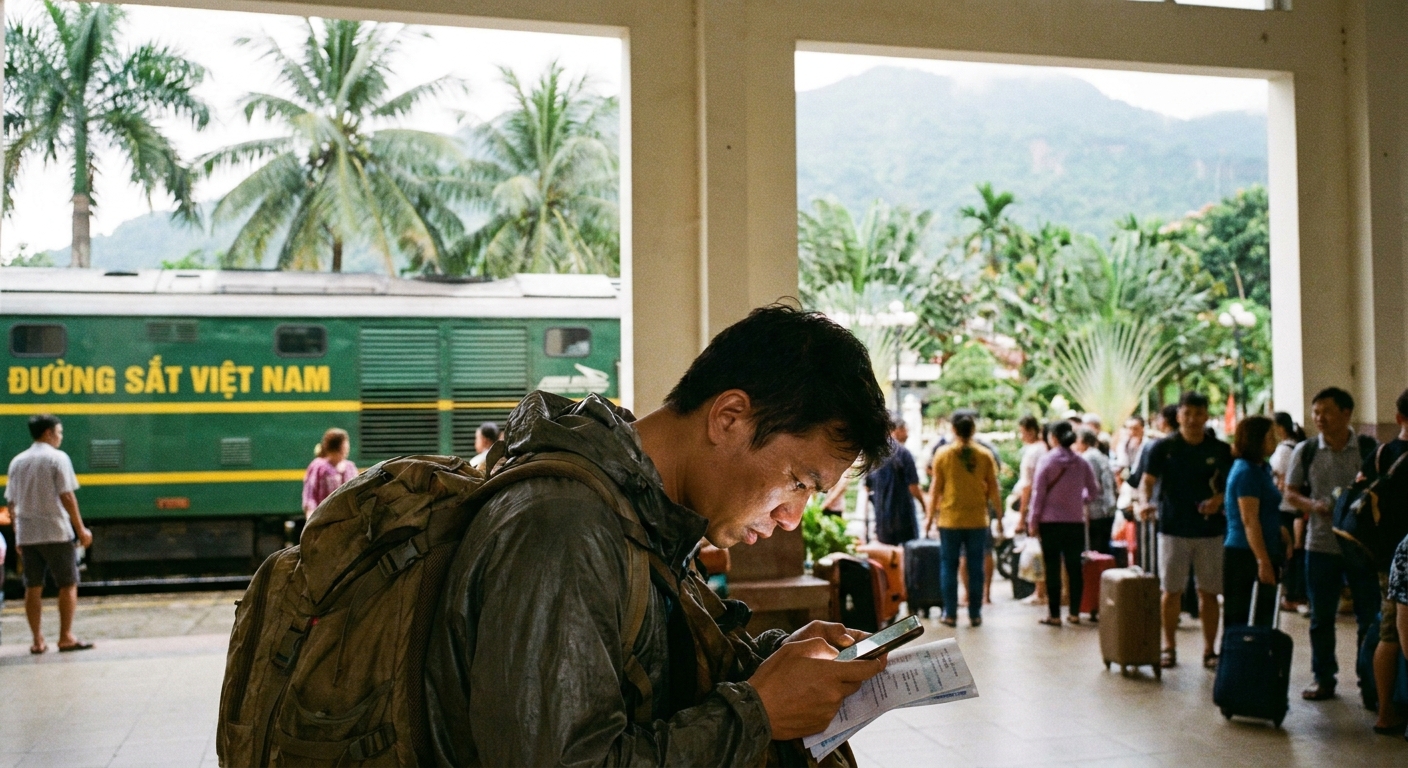
- Check your spam or junk folders, as approval notifications sometimes get flagged by aggressive email filters.
- Verify if a local holiday, like Tet or National Day, has fallen within your waiting period, as government offices typically pause operations.
- Ensure your passport has at least six months of validity remaining from the intended date of entry.
- Double-check that you entered your passport number exactly as it appears on the physical document, as even a single digit swap can delay processing.
Once you have your approval in hand, print at least two hard copies. Vietnam is a country where digital prowess is growing rapidly, but immigration officers still prefer—and often demand—a physical piece of paper to stamp. Keep one in your carry-on bag and another tucked safely inside your checked luggage, just in case a bag goes missing or a document gets wet. Watching that status turn to “granted” is the final hurdle before your trip transitions from an abstract idea on a calendar to a reality of coffee shops, ancient temples, and bustling alleyways. If you handle the timing correctly, you can spend those final weeks before departure researching which bowl of pho you want to try first, rather than worrying about whether you will be allowed through the terminal doors.