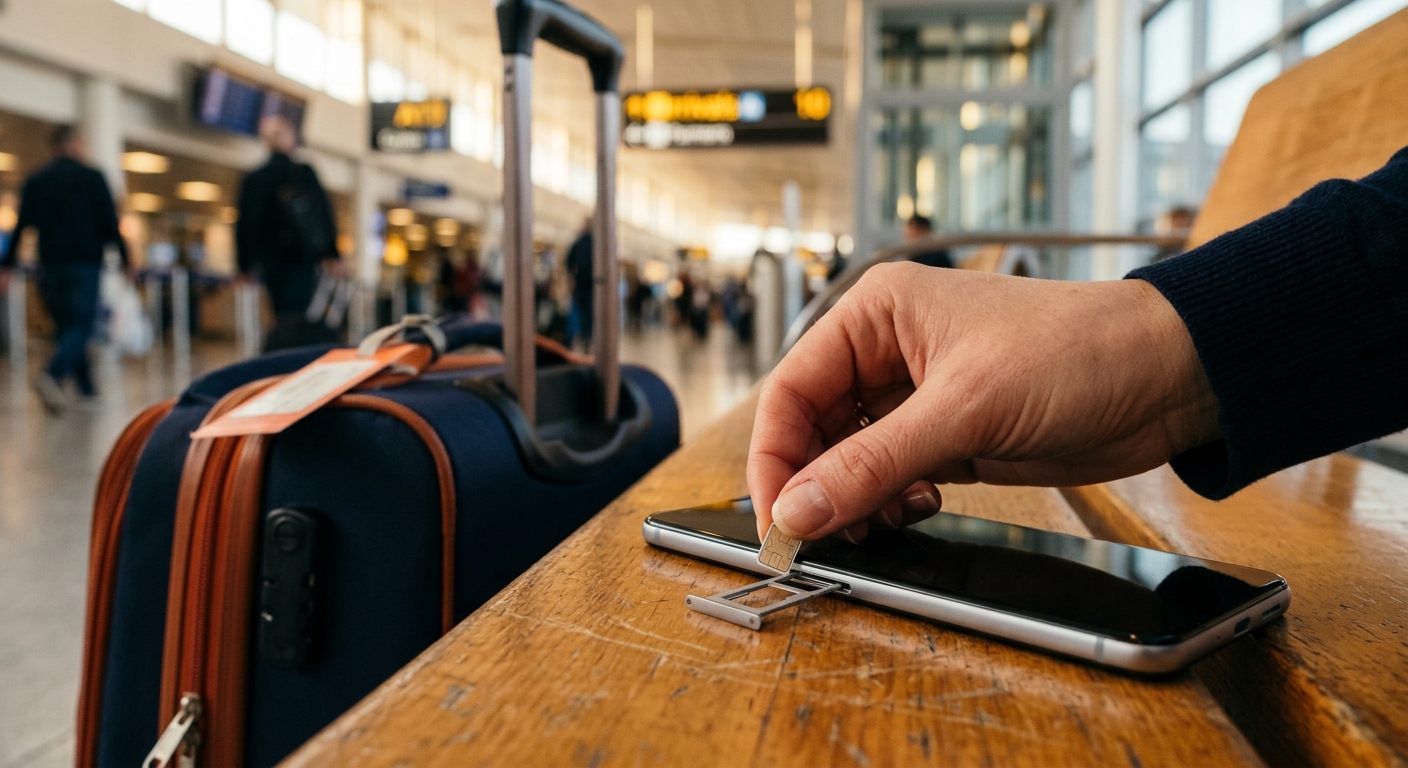
The moment you step through the arrivals hall at Noi Bai or Tan Son Nhat, you are greeted by a wall of neon-lit kiosks, each draped in the logos of Vietnam’s major telecommunications providers. Viettel, Vinaphone, and Mobifone dominate this space, competing for your attention before you’ve even reached the baggage claim. It feels like a high-stakes marketplace, but the reality is that a high-speed, 30-day data plan for a traveler rarely exceeds the price of a modest lunch. While the sheer density of vendors can be overwhelming, the competitive nature of these carriers keeps mobile data Vietnam traveler access remarkably affordable, often hovering between $10 and $15 for unlimited or high-cap packages.
Choosing Between Airport Convenience and Downtown Value
There is a persistent debate among expats and seasoned backpackers regarding the wisdom of buying your SIM card immediately upon landing. The argument for the airport is undeniable: convenience. You walk off the plane, hand over your passport, and within three minutes, your phone is live with a local number and high-speed 4G or 5G data. You can call a Grab, pull up a map to your hotel, and message your family that you have arrived safely. The markup you pay at the airport is negligible—perhaps a few dollars more than you would pay at a street-side retailer—and for most travelers, that premium is a bargain for the ability to remain connected the second you step outside.
If you prefer to go the local route, you can certainly venture into the city to find an official brand shop. These stores, scattered throughout districts like Hoan Kiem in Hanoi or District 1 in Ho Chi Minh City, offer the exact same packages without the “tourist zone” price adjustment. However, you will have to find your way there without the help of a map app, handle a potential language barrier, and wait in a queue that is often populated by locals paying their monthly utility bills. Unless you are staying in Vietnam for several months or need to set up a complex data roaming arrangement, the small savings found at a downtown kiosk are rarely worth the lost time or the frustration of being offline in a new, bustling environment.
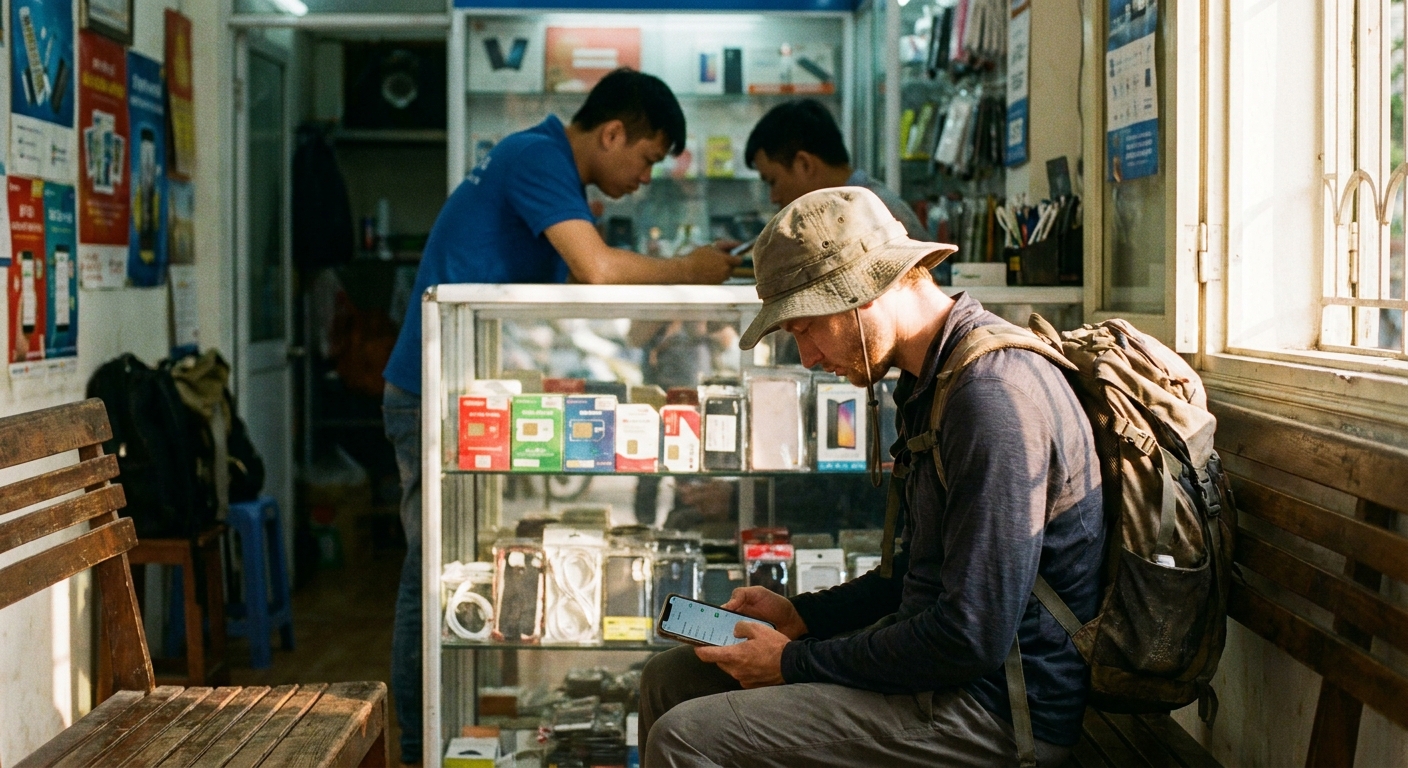
When you stand at those kiosks, you will find that the major providers are fairly evenly matched in terms of network coverage and reliability. Viettel, being state-owned, typically boasts the most robust infrastructure, meaning you will have signal even in the mountainous regions of Sapa or the remote islands of the Con Dao archipelago. Vinaphone and Mobifone are not far behind, offering excellent speeds in urban centers and along the coast. Regardless of which operator you choose, the setup remains the same: the staff will swap your existing card, test your connection, and hand you a plastic sleeve with your new local phone number. Keep this sleeve safe, as it often contains your PIN and PUK codes, along with instructions on how to check your remaining balance via shortcodes.
E-SIM technology has introduced a new layer to this decision-making process. If your phone supports an e-SIM, you can theoretically bypass the airport kiosk entirely by purchasing a digital plan before you even board your flight. These services, provided by global platforms or the Vietnamese carriers themselves, allow you to activate your connection via a QR code the moment your wheels touch the tarmac. While this removes the need to physically swap a card, it can sometimes be trickier to troubleshoot if the signal fails to initialize, as you lack the physical assistance of an on-site technician who can verify your APN settings on the spot.
It is worth noting that while data is cheap and abundant, the physical SIM remains king for one specific reason: the local phone number. Having a Vietnamese number is nearly essential for using ride-hailing apps like Grab, ordering food, or receiving confirmation calls from tour operators who may not use WhatsApp or Zalo. While data-only e-SIMs are great for browsing, they often lack a local number, which can leave you stranded when a driver needs to call you to confirm your pickup spot. Ultimately, the simplicity of a physical card purchased upon arrival, coupled with the ubiquity of 4G coverage across the country, remains the standard for the vast majority of visitors.