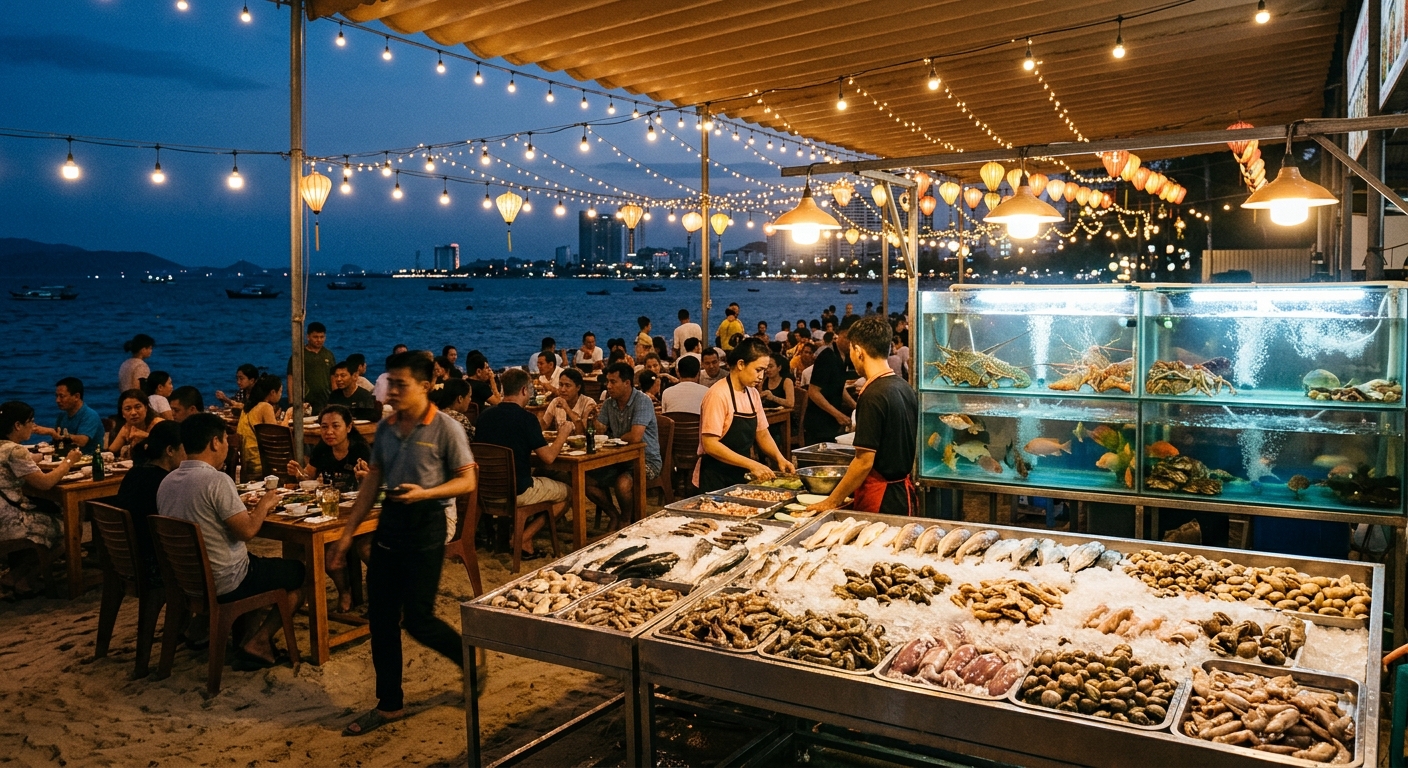
The salt air along Tran Phu beach is thick with the scent of charcoal smoke and grilled garlic, a siren song for any hungry traveler. As you walk the main strip in Nha Trang, you are greeted by rows of brightly lit restaurants with massive tanks of live creatures bubbling away. It looks like paradise, but for the uninitiated, this stretch is the epicenter of the typical nha trang seafood scam. The strategy here is rarely aggressive; instead, it is a game of selective silence. A waiter might point to a lobster, nod when you ask the price, and then lead you to a table without ever mentioning that the rate is per hundred grams rather than per piece. By the time the bill arrives, the price has inflated into a figure that could have paid for a domestic flight.
To avoid the dreaded “tourist tax,” your first line of defense is the tank menu. Never point to an item and simply ask, “How much?” because the answer will be deliberately vague. Instead, point specifically to the creature you want and mimic a weighing motion with your hands while looking directly at the staff. You must establish the total price for the specific animal before it leaves the water. If the staff hesitates or deflects, walk away. Legitimate vietnam seafood restaurants in the city keep a clear, printed price list near the entrance, and the staff will be happy to weigh your selection on a scale right in front of you. If you don’t see a scale, or if the waiter refuses to use one, you are likely about to be overcharged.
Finding Genuine Value Beyond the Tourist Strip
If you head a few blocks inland, away from the glittering neon of the beachfront, the dining experience shifts dramatically. This is where the residents of Nha Trang actually eat, and the atmosphere becomes less about performative luxury and more about the quality of the catch. Look for plastic stools and modest signage. These local spots operate on a different economy. Here, you are paying for the freshness of the morning haul, not the prime real estate of the promenade. The best beach food nha trang is often tucked into the alleyways of the northern end of the city or hidden behind the massive buildings near the Cau Da port.
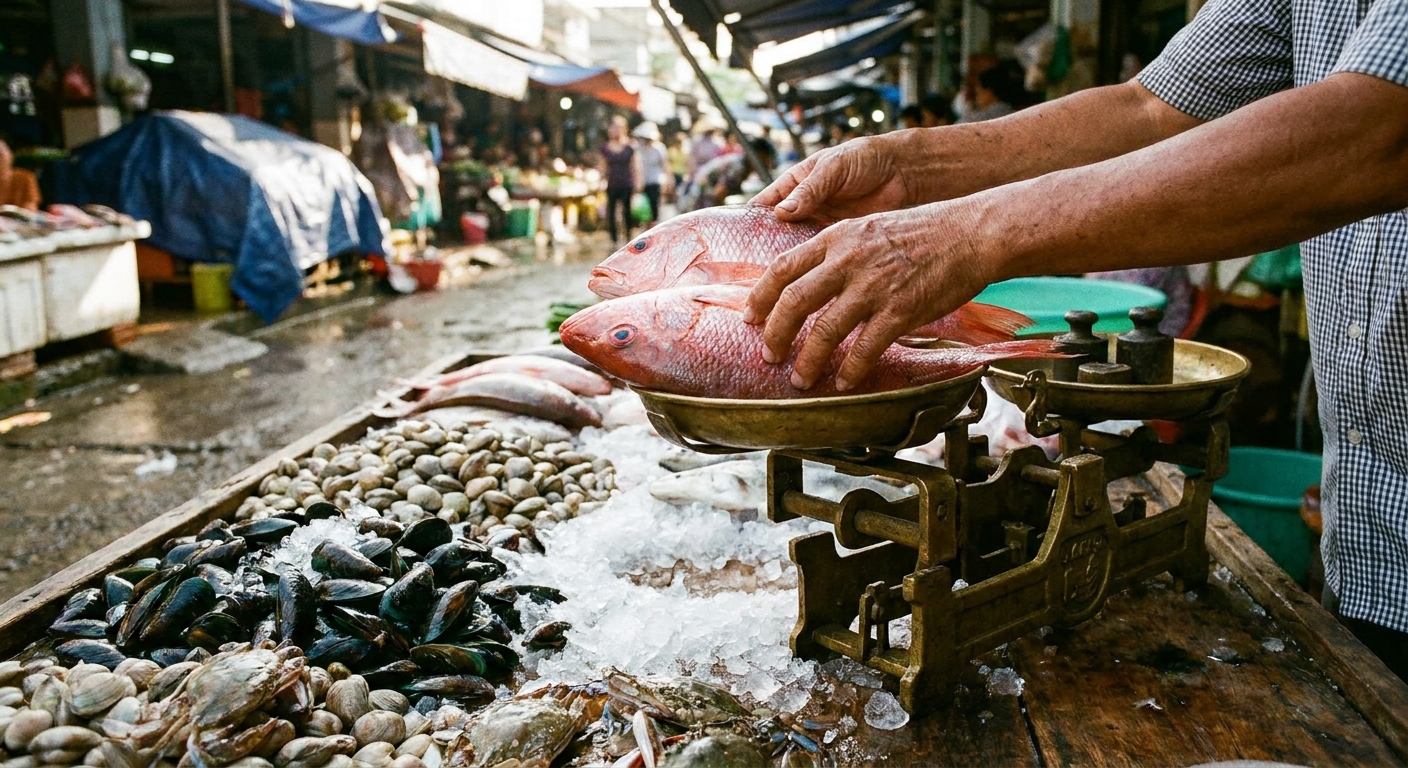
When you sit down at these local venues, the menu is often a simple whiteboard or a laminated sheet written entirely in Vietnamese. Do not be intimidated. If you cannot read the script, look at what the tables around you are ordering. If you see a cluster of locals peeling snails or dipping bread into a clay pot of bubbling broth, that is your signal. Ordering is usually done by weight here, too, but the math is transparent. You choose your seafood, they weigh it, they write the price on a scrap of paper, and you confirm it before it hits the grill. It is a straightforward, honest transaction.
Beyond the pricing, keep an eye on the preparation style. Local kitchens prioritize the natural flavor of the sea, often using simple dips made from lime, salt, and black pepper. If a restaurant heavily sauces or obscures the seafood in excessive butter and garlic, be cautious. Freshness is the pride of a good Vietnamese chef, and they prefer to let the quality of the shellfish speak for itself. If you find yourself craving a late-night bite, keep these essential tips in mind to keep your budget intact:
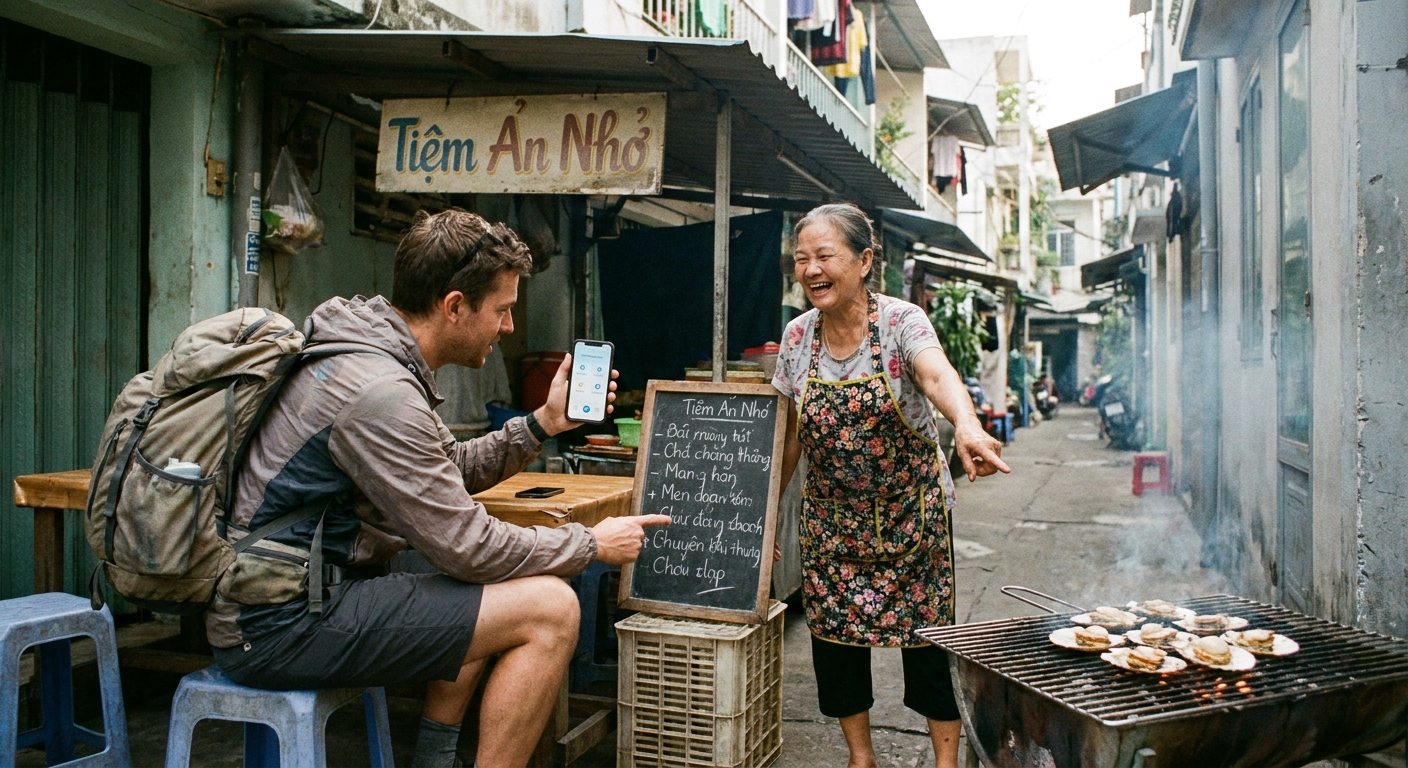
- Always verify the weight of the seafood on the scale before the kitchen starts the fire.
- Avoid restaurants that have menus with only pictures and no prices—these are usually designed to facilitate price gouging.
- Ask for the “price per kilogram” rather than the price for the whole dish to avoid confusion.
- If a restaurant looks empty while its neighbors are packed, there is usually a reason, and it is rarely because the food is good.
The transition from the tourist-centric beach strip to the authentic side streets of Nha Trang requires a bit of courage, but the rewards are substantial. You end up with a meal that costs a fraction of the price, and more importantly, you get a much better sense of the local culinary culture. As the sun dips below the horizon and the humidity breaks, the city truly comes alive with the sound of clinking glasses and the steady rhythm of oyster shucking. By sidestepping the predatory pricing traps, you ensure that your budget goes toward another day of exploration rather than a single, overpriced bowl of prawns. Take your time, walk past the initial line of flashy front-facing restaurants, and follow the scent of chili and lemongrass into the heart of the city.