If your Vietnam visa does not arrive on time, contact the official immigration portal or the embassy where you submitted your application immediately. Do not board a flight without a valid approval letter or e-visa, as airlines will deny boarding and you cannot obtain a visa upon arrival without prior authorization.
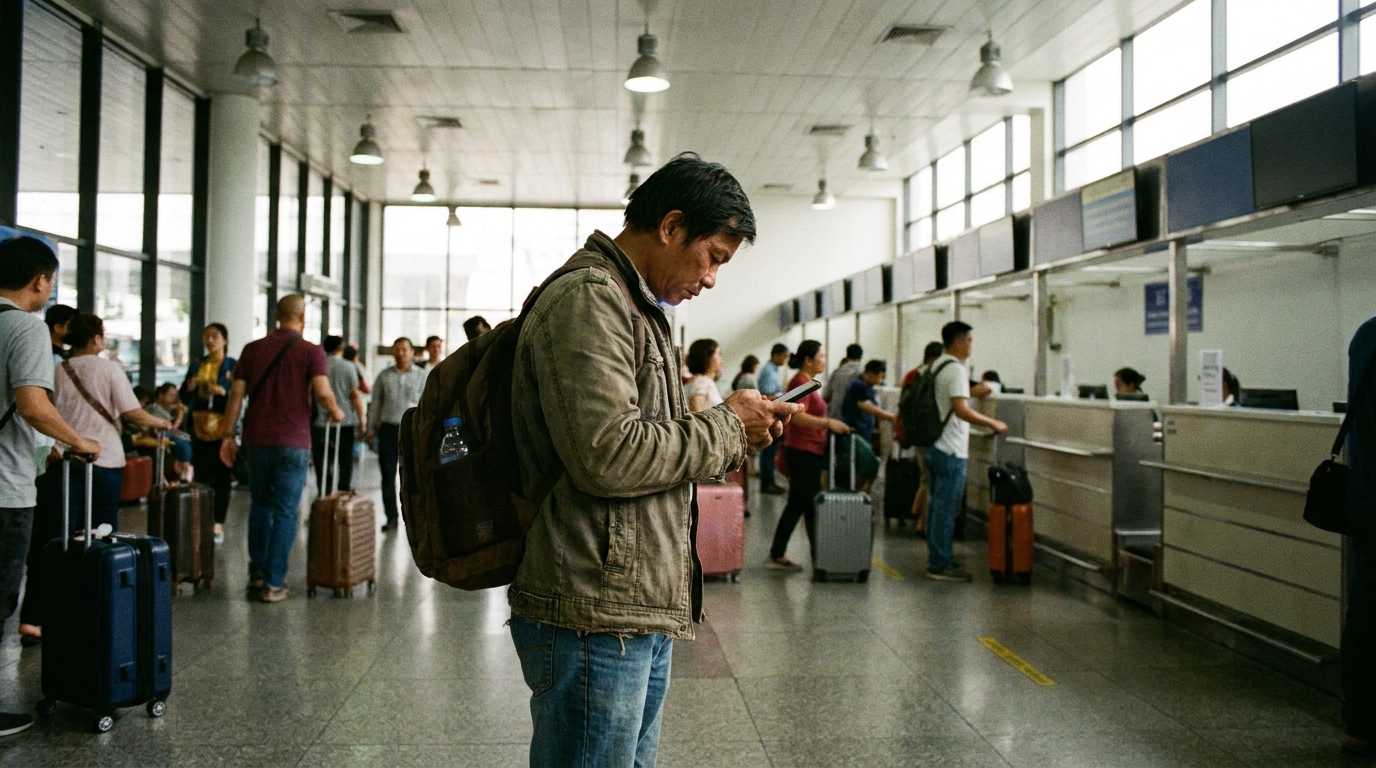
When a visa application stalls beyond the expected processing window, the most effective step is verifying the status through the official government portal using your registration code and email. As of 2026, standard processing times officially range from three to five business days, though high-volume periods often cause delays. If your travel date is imminent, check your spam folder first, as approval notifications frequently land there. If the status remains pending or processing, avoid booking new flights until you receive official documentation. Traveling to a Vietnamese port of entry without a confirmed visa will result in an immediate denial of boarding by your airline, as they face heavy fines for transporting passengers without proper entry credentials.
Visa rejections in 2026 often stem from simple clerical errors rather than malicious intent. Common mistakes include mismatched passport numbers, incorrect dates of birth, or low-resolution scans of your passport data page. When the Immigration Department rejects an application, they typically provide a brief reason code. If your application was denied due to a data error, you must wait for the current request to be finalized or closed before submitting a new application. Attempting to submit a duplicate request while one is already in the system often results in an automatic system block, which further delays the recovery process.
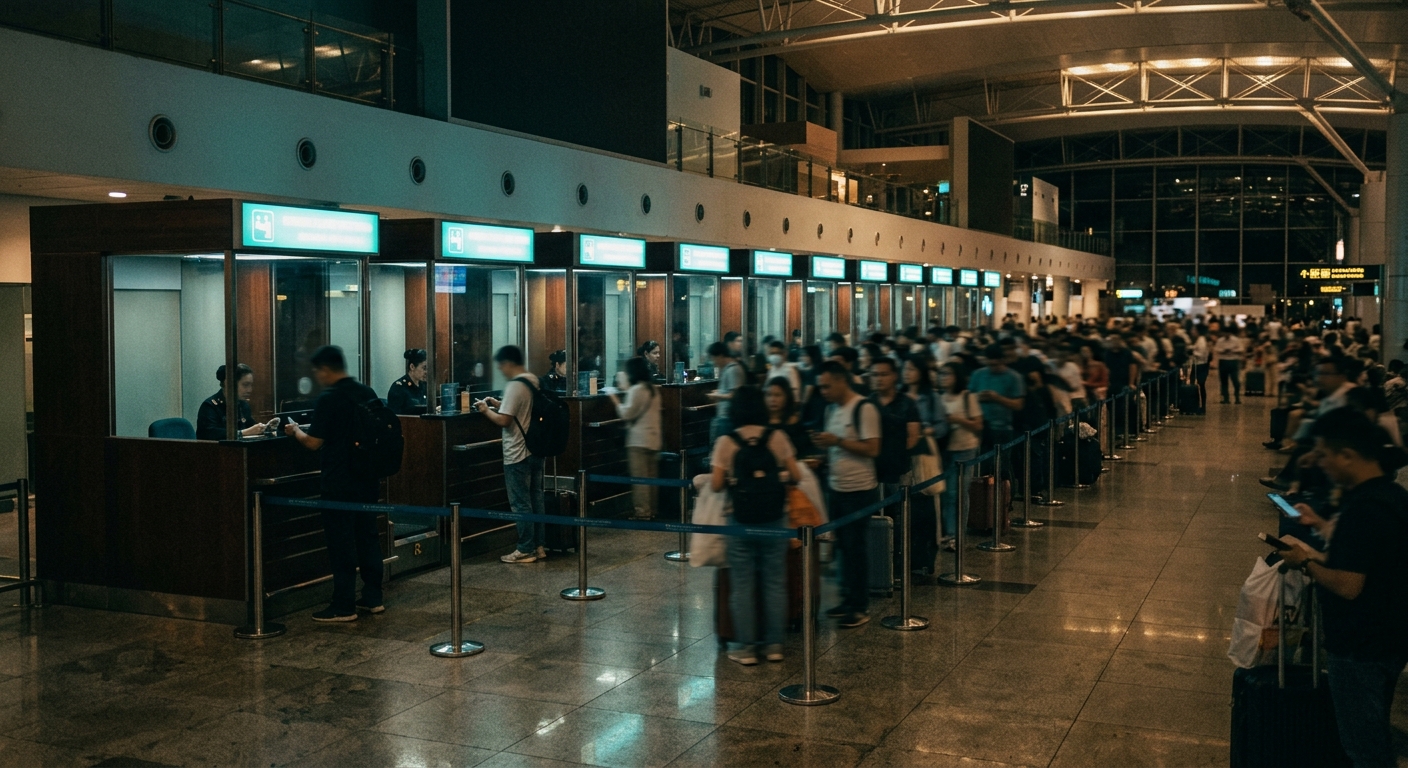
In scenarios where a visa is denied for more complex reasons, such as national security flags or past immigration history, the recovery path is significantly more difficult. You may need to contact the nearest Vietnamese embassy or consulate to request a manual review. This process is rarely quick and requires providing additional documentation, such as a formal letter of explanation or proof of travel itinerary. Keep in mind that immigration officers at the border have final authority. Even with a valid e-visa, they can refuse entry if they suspect your purpose of travel does not align with your visa category. Always maintain a printed copy of your visa approval, as digital copies may be insufficient during system outages at border checkpoints. If you find yourself stuck, professional visa agencies can sometimes expedite communication with the immigration office, but they cannot bypass the legal requirements set by the Vietnamese government. Patience is essential, as the immigration system is highly automated and does not respond well to repeated, urgent inquiries that put extra strain on the processing queue.
Frequently asked questions
What to do if a Vietnam visa does not come in time?
Check your spam folder and the official government tracking portal using your registration code. If the application is still pending, do not attempt to travel. Contact the immigration department or the embassy where you applied to inquire about the delay. Avoid booking or changing flights until you have received your official e-visa approval document.
What happens if you overstay a Vietnam visa by one day?
Overstaying your visa by even a single day results in a fine, which must be paid before you are permitted to leave the country. You will need to visit the local immigration office to process your exit visa and pay the penalty. While a one-day overstay is usually handled with a fine, repeated violations can lead to deportation.
Why would a Vietnam visa be denied?
Visas are typically denied due to incorrect information on the application form, such as a mismatched passport number or an invalid date of birth. Other reasons include uploading a blurry or incomplete photo of your passport, having a history of immigration violations in Vietnam, or selecting a visa category that does not match your intended travel purpose.
What is the most common reason for visa refusal?
The most frequent cause for refusal is a discrepancy between the information provided on the digital application and the data found on the applicant’s passport. Small typos in names, incorrect passport numbers, or issues with the uploaded image file often trigger an automatic rejection by the immigration system, requiring the applicant to correct the data and restart the process.
Can I reapply for a visa immediately after rejection?
You can reapply only after your previous application has been officially closed or marked as rejected in the system. Submitting a new application while a previous one is still being processed usually causes a system error or an automatic rejection of the second request. Ensure all errors from the first attempt are corrected before you submit your new application.