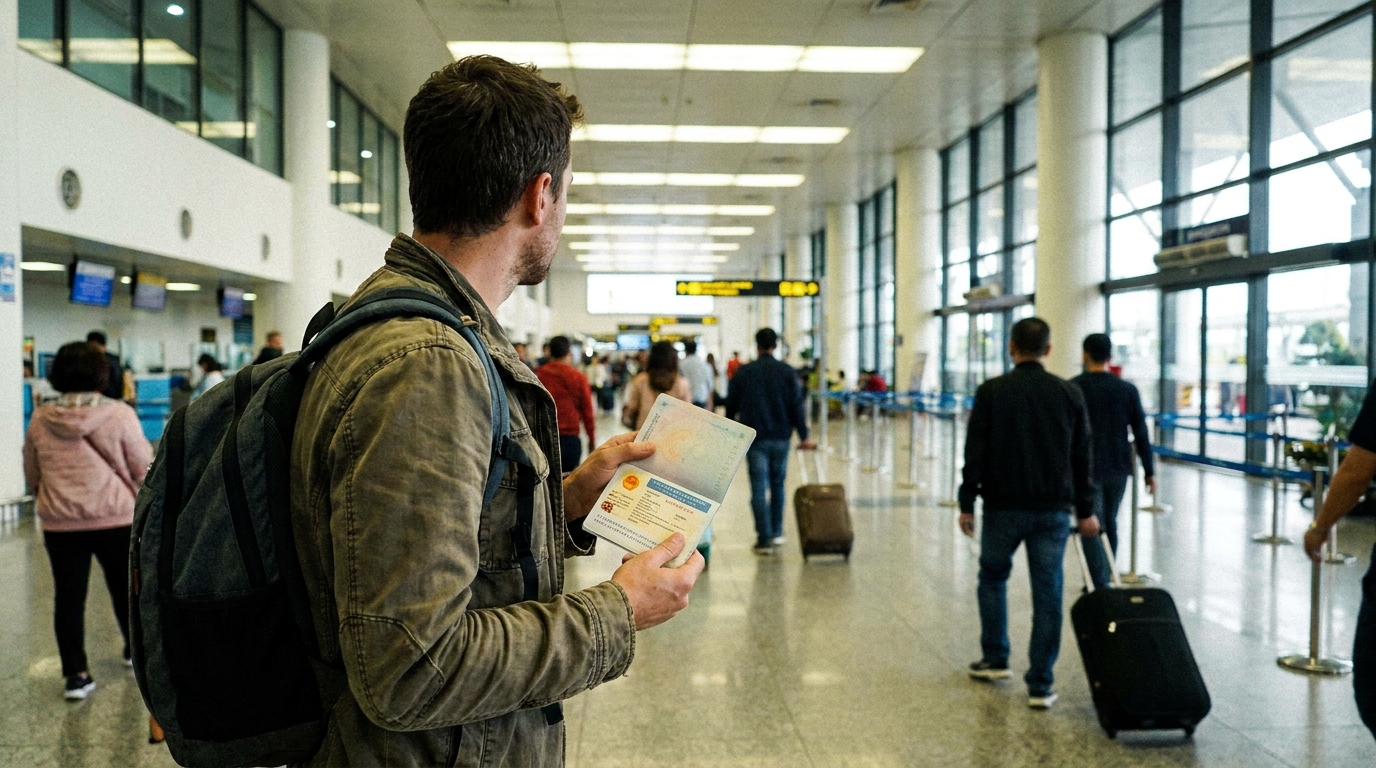
In the context of Vietnamese immigration, F1, F2, F3, and F4 are not standard visa categories but are instead internal administrative codes used by the Vietnam Immigration Department to classify specific types of family-based dependents or sponsorship relationships linked to temporary residence cards for foreign nationals living within the country.

When planning a trip to Vietnam in 2026, it is vital to distinguish between official visa categories and the internal codes used by immigration officers. The Vietnamese government issues visas based on the purpose of entry, such as tourism, business, or investment. While you might encounter references to F-coded classifications in documentation, these typically refer to the status of a foreign resident’s spouse or children under a Temporary Residence Card rather than a standard entry visa you would apply for at a consulate or through the e-visa portal. Understanding this distinction prevents significant confusion during the application process.
For most travelers, the entry process relies on the E-visa system, which now covers a wide range of nationalities. As of early 2026, the processing reality involves a standard waiting period of three to five business days. When you arrive at a port of entry, such as Noi Bai or Tan Son Nhat, immigration officers verify your digital approval against your passport details. Discrepancies in birth dates or passport numbers are the most common cause of entry denial, so verifying every digit before submission remains the most critical step for any applicant. The system is strictly digital, and physical stamps are placed directly into your passport upon arrival after the officer confirms your identity.

Business travelers and long-term visitors often look for extended stay options. While the standard e-visa is limited to 90 days, those intending to stay longer must secure a formal sponsorship from a company or organization based in Vietnam. This process involves the host entity filing for a visa approval letter from the Immigration Department before the traveler can apply for a visa at a Vietnamese embassy or consulate abroad. This procedure is distinct from the tourist e-visa and carries different documentation requirements, including proof of business registration and tax compliance from the sponsoring entity. Port-of-entry behavior is predictable if your paperwork is in order; officers generally prioritize verifying the validity of the approval letter against their internal database. If you are entering on a business-sponsored visa, ensure you carry a hard copy of your approval letter, as digital copies are sometimes insufficient for the initial boarding check by airlines. By maintaining clear records of your sponsorship and adhering to the specific limitations of your visa type, you ensure that your movement through the immigration checkpoint remains straightforward and free of administrative delays.
Frequently asked questions
What are F1, F2, F3, and F4 visas?
These designations are not standard tourist or business visa categories for general entry into Vietnam. Instead, they function as internal administrative codes used by the Vietnam Immigration Department to categorize the specific relationships of dependents, such as spouses or children, who are linked to a primary foreign resident holding a valid Temporary Residence Card.
Do I need a visa to enter Vietnam for one day?
Yes, you are required to hold a valid visa or an approved e-visa to enter Vietnam, regardless of how short your stay is. There is no specific visa exemption for one-day visits unless you qualify under a bilateral visa waiver agreement between Vietnam and your country of citizenship, which typically covers longer periods anyway.
Do I need a visa for Vietnam for 1 day?
All foreign nationals must possess a valid visa or a pre-approved e-visa to clear immigration at any Vietnamese port of entry, even for a stay of only 24 hours. The immigration system does not distinguish between a one-day visit and a longer trip, requiring the same documentation for entry clearance.
Can I get a 1 year visa for Vietnam?
Vietnam does not currently offer a standard one-year tourist visa. You may obtain a long-term stay through a Temporary Residence Card if you are a foreign investor, a highly skilled professional with a work permit, or a spouse of a Vietnamese citizen. These are issued based on specific sponsorship and residency requirements.
What information is needed for a Vietnam visa?
To apply for a Vietnamese visa, you must provide a digital scan of your passport’s data page, a recent digital portrait photo, and your intended entry and exit dates. Additionally, you will need to specify your port of entry, provide a valid email address, and pay the non-refundable processing fee through the official portal.