Choose a single-entry visa if your itinerary involves one arrival and departure within a 90-day window. Select a multiple-entry visa if you plan to visit neighboring countries like Cambodia or Laos and return to Vietnam during your trip. Your travel route dictates the specific visa type required for entry.
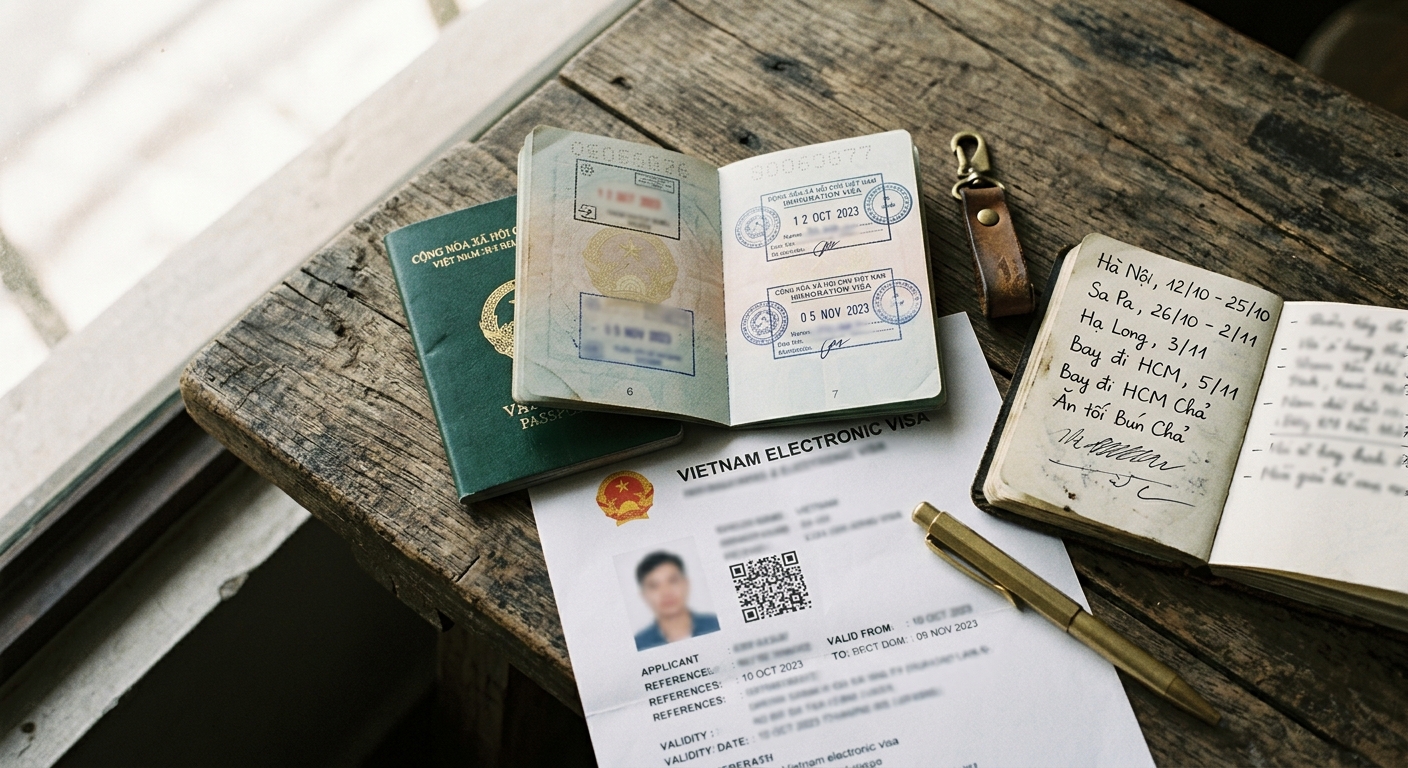
Single-Entry Vietnam Visa vs Multi-Entry Vietnam Visa — quick comparison
| Dimension | Single-Entry Vietnam Visa | Multi-Entry Vietnam Visa |
|---|---|---|
| Number of entries allowed | Allows exactly one entry into Vietnam; once you exit, the visa becomes invalid. | Permits unlimited entries and exits throughout the duration of the visa validity. |
| Validity period | Valid for up to 90 days from the specified date of entry. | Valid for up to 90 days from the initial date of entry. |
| Government fee | The standard government e-visa fee is $25 USD. | The government e-visa fee for multiple entries is $50 USD. |
| Service fee (urgent) | Urgent processing typically adds $20 to $50 depending on the turnaround time. | Urgent processing for multiple-entry visas often incurs higher premiums, ranging from $40 to $80. |
| Best for traveller type | Ideal for tourists staying in Vietnam for a single, continuous trip. | Best for regional travelers exploring Southeast Asia who plan to return to Vietnam. |
| Border-hop scenarios | Not suitable for border runs; exiting the country terminates the visa immediately. | Perfect for border-hopping as it allows legal re-entry without needing a new application. |
| Renewal mechanics | Requires a new visa application after exiting or when the 90-day limit expires. | Requires exiting and re-entering the country or applying for a new visa after 90 days. |
In 2026, the Vietnam e-visa system remains the primary gateway for international visitors. Understanding the financial and logistical differences between single and multiple-entry visas is essential for budget planning and itinerary management. The single-entry visa is the standard choice for most vacationers. At $25, it provides a cost-effective way to enter the country, stay for up to 90 days, and depart. Because the visa is tied to a specific port of entry, such as Noi Bai or Tan Son Nhat, you must ensure your arrival details match your application exactly. Once you cross the border to leave Vietnam, the visa is effectively voided, regardless of how many days remain on your 90-day allotment.
The multiple-entry visa, priced at $50, serves a different demographic. It is designed for travelers who intend to use Vietnam as a hub for regional exploration. For instance, if you plan to spend two weeks in Vietnam, take a side trip to Cambodia for a week, and then return to Vietnam for another month, the multiple-entry visa is mandatory. Attempting this with a single-entry visa would force you to apply for a brand-new visa while abroad, which is both time-consuming and prone to processing delays. The multiple-entry visa allows you to enter and exit at any of the authorized international checkpoints as many times as you like within the 90-day window.
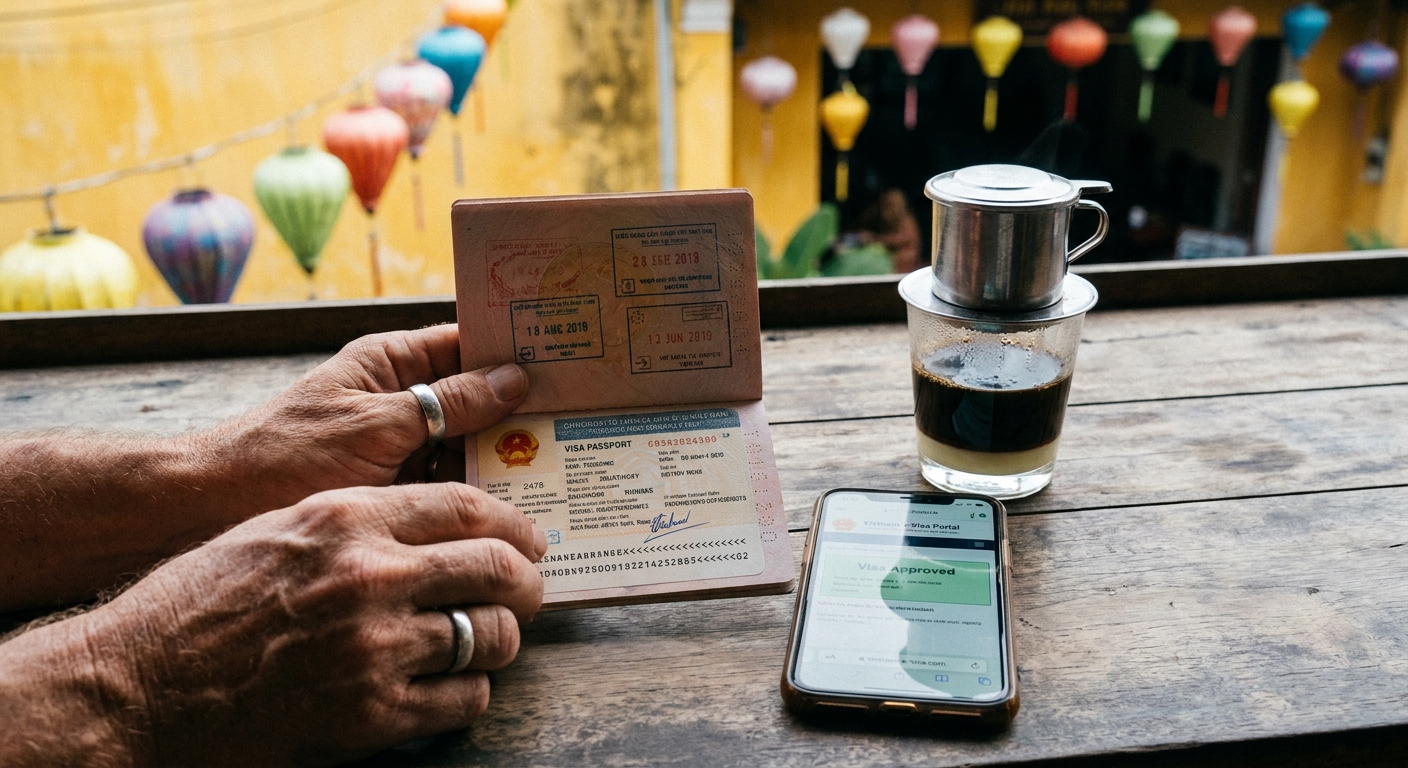
A common mistake travelers make involves confusing visa validity with stay duration. Both visa types offer a maximum stay of 90 days. However, the clock starts ticking the moment you first enter the country. If you arrive on January 1st, your visa expires on March 31st, regardless of how many times you left and re-entered in between. You cannot extend the 90-day limit by exiting and re-entering the country; you must physically leave and apply for a new visa if you wish to stay longer than the initial 90 days. This is a crucial distinction for those who might assume that multiple entries reset the 90-day stay period.
Cost realities often favor the multiple-entry visa when factoring in the risk of travel plan changes. While the $50 government fee is double the single-entry price, the cost of applying for a second single-entry visa if your plans change mid-trip is significantly higher when including service fees and processing time. If there is even a 20% chance that you will leave Vietnam and need to return, the $25 difference is essentially an insurance policy against logistical friction. Conversely, if your itinerary is fixed and you have no intention of leaving the country until your flight home, the single-entry visa remains the most efficient financial choice.
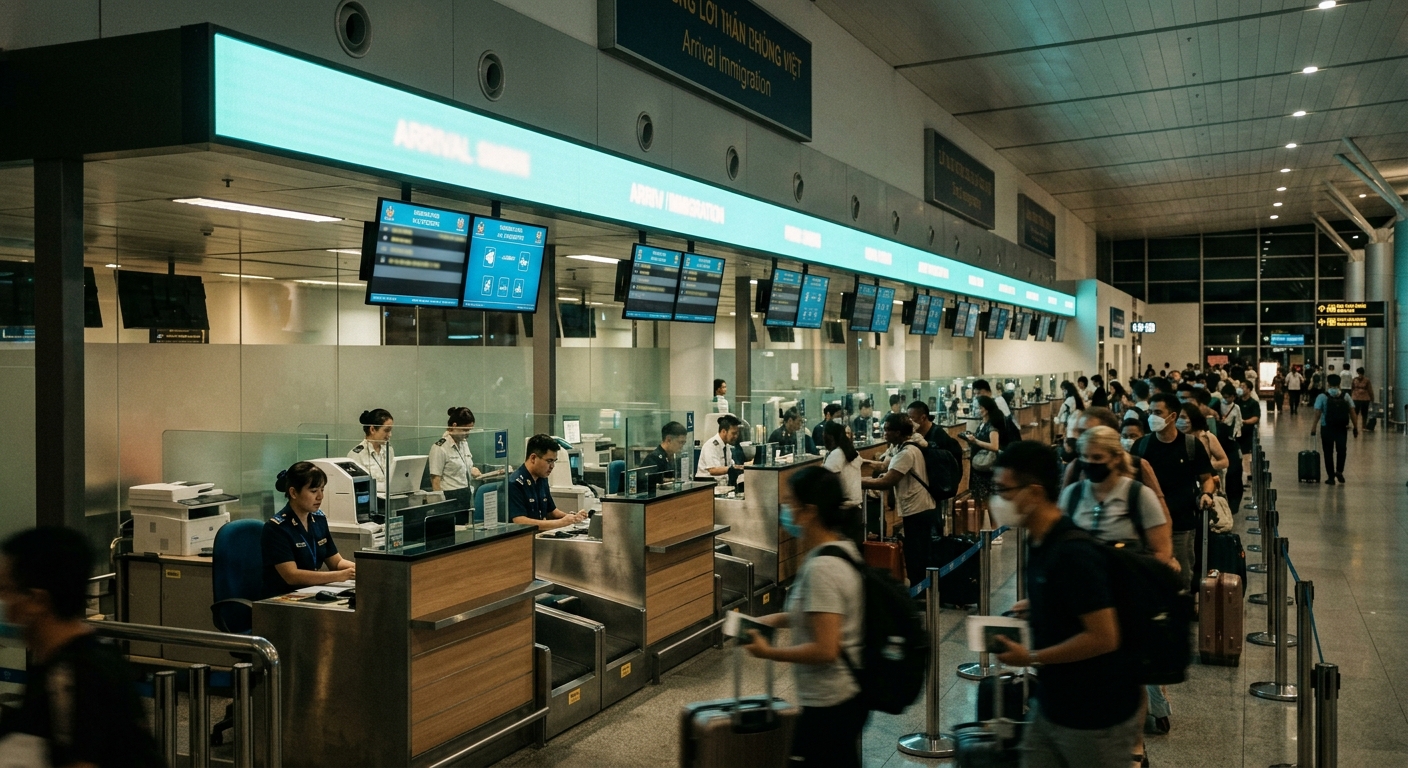
Edge cases often arise at land borders. While international airports are highly standardized, land border crossings can be subject to stricter document scrutiny. Always carry a printed copy of your e-visa approval letter. If you are using a multiple-entry visa, ensure the border official stamps your passport correctly upon each re-entry. Discrepancies in entry stamps can lead to complications during your final departure. Finally, remember that visa processing times for both types are generally 3 to 5 working days, though urgent service options can reduce this to 24 hours for an additional fee. Always verify your passport has at least six months of validity remaining, as this requirement applies uniformly regardless of the entry type you select.
Frequently asked questions
How many times can I enter Vietnam in one year with a multi-entry visa?
A multiple-entry visa does not grant access for an entire year. It is strictly limited to the 90-day validity period specified on your approval letter. Within those 90 days, you may enter and exit the country as many times as you wish, but the visa expires after that duration.
Is a multi-entry Vietnam visa more expensive than two single-entry visas?
Yes, a single multiple-entry visa is generally cheaper than purchasing two separate single-entry visas. The government fee for a multiple-entry visa is $50, whereas two single-entry visas would cost $50 in government fees plus double the service processing fees, making the single multiple-entry option more economical for frequent travelers.
Can I switch from single-entry to multi-entry after applying?
No, you cannot change your visa type once the application has been submitted or approved. If you realize you need a multiple-entry visa after applying for a single-entry version, you must wait for the current application to process or be rejected, then submit a brand-new application with the correct selection.
Do digital nomads need a multi-entry Vietnam visa?
Digital nomads typically benefit from a multiple-entry visa if they plan to take short trips to neighboring countries for visa runs or leisure. Since Vietnam does not offer a specific digital nomad visa, the 90-day multiple-entry e-visa is the most flexible option for those maintaining a nomadic lifestyle in Southeast Asia.
What is the maximum stay on a multi-entry Vietnam visa?
The maximum stay allowed on a multiple-entry Vietnam visa is 90 days total. This period is calculated from your first date of entry. You cannot exceed 90 days of cumulative presence in the country, and you must exit Vietnam before the expiration date printed on your official visa approval letter.