Common Vietnam visa denied reasons include discrepancies between passport data and application forms, low-quality document scans, and past immigration violations. Other triggers involve selecting the incorrect port of entry, failing to meet the six-month passport validity requirement, or submitting photographs that do not meet official government standards.
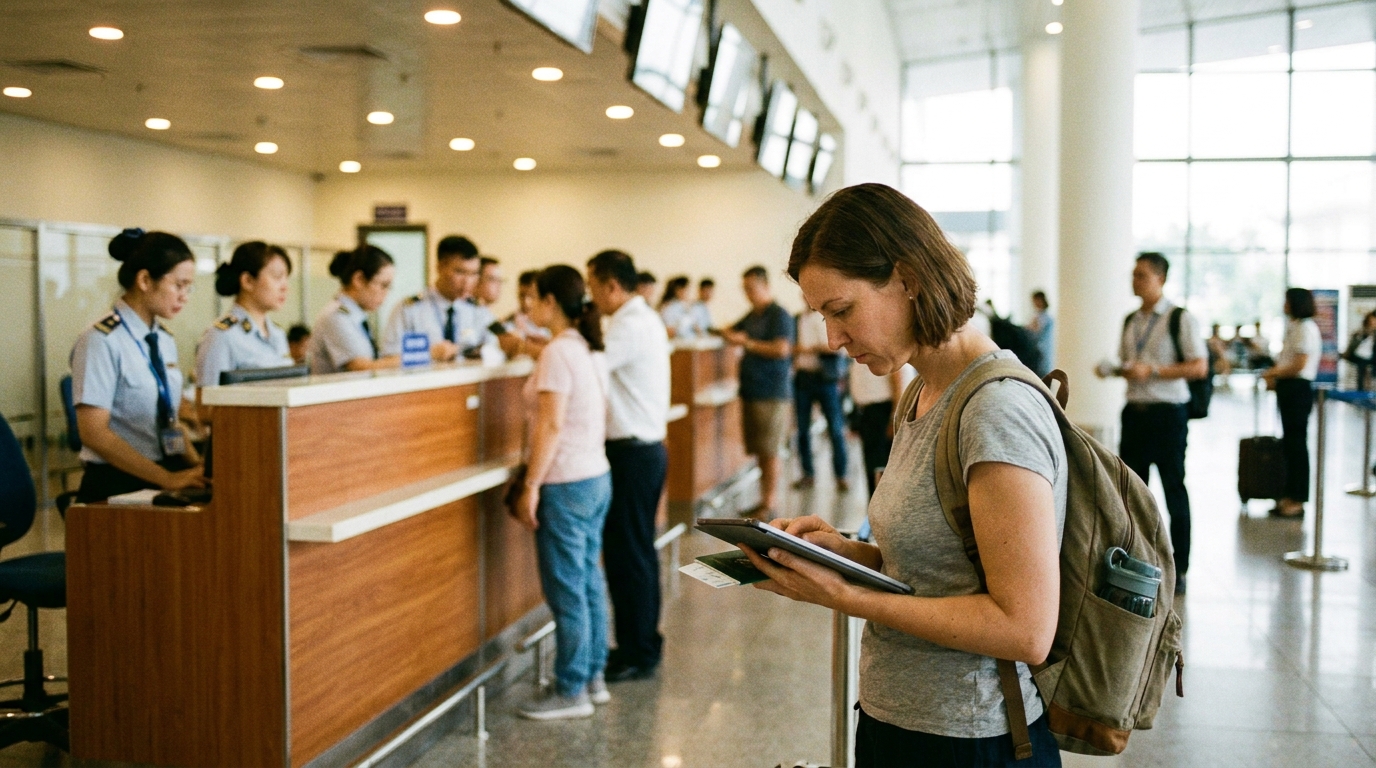
The Vietnamese Immigration Department processes e-visa applications within three to five working days, yet errors often lead to immediate rejection without a refund of the $25 processing fee. One of the most frequent causes for denial is a mismatch between the passport biographical page and the digital entry form. Even a single transposed digit in a passport number or a slight variation in the middle name can invalidate the entire application. Applicants must ensure their portrait photo is taken against a plain white background with no glasses and neutral facial expressions, as the automated facial recognition software used at major entry points like Noi Bai and Tan Son Nhat will flag inconsistencies during the scanning process.
Passport validity remains a critical gatekeeper for entry. Vietnam strictly mandates that all travel documents must remain valid for at least six months beyond the intended date of departure. If a passport expires sooner, the system automatically rejects the request. Furthermore, travelers often encounter issues by selecting the wrong port of entry. The e-visa is valid only for the specific border crossing, airport, or seaport declared during the application phase. Attempting to enter through a different location than the one listed on the approved visa document will result in an immediate denial of entry by border authorities, necessitating a new application and additional processing time.
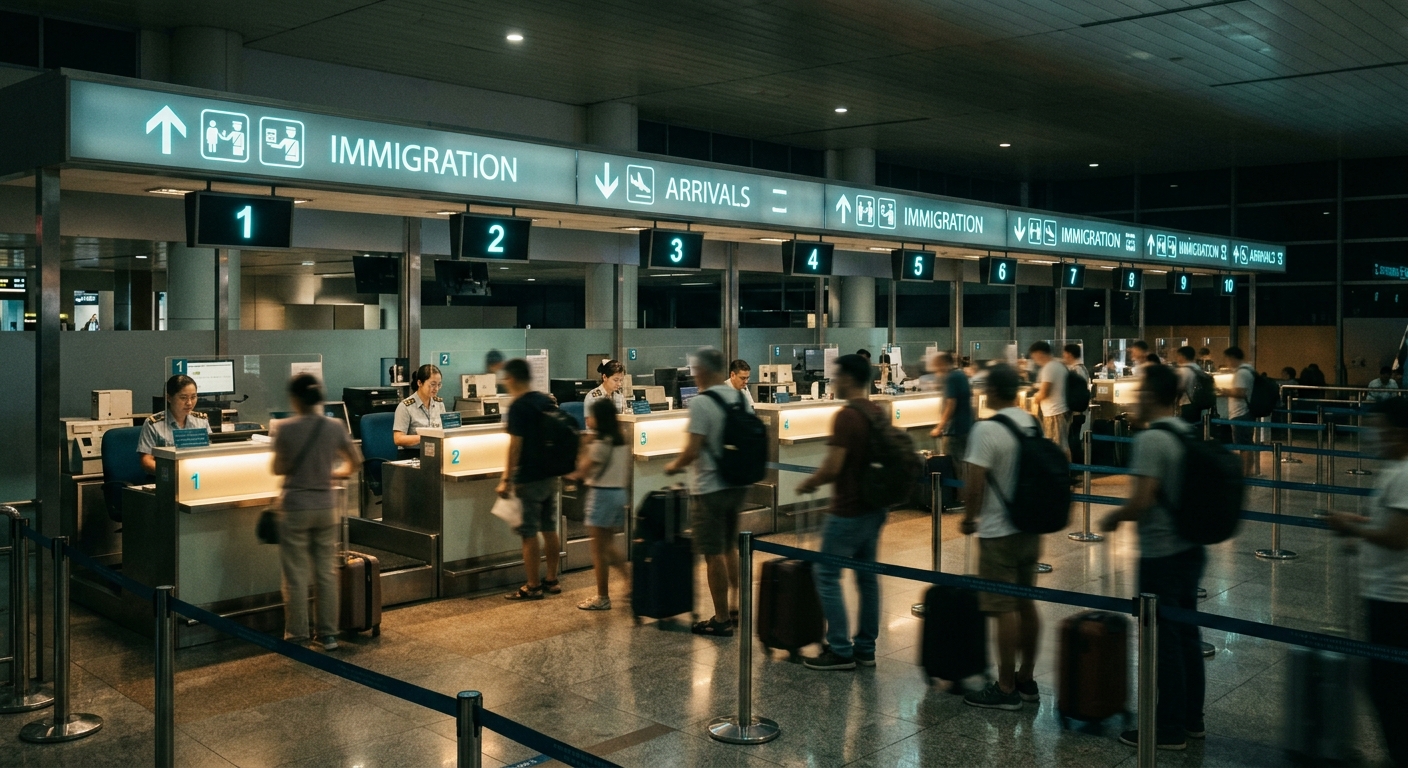
Previous overstays or violations of Vietnamese law also trigger automatic denials. If an individual has remained in the country beyond their authorized stay during a prior visit, their name is flagged in the national database. In such cases, the standard e-visa process is insufficient, and the traveler must contact the nearest Vietnamese embassy or consulate to resolve the record. Additionally, applicants must provide a clear, legible scan of the passport data page. Blurred images, glare from camera flashes, or obscured machine-readable zones are common reasons for rejection. Since the government does not provide a mechanism to edit an application once it has been submitted, any error requires the applicant to restart the entire process, pay the fee again, and wait for a new processing cycle.
Finally, ensure that the intended duration of stay does not exceed the 90-day limit permitted under the current e-visa policy. Attempting to apply for a stay longer than the statutory maximum will result in a system-generated rejection. Always double-check that the entry date aligns with the actual flight itinerary, as the visa validity period begins on the date specified in the application, not the date of arrival. Maintaining accuracy during the initial data entry phase is the only way to ensure the immigration authorities approve the request on the first attempt.

Frequently asked questions
vietnam visa denied reasons
Common Vietnam visa denied reasons involve input errors such as incorrect passport numbers, blurred document scans, or mismatched personal details. Other factors include failing the six-month passport validity rule, selecting the wrong port of entry, or having a history of immigration violations that triggers a flag in the government database.
vietnam visa denied reasons
The primary reasons for visa denial are technical errors during the application process, such as submitting non-compliant portrait photos or providing inconsistent biographical information. Additionally, applicants are frequently rejected if their passport expires within six months of their arrival date or if they attempt to enter through an unlisted port.
vietnam visa rejection appeal
To appeal a visa denial, submit a formal written request to the Vietnam Immigration Department or the nearest embassy. Include the original denial reference number, a copy of the passport, and supporting evidence to correct the error. Processing typically requires 5 to 15 working days depending on the complexity of the case.
why vietnam visa rejected
A Vietnam visa is rejected when the submitted data fails to match official records or immigration requirements. Common causes include low-quality document uploads, incorrect port of entry selection, or failing to meet the mandatory six-month passport validity period. Once a rejection occurs, the non-refundable $25 fee is forfeited by the applicant.