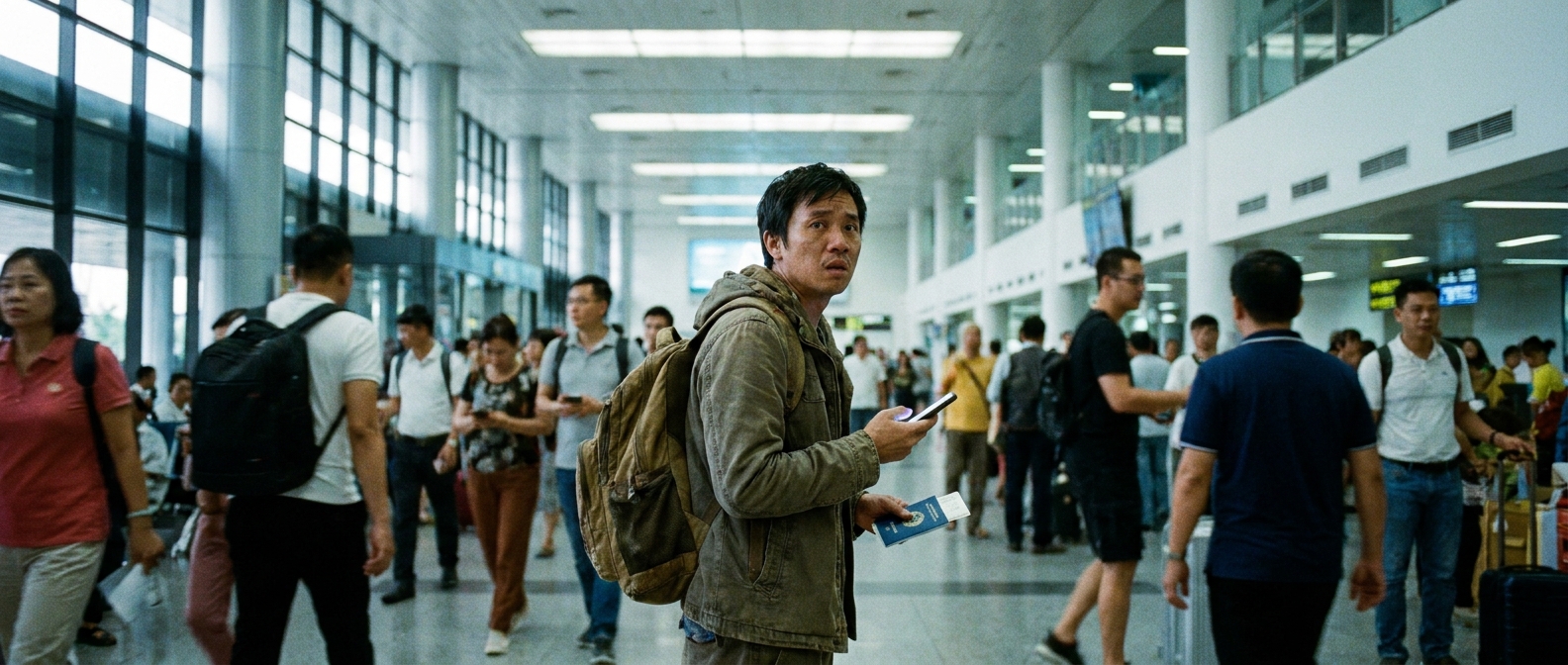
There is a unique kind of adrenaline reserved for travelers staring at a browser window in a departure lounge, watching the clock tick toward boarding while their application status remains frozen in “pending.” You are refresh-buttoning a portal that seems deaf to your urgency, your mind racing through worst-case scenarios involving missed connections and lost deposits in Da Nang or Ho Chi Minh City. Then, suddenly, with just ninety minutes left before the gate closes, the status jumps from stagnant to “approved.” It is a jarring experience, but it is also a predictable reality for many who find themselves managing an emergency vietnam evisa in the final hours.
To understand why this happens, you have to stop viewing the visa portal as a live, interactive database and start seeing it as a public-facing window into a high-security, manual-heavy government workflow. When you submit your application, it enters a queue that is not processed by an automated script. Instead, your data is routed to a physical immigration officer. During those long days where the status sits at “pending,” the officer is performing a series of integrity checks. They are cross-referencing your passport details against international databases, checking for previous overstays, and manually verifying the authenticity of your uploaded documentation. If your application falls into a specific queue for urgent review, it often sits in a “pre-processing” state where no updates are pushed to the user until the final gatekeeper grants authorization.
Understanding the Mechanics of Government Batch Updates
The status doesn’t move in real-time because the system is designed for security, not user convenience. Government systems often work in batch processing cycles. An officer might spend hours reviewing a stack of digital files, performing the necessary background checks in offline, secure environments. Once a batch of files is cleared, they are pushed through the final verification layer, where a PDF is generated and the status code is flipped to “approved” simultaneously for everyone in that specific, cleared group. This is why you see zero movement for days and then a sudden, rapid-fire resolution. It is not that they ignored you until the last second; it is that you were part of a security “batch” that was released only once the entire group met the necessary criteria.
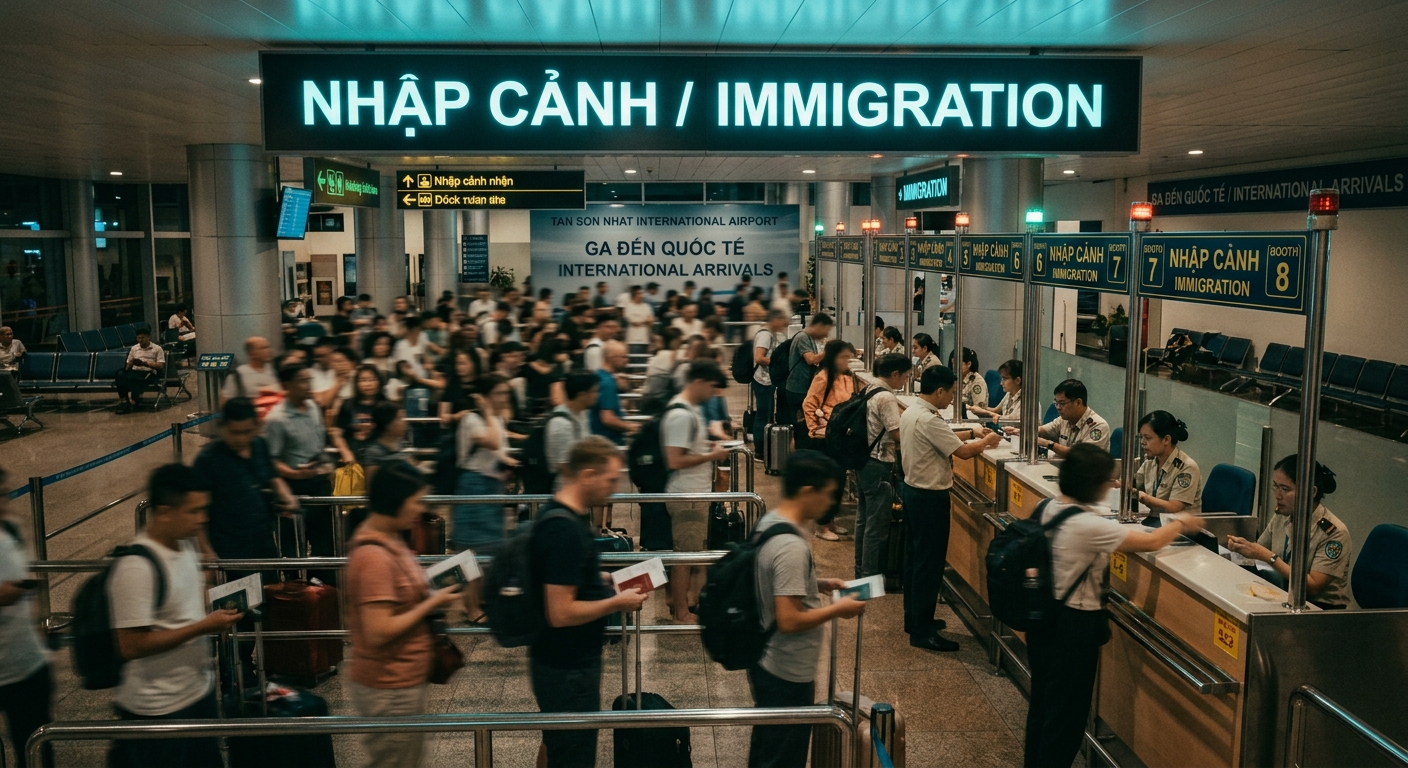
If you are currently waiting on an urgent vietnam evisa status, it is tempting to fire off emails or call every government contact you can find. However, most of this activity is purely additive noise that distracts those who are actually doing the work. If you are truly in a crunch, there are only two actions that move the needle in a meaningful way. First, check that your original application doesn’t have an “amendment required” status hidden behind a login. Sometimes, a blurry photo or a typo in your passport number causes an automatic hold, and the portal will not move until you upload a correction. Second, if your travel window is genuinely closing and the application is still pending, you should contact the specific immigration office listed for your port of entry or use the official support channels to submit a formal inquiry regarding your application number. If you are already stressing about your trip, consider reading about expediting a Vietnam visa to understand which services actually possess the clout to flag your file with the authorities versus those that simply provide empty promises.
While you wait for that status to finally blink into life, it is helpful to keep perspective on what lies ahead. The panic of the visa process is a sharp contrast to the slow, measured pace of life in the country itself. Whether you are planning to lose yourself in the phin filter hour in a quiet Hanoi alleyway or navigate the complexities of regional travel, the frustration of the application phase eventually fades into a memory.
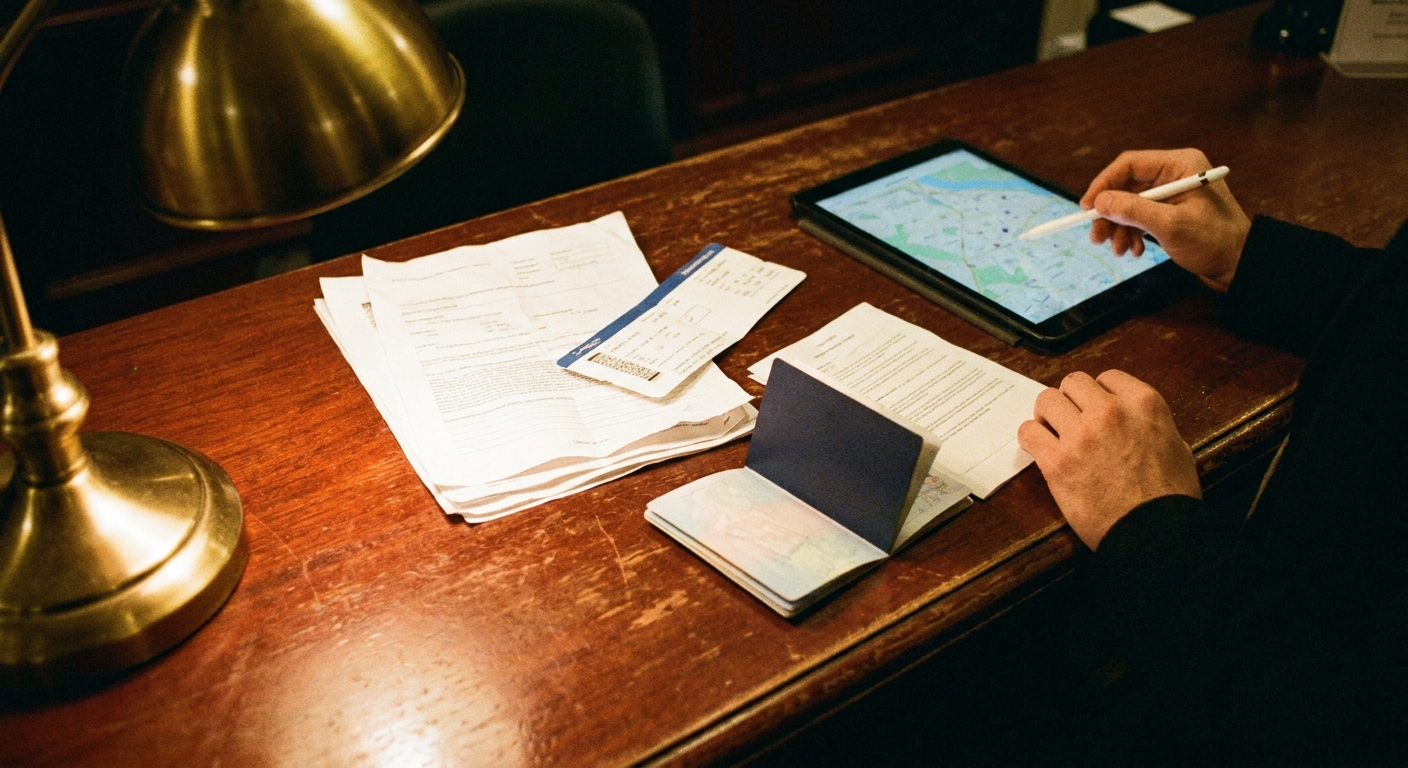
The reality is that an emergency vietnam visa is rarely a smooth process for anyone involved. The system is intentionally rigid to ensure national security, and it prioritizes accuracy over the traveler’s boarding schedule. When the status changes in that final, breathless hour, it is rarely an accident of timing. It is the result of the final manual check clearing your file, allowing the system to output your visa document. While it tests every ounce of your patience, remember that once that approval notice appears, the digital document is just as valid as one that arrived weeks in advance. Pack your printed copy, check your passport expiration date, and prepare to move forward with your trip. The departure lounge anxiety is, ultimately, just one more story you will tell over a bia hoi once you finally land.