Common reasons for Vietnam visa refusal include discrepancies between passport data and application details, low-resolution scanned documents, incorrect entry port selection, or prior overstaying records. Additionally, security flags or incomplete information regarding your intended duration of stay often trigger automated rejections during the 2025 electronic processing cycle.
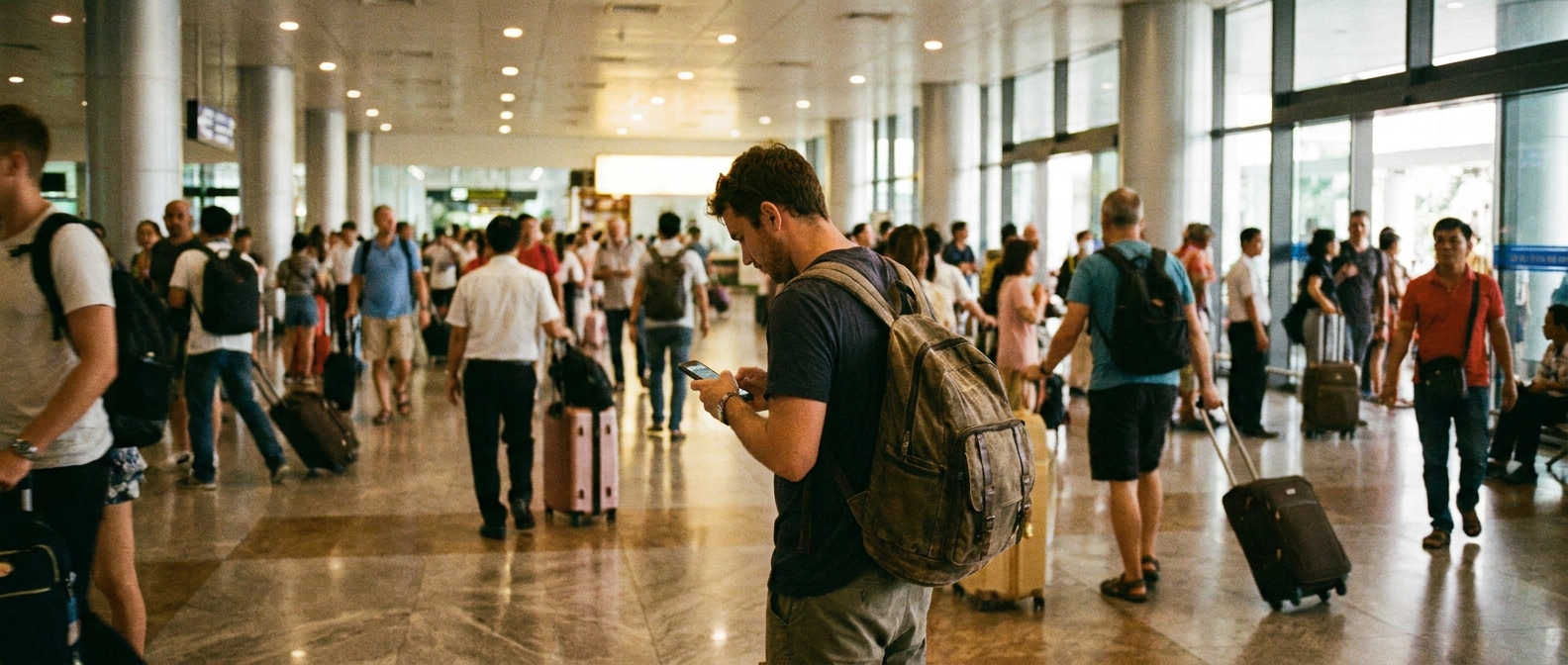
When you submit an application through the official government portal, the automated screening process acts as the first gatekeeper. By 2026, the system has become increasingly sensitive to minor data inconsistencies. If the name on your application does not match the machine-readable zone of your passport exactly, the system automatically flags the file for review or outright rejection. Many applicants fail because they upload cropped images or photos where the glare obscures the vital information page. Government officers prioritize clarity, and any ambiguity regarding your identity or the validity of your passport is treated as a security risk.
Port of entry selection is another frequent point of failure. You must select the exact airport or land border crossing you intend to use. If you arrive at Tan Son Nhat but your visa was approved for Noi Bai, you will be denied entry at the immigration desk. This is not a clerical error that can be fixed on the spot; it is a rigid requirement of the current immigration framework. Furthermore, if you have overstayed a previous visa in Vietnam, your record remains in the database. Even if you believe your previous fine was paid, the system may still block new applications until you have formally cleared your status through the Immigration Department in Hanoi.
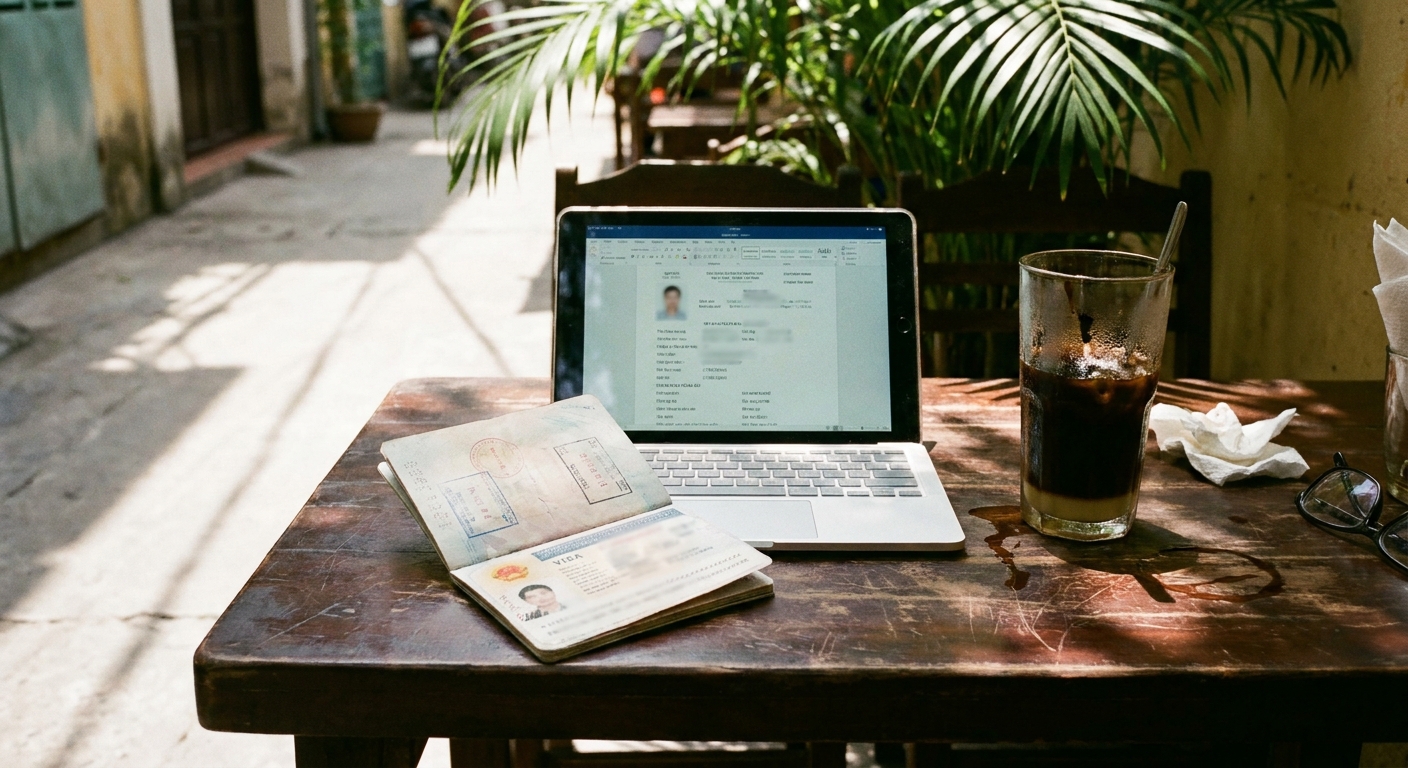
Payment failures often occur because the government portal is not optimized for every international credit card type. If you reach the payment page and the transaction fails, it is usually due to your bank’s security protocols blocking an overseas transaction or the portal’s inability to process specific non-Visa or non-Mastercard providers. Trying repeatedly can lock your session, making the application appear stuck. In these cases, waiting twenty-four hours before using a different browser or a different card is the most effective approach. If the system continues to throw errors, it is often a sign that the server is undergoing maintenance or experiencing high traffic volume, which is common during peak tourist seasons.
Understanding that these systems are largely automated helps clarify why there is little room for manual correction once a status changes to rejected. If your application is denied, the notification rarely provides a specific reason beyond a generic code. This forces applicants to review every field for typos or document quality issues before attempting a new submission. Being precise and patient with the digital interface is the only way to ensure your status eventually moves from pending to approved.
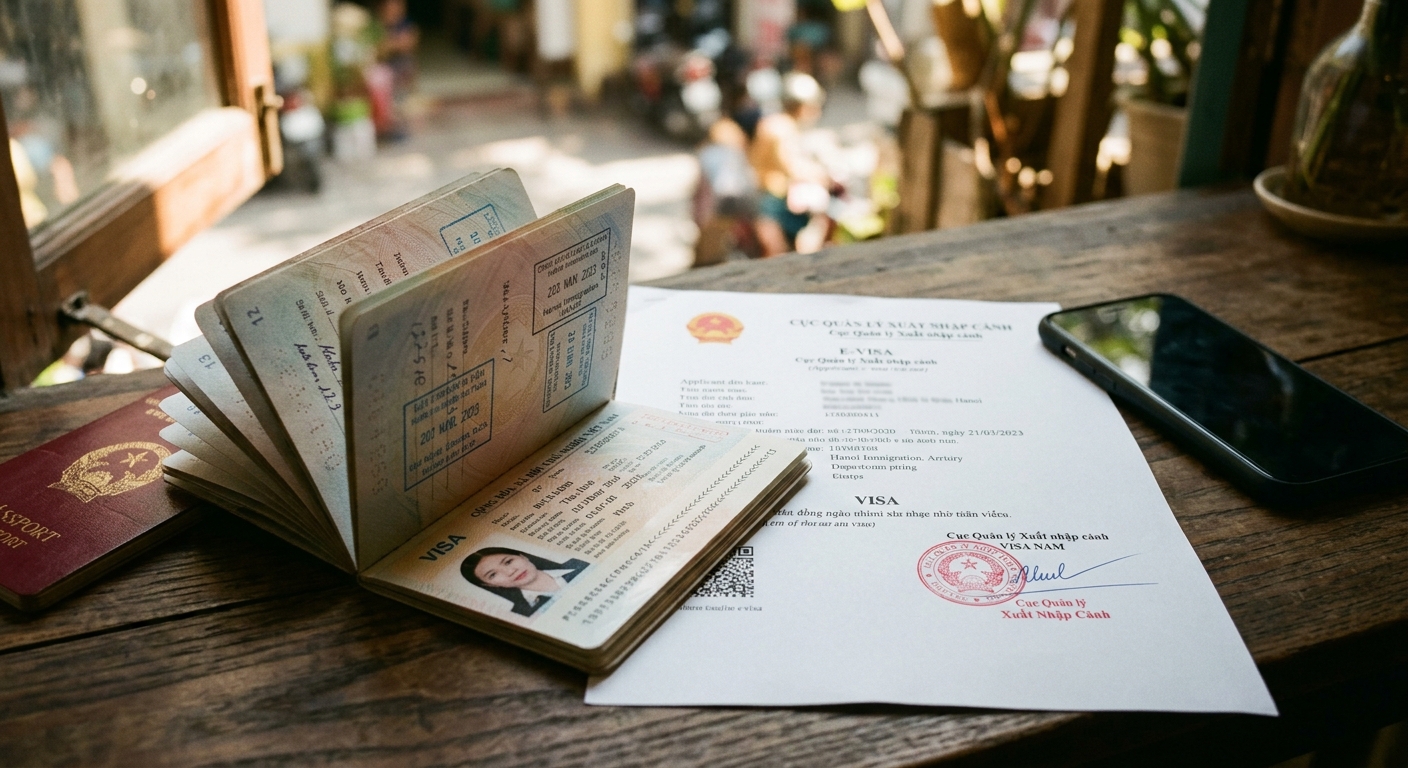
Frequently asked questions
What are common reasons for Vietnam visa refusal?
Common reasons for refusal include mismatched passport data, low-quality document scans, and selecting the wrong port of entry. Other factors involve history of overstaying your previous visit, incomplete travel itineraries, or technical failures during the application process. Each of these triggers an automated rejection by the immigration system, requiring a fresh, corrected application.
Can I reapply for a Vietnam visa if rejected?
Yes, you can reapply for a Vietnam visa after a rejection. You must first identify the error in your previous application, such as a typo or an unclear document scan. Once you have corrected the information and ensured your passport meets all requirements, you can submit a new application through the official government portal.
Can I reapply for a Vietnam visa?
You are permitted to reapply for a Vietnam visa as soon as you receive a rejection notice. There is no mandatory waiting period, but you must ensure that the issues leading to the initial denial are resolved. Submitting the exact same information without corrections will likely result in another automated rejection by the system.
Why does eVisa Vietnam fail entering in the payment page?
Payment failures on the Vietnam eVisa site are typically caused by international bank security blocks or incompatible card types. The portal sometimes struggles with specific credit card providers or high traffic loads. If you encounter this, try using a different card, a different browser, or wait twenty-four hours before attempting the transaction again.
What happens if your visa gets denied?
If your visa is denied, the status in the portal will update to reflect the rejection. You will not be able to enter Vietnam with that specific application. You must analyze your submitted data for inconsistencies, correct any errors, and submit a new application. You will need to pay the visa fee again for the new submission.