
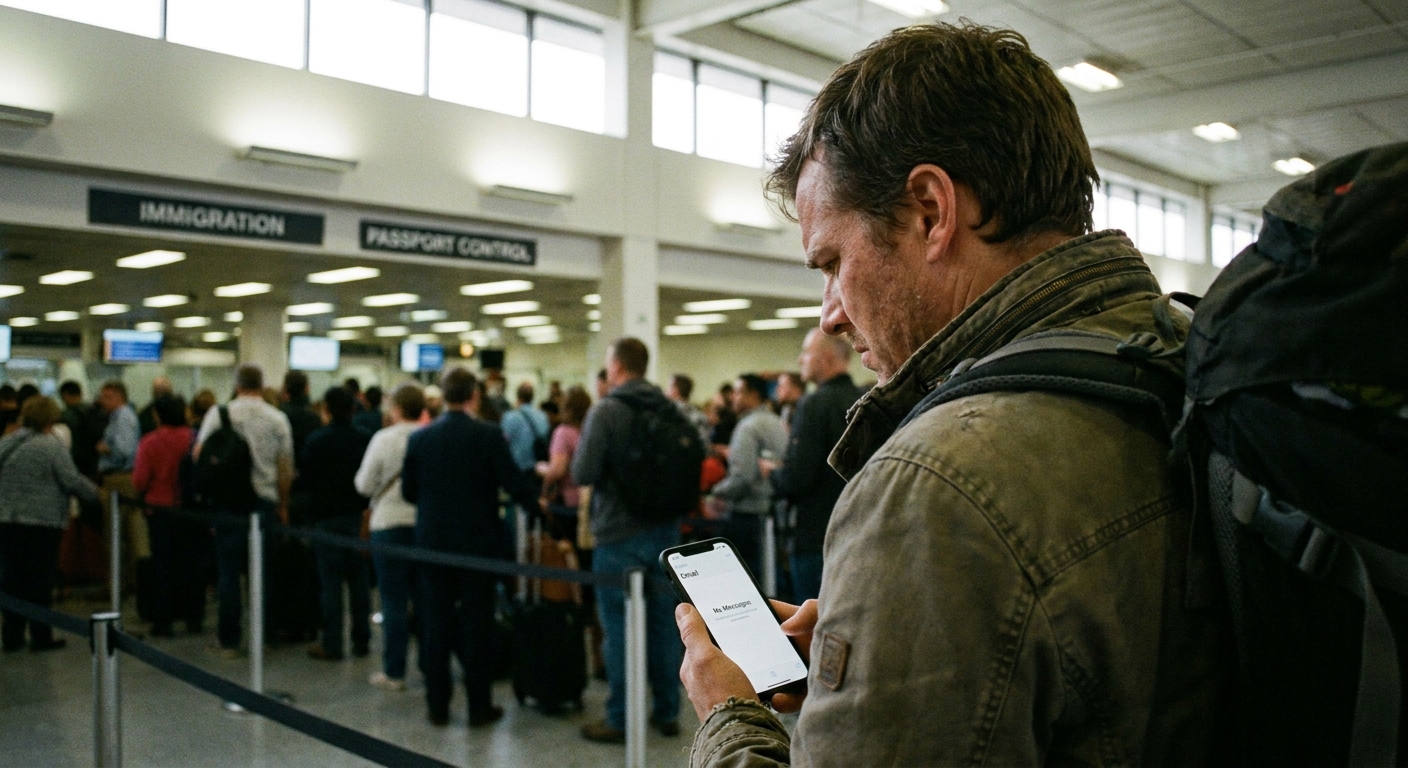
The panic usually sets in forty-eight hours before departure. You are running through your mental checklist—passport, flight itinerary, hotel bookings—and then you realize the one document that actually keeps you out of immigration detention is nowhere to be found. The Vietnam evisa approval letter, which you are certain arrived in your inbox a week ago, has vanished into the digital ether. Before you start drafting frantic emails to consulates or considering a last-minute flight cancellation, breathe. This happens far more often than you would think, and in the vast majority of cases, the document isn’t gone; it is simply hiding behind an aggressive spam filter or a cluttered inbox.
Your first step is a surgical search of your email client. Do not just scan your inbox for the word “Vietnam.” Instead, search for the sender’s address specifically or the subject line keywords typically used by the immigration portal. Often, automated government systems have generic, uninviting subject lines that email providers like Gmail or Outlook mistake for bulk marketing materials. Look specifically for terms like “E-visa,” “Immigration,” or “Ministry of Public Security.” If you have multiple email accounts, check every single one. It is remarkably common for applicants to apply using a secondary email address and then forget that they did so while staring at their primary professional inbox.
If the search comes up empty, the next move is to check the hidden corners of your mailbox. Beyond the standard spam folder, check your “Promotions” and “Updates” tabs. Many corporate mail servers are particularly draconian, often blocking emails containing PDF attachments from non-whitelisted government domains. If you suspect your employer’s server might be the culprit, try accessing your email through a web browser rather than a desktop client, or check your account from a personal mobile device that isn’t tied to your company’s VPN or network security protocols.
Recovering the Document Through Official Channels
When searching fails to yield the lost Vietnam evisa email, you must return to the source. The official Vietnam Immigration Department portal maintains a public-facing search function where you can retrieve your application status using your registration code, email address, and date of birth. If you have misplaced your registration code, you are in a tougher spot, but when the Vietnam immigration portal won’t let you check your status, it often points to a technical glitch or an expired session rather than a lost application. Keep the application page open in a private browsing window to avoid cached data errors. If your visa has been approved, the portal will display a button to download the PDF directly. This is the gold standard for recovery; if it is there, you don’t even need the email to have arrived in your inbox.
For those who used a third-party visa agency, the recovery process is different. These agencies operate as intermediaries and often receive your approval notification before the government portal reflects it. Reach out to their support desk immediately. Professional agencies typically archive your vietnam evisa pdf recovery files as part of their service agreement. If they are unresponsive, remember that they are legally responsible for the documentation they processed on your behalf, so be firm in your request for a re-transmission.
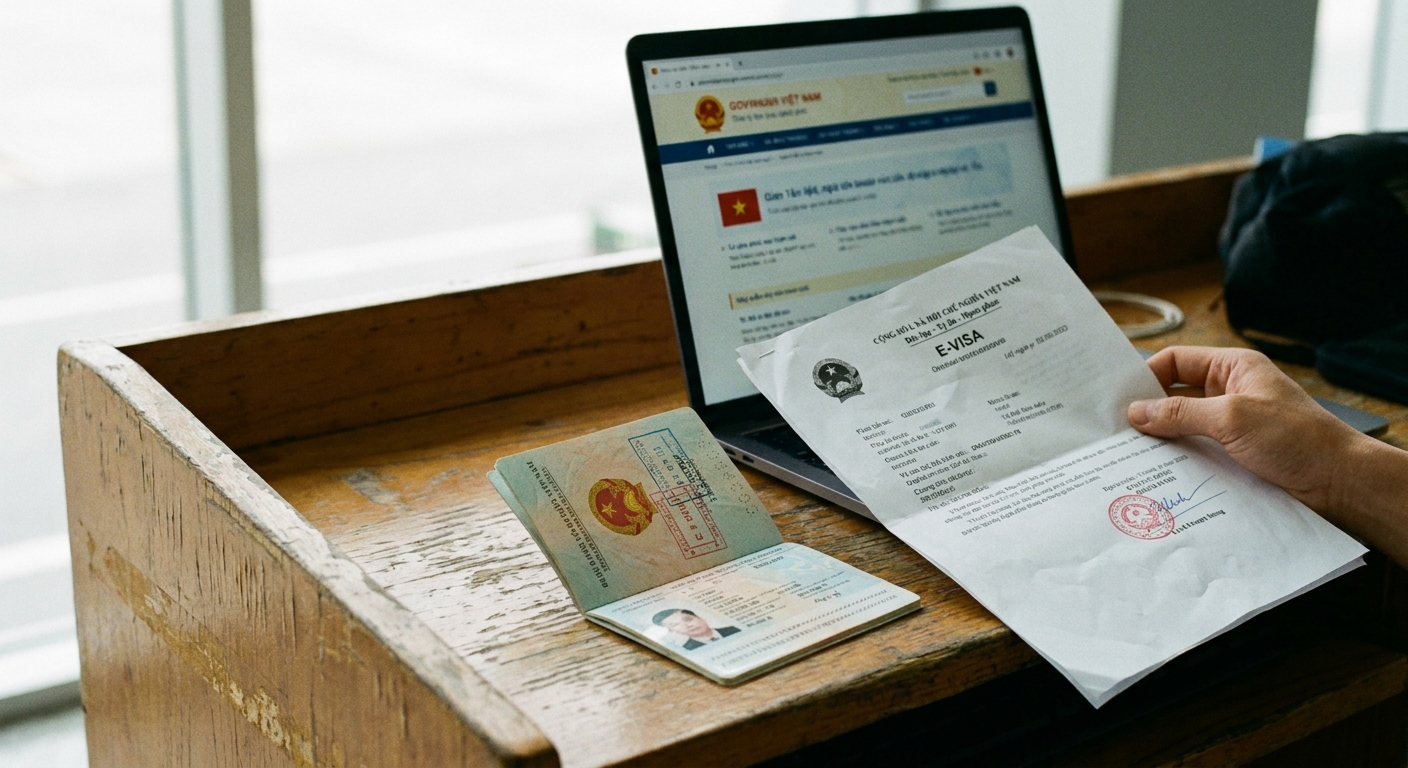
If you reach the airport and still cannot produce a hard copy, you must be prepared to show the status page on your smartphone. Airline check-in counters are primarily concerned with whether you have a valid entry authorization to board the aircraft. While they strongly prefer a printed PDF, a clear, high-resolution screenshot of the official immigration portal page—showing your name, application number, and the “Granted” status—is usually enough to satisfy their requirements. If the airline staff remains hesitant, politely ask them to check your status against the International Air Transport Association (IATA) database, which is what they use to verify travel requirements. They can look up your visa status using your passport details even if you don’t have the paper in hand.
Finally, avoid the temptation to apply for a second visa while your first is still technically “in progress” or “granted” in the system, as this often leads to automated rejections and massive confusion for immigration officers. If you successfully download your document, print at least two copies. Whether you are headed toward the Hai Van pass by motorbike for a scenic adventure or arriving in the capital for a business meeting, having a physical backup in your carry-on is the best way to ensure you never have to repeat this recovery process at a busy terminal again.