Yes, Australian citizens require a visa to enter Vietnam in 2026. While Vietnam has expanded its electronic visa system, there is no visa-free entry for Australian passport holders. You must apply for an e-visa online before your departure to ensure legal entry at any international airport or land border checkpoint.

Travelers holding an Australian passport must secure travel authorization before arriving in Vietnam during 2026. The most common method for entry is the electronic visa, or e-visa, which allows for a stay of up to 90 days. Processing times for these applications generally range between three and five business days, though peak travel seasons around the Lunar New Year can occasionally cause delays. It is advisable to submit your application at least two weeks before your intended flight date to account for any potential system verification issues or administrative requests for additional documentation.
Upon arrival, immigration officers at major hubs like Tan Son Nhat or Noi Bai will verify your e-visa against your passport. You should carry a printed copy of your approval letter, as digital copies are sometimes insufficient if technical issues occur at the customs desk. Your passport must remain valid for at least six months beyond your planned date of departure from Vietnam. If your documentation is not in order, airlines may deny boarding at your departure point in Australia, as carriers are held responsible for transporting passengers without valid entry credentials.
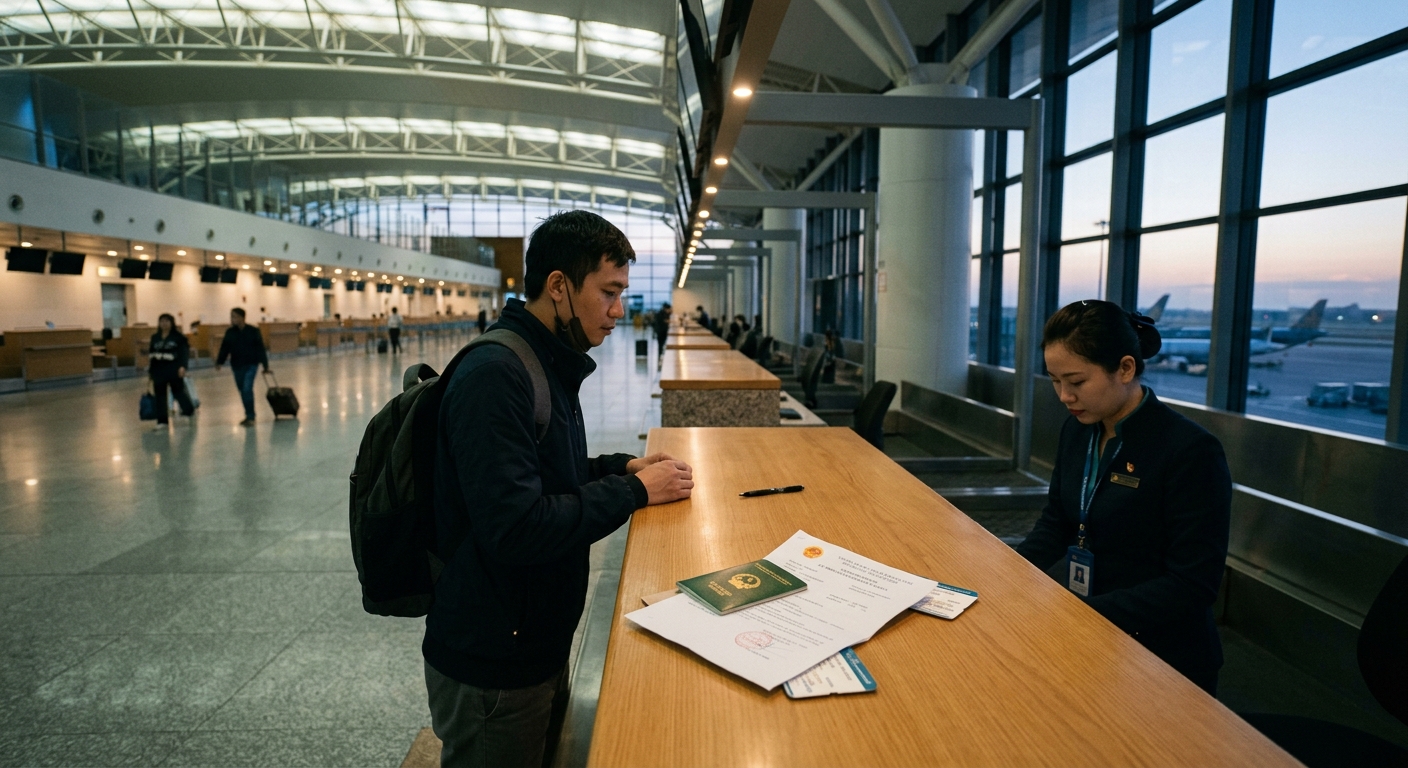
Beyond the standard 90-day e-visa, there are specific categories for business travelers, investors, and those participating in international cooperation programs. These often require a sponsoring organization based in Vietnam to submit an invitation letter to the immigration department before you can finalize your visa application. The landscape for entry requirements has remained consistent throughout 2025 and into 2026, focusing on digitized processing to reduce physical paperwork. Travelers should avoid third-party sites that charge exorbitant fees for expedited processing, as the official government portal remains the primary and most reliable channel for securing your entry permit.
When planning your itinerary, consider that your visa type dictates your freedom of movement. A single-entry visa restricts you to one arrival, meaning if you exit the country for a side trip to Cambodia or Laos, you will need a new visa to re-enter Vietnam. Multiple-entry visas are available for those planning regional travel. Always check the specific conditions listed on your approval letter to confirm whether you have single or multiple-entry permissions. Maintaining a record of your entry and exit dates is essential, as overstaying your visa, even by a single day, results in mandatory fines and potential complications for future visa applications to the country.
Frequently asked questions
Do Australians need a visa for Vietnam in 2026?
Australian citizens are required to obtain a visa to enter Vietnam in 2026. There is no visa exemption policy in place for Australian passport holders. You must apply for an electronic visa through the official government portal prior to your arrival. Ensure your application is submitted well in advance of your flight to avoid any last-minute issues at the airport.
Does Vietnam offer a 1 year visa?
Vietnam does not offer a standard 1-year tourist visa for general travelers. Most tourist visas are limited to 90 days. Long-term stays of one year are generally reserved for individuals holding specific work permits, temporary residence cards, or those sponsored by a local organization for long-term investment or diplomatic purposes. These require extensive documentation and government approval.
Do I need a tour for Ba Na Hills?
You do not need to book a formal tour to visit Ba Na Hills. It is entirely possible to visit independently by purchasing an entry ticket online or at the gate. You can arrange your own transport via taxi or ride-sharing apps from Da Nang. Arriving on your own allows you more flexibility to explore the Golden Bridge and French Village at your own pace.
How many types of Vietnam visa are there?
Vietnam issues various visa types categorized by the purpose of the visit and the duration of stay. The most common are tourist e-visas for short-term stays. Other categories include business visas, student visas, and investment visas. Each category has distinct requirements, such as invitation letters or proof of employment, and different validity periods depending on the specific immigration regulations applicable in 2026.
How to get a 1 year visa for Vietnam?
Obtaining a 1-year visa typically requires a Temporary Residence Card. This process usually involves having a local Vietnamese company or organization sponsor your stay based on employment or investment. You must submit your application to the immigration department with supporting documents, such as a work permit or business license. It is not an option available to casual tourists or short-term visitors.