British citizens do not need a visa for Vietnam if they are visiting for tourism or business purposes for up to 45 days. For stays exceeding this 45-day limit, British passport holders must apply for an e-visa online through the official government portal before their scheduled departure date to enter the country.
Travel regulations for Vietnam underwent significant updates leading into 2025, primarily focused on extending visa exemption periods for several nationalities, including those from the United Kingdom. As of early 2026, the 45-day exemption policy remains the standard for British passport holders arriving by air, land, or sea. This policy applies automatically upon arrival, provided your passport is valid for at least six months beyond your intended date of departure from Vietnam. You do not need to register for this exemption beforehand, but you must present your return or onward travel ticket to immigration officers if requested.
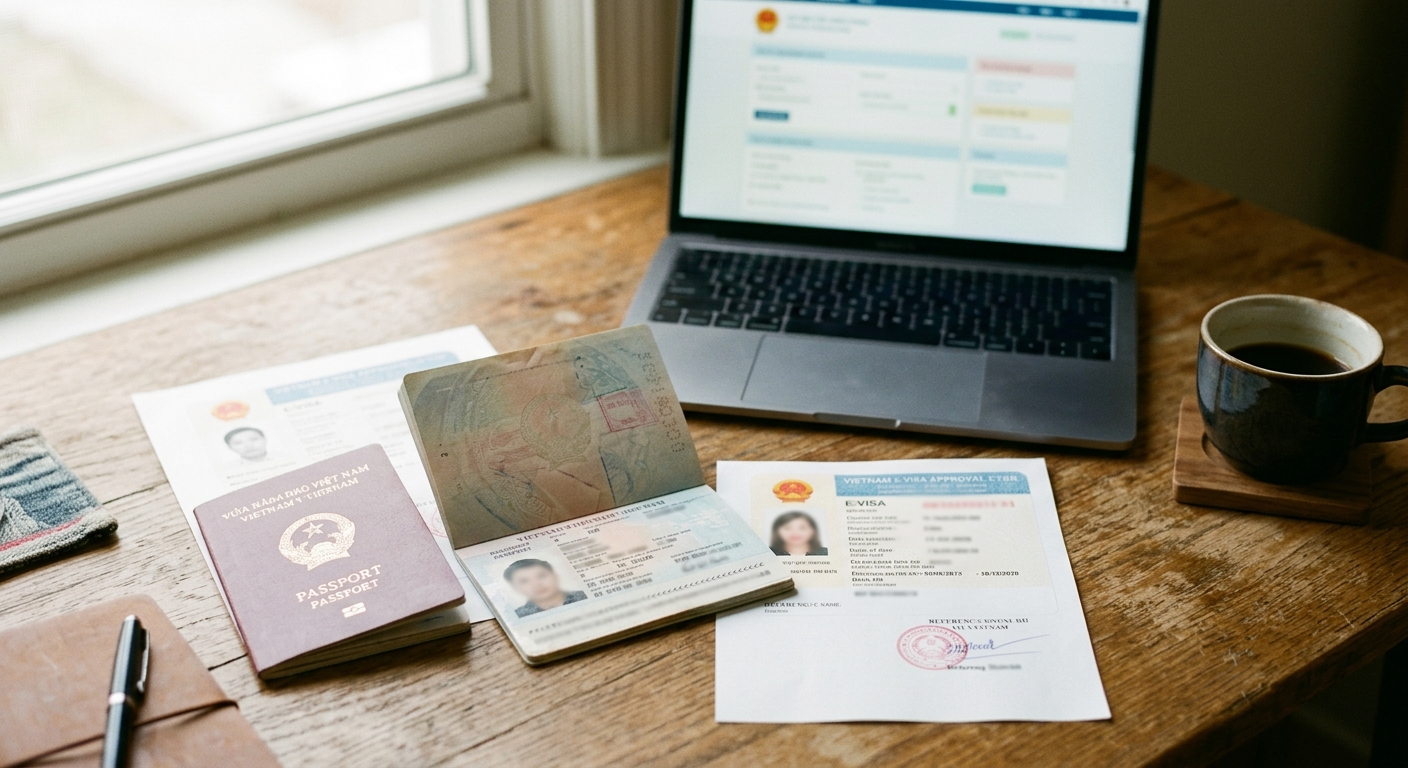
For travelers planning an extended stay beyond the 45-day window, the Vietnamese government has transitioned almost entirely to an electronic visa system. The e-visa allows for stays of up to 90 days with either single or multiple entry options. Processing times for these applications typically take three to five business days, though it is standard practice to apply at least two weeks before your flight to account for potential technical delays or administrative verification. During 2025, the immigration department streamlined the digital upload process, making it easier to submit passport scans and digital photos directly through the official government website.
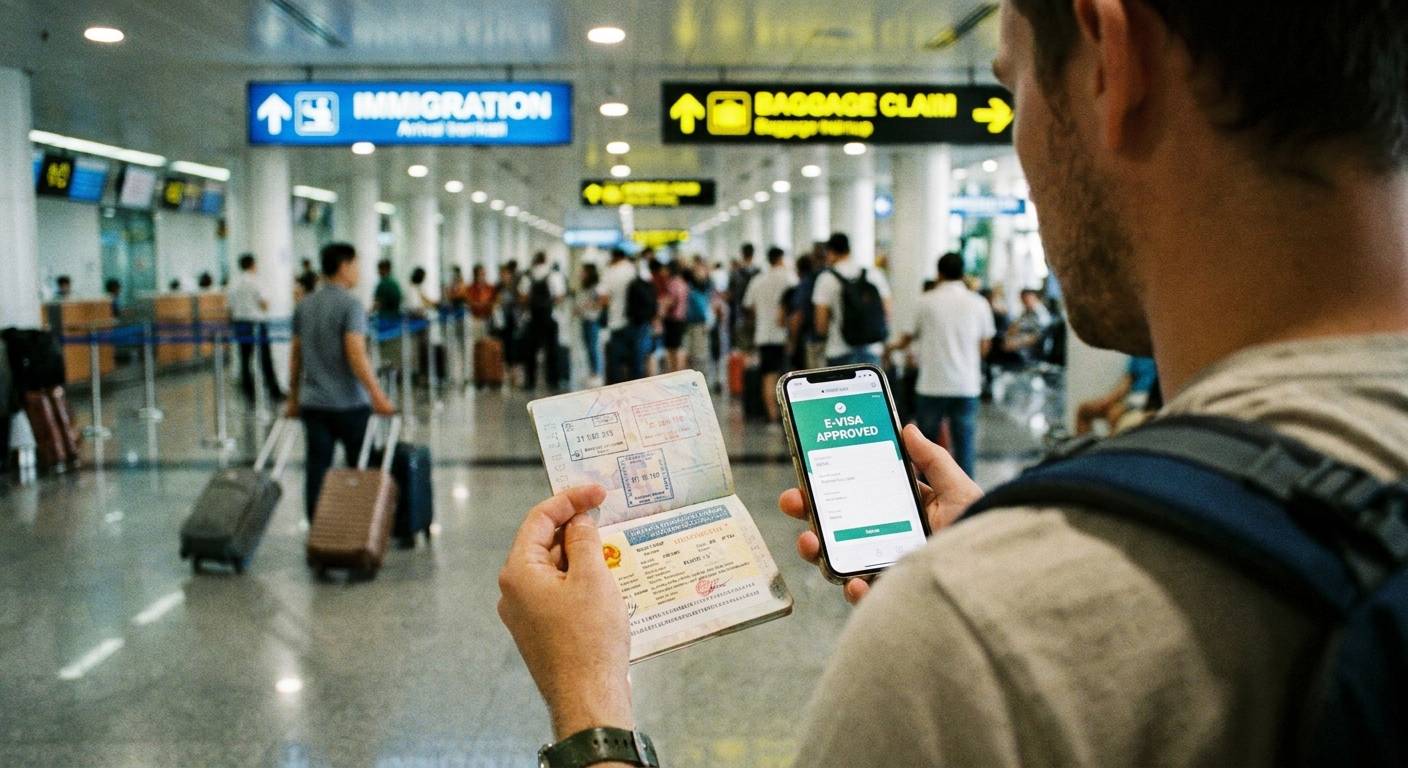
When arriving at major international hubs like Noi Bai in Hanoi or Tan Son Nhat in Ho Chi Minh City, the process is straightforward. If you are entering under the visa-free scheme, you simply proceed to the immigration desk, where the officer will stamp your passport with the entry date. If you have secured an e-visa, you should have a printed copy of the approval letter ready to present alongside your passport. While digital copies are sometimes accepted, physical documentation remains the most reliable method for avoiding delays at the booth. Immigration officers may occasionally verify your accommodation details or the duration of your trip, so keeping a copy of your hotel booking or travel itinerary in your carry-on luggage is a practical habit.
It is important to note that the visa exemption policy for 2026 is strictly enforced regarding the 45-day limit. Overstaying even by a single day can result in fines and potential complications for future visa applications. If your plans change while you are already in Vietnam, extending an e-visa is possible, but it requires visiting a local immigration office or working through an authorized agency before your current permission expires. Understanding these specific requirements ensures that your transit through border control remains a routine part of your travel rather than a point of stress.

Frequently asked questions
Do British citizens need a visa for Vietnam?
British citizens do not need a visa for stays of up to 45 days for tourism or business. If your travel plans involve staying longer than 45 days, you are required to apply for an e-visa online. This digital permit allows for stays up to 90 days and must be obtained prior to your arrival in the country.
Do Indians get a Vietnam visa easily?
Indian citizens can obtain a Vietnam visa relatively easily by applying for an e-visa through the official government portal. The process requires submitting a passport scan and a digital photograph. Applications are typically processed within a few business days, making it a standard procedure for Indian travelers planning to visit Vietnam for tourism or short-term business purposes.