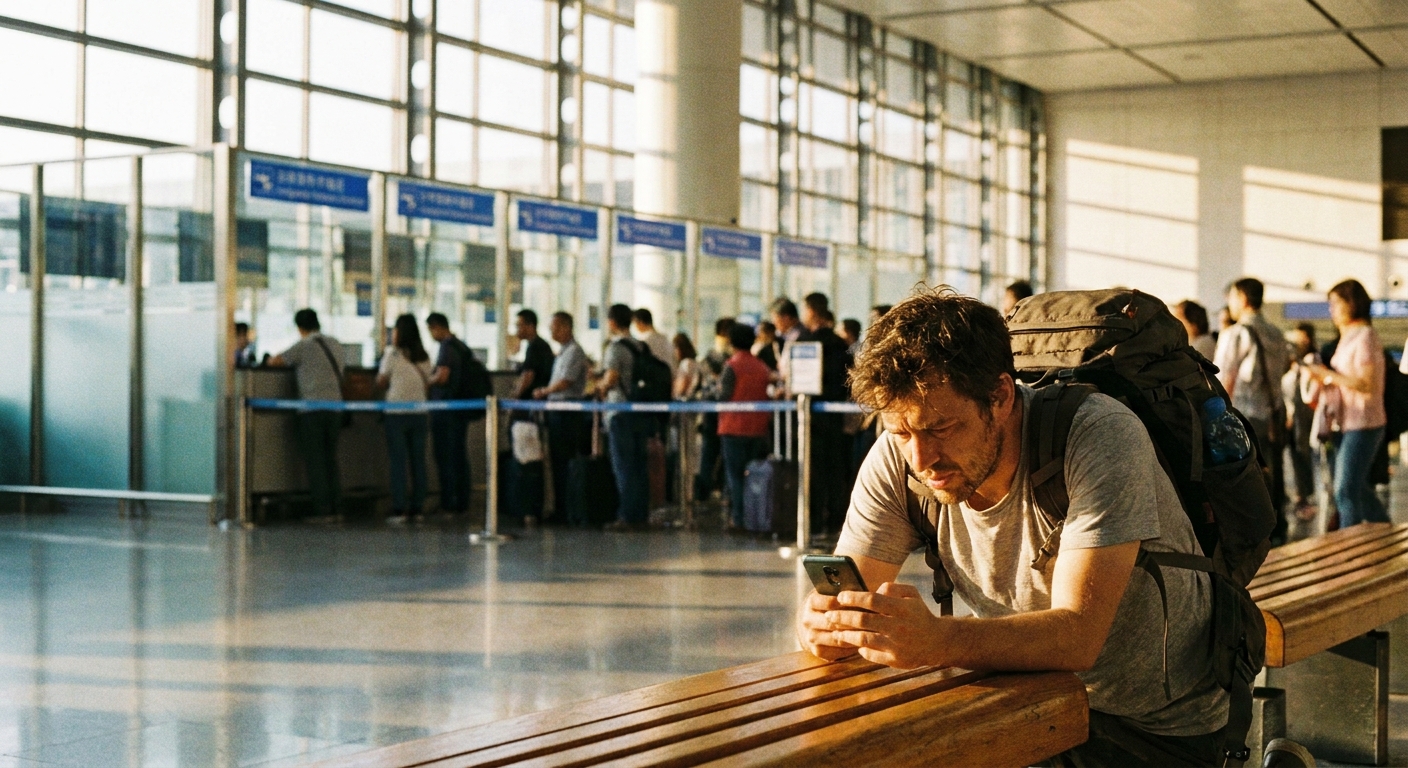
You are sitting in a quiet London apartment at 2:00 AM, the blue light of your laptop reflecting against the window. You have refreshed the official immigration website for the tenth time in an hour, convinced that the lack of progress is a sign that your application has vanished into the digital ether. It feels personal, a cold silence from a server thousands of miles away. Yet, the reality is far more mundane: the Vietnam e-visa portal time zones operate on the clock of the bureaucrats actually processing your documents in Hanoi. When you are burning the midnight oil in Europe or the Americas, the offices in Vietnam are not only closed; they are effectively nonexistent for the purpose of your visa.
The immigration officers who review these requests work within standard Vietnamese business hours, typically Monday through Friday. They are human beings, not automated bots working through the night. When you check your status at 3:00 AM in New York or 8:00 AM in Paris, you are looking at a system that is essentially on pause. If you are starting to worry about your travel timeline, it helps to understand that there is a rhythm to how these requests move through the system. Rather than constant, fluid updates, you are likely to see changes land in clustered batches. These windows usually align with the start of the workday, the post-lunch shift, and the final push before the office closes for the evening.
Understanding the Hanoi Clock and Your Digital Wait
Most vietnam visa status updates occur within three specific windows relative to Hanoi time: roughly 9:00 AM, 1:00 PM, and 5:00 PM. The morning block is when the officers tackle the backlog from the night before, while the midday and late afternoon shifts handle the secondary verification. If your status hasn’t budged by the time Hanoi clocks out for the day, it is highly unlikely to change until the following morning. Watching the site during the weekend is almost always a futile endeavor. Unless you have hit a rare exception involving an automated system maintenance check or a pre-programmed notification, the portal remains static from Saturday morning through Sunday night, local time.
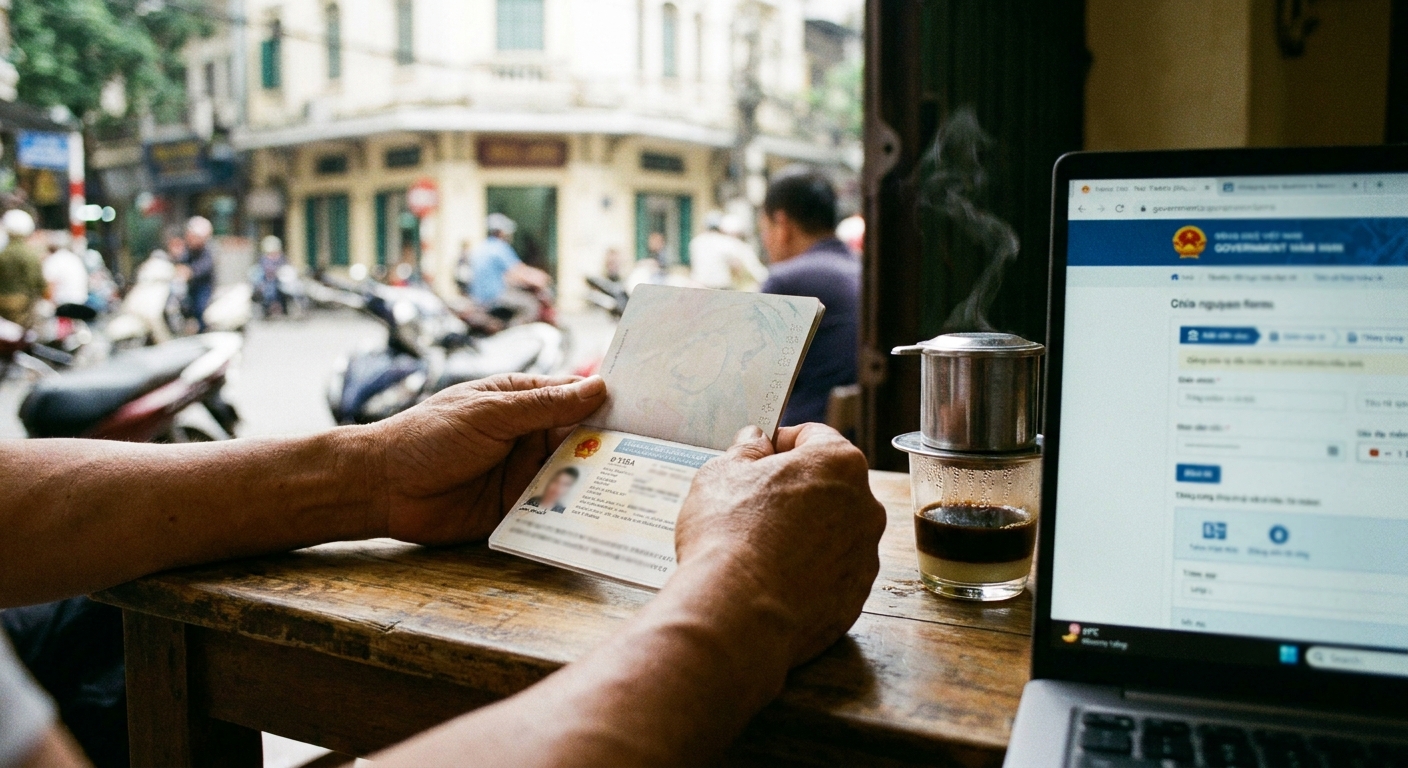
There are only a few, very specific instances where you might see an update outside of these hours. Occasionally, the system triggers an automated response if a payment is processed or if a document is flagged for a minor, system-verifiable error. Even in these cases, the “update” is often the result of a database handshake rather than a human officer reviewing your passport scan. If you are waiting on a more complex issue, such as a request for additional information or a final approval, you must accept that the human element requires daylight hours in Southeast Asia. This is why many experienced travelers suggest exploring local sites at your own pace rather than obsessing over a browser tab while you could be resting or planning your actual itinerary.
To keep your stress levels manageable, adopt a scheduled check-in routine. Checking every fifteen minutes is a recipe for anxiety that will not move the needle on your application. Instead, calculate the time difference and check the portal once per day during a time that corresponds to the middle of the Vietnamese business day. If it is 10:00 AM in Hanoi, that is a reasonable time to see if the morning cluster of reviews has yielded a change. If you have been waiting for several days and the date of your flight is drawing near, you might need to look into planning for potential delays during the harvest season or other peak periods when processing times naturally lengthen.
It is worth noting that the digital interface often feels less sophisticated than it actually is. It is a rigid, government-run database, not a social media feed with real-time notifications. When you see your status shift from “Processing” to “Granted,” it is the culmination of a manual cross-check against security databases, not a simple auto-fill. By respecting the operating hours of the immigration department, you save yourself the exhaustion of phantom checking. You learn to trust that the work is happening when the sun is up in Hanoi, regardless of whether you are sleeping, working, or dreaming of the winding road of the Hai Van Pass that you hope to traverse soon. Let the portal be quiet when the city is quiet, and trust that your application will eventually reflect the labor of those offices once the workday begins again.