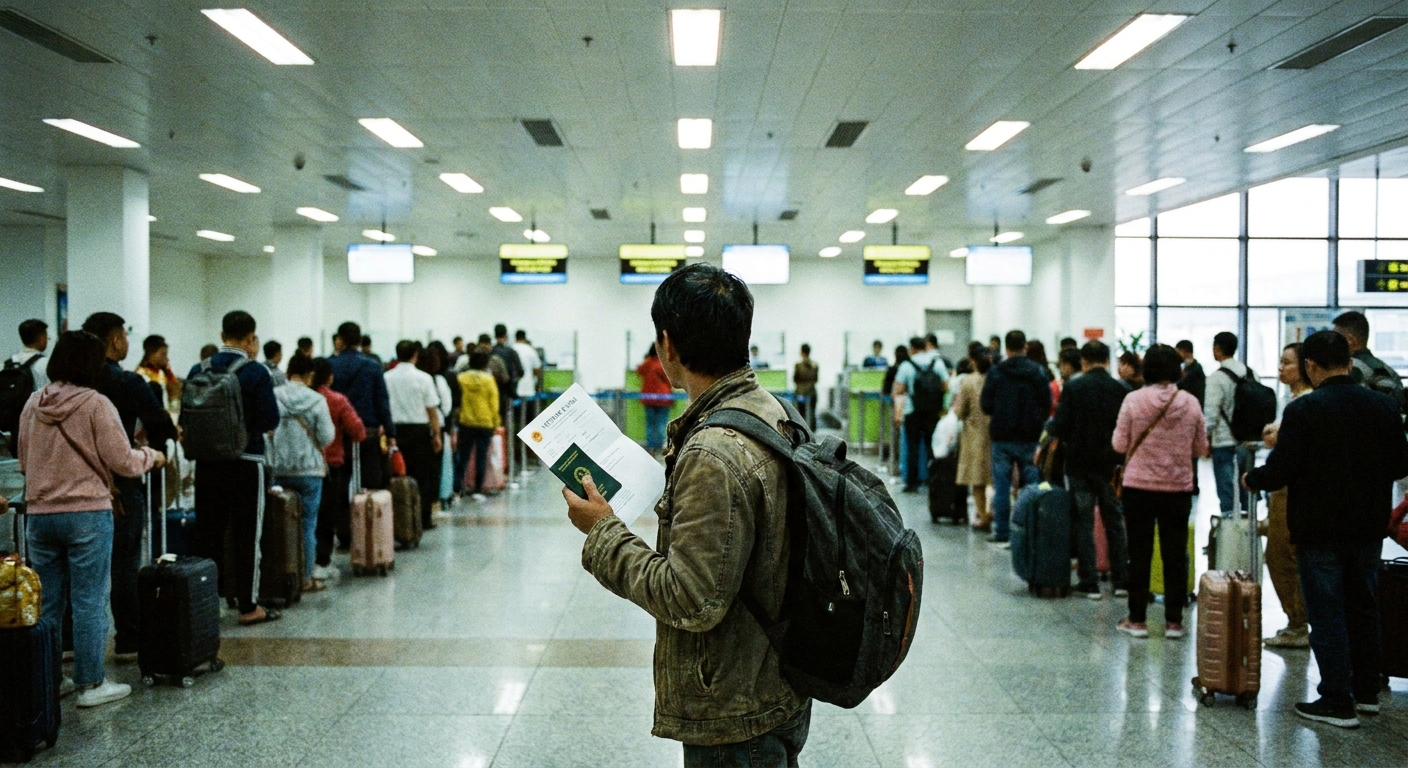
You have submitted your application, paid the fee, and now find yourself refreshing the portal page at odd hours. It is a familiar rhythm for anyone waiting on a Vietnam visa status update. The immigration portal is functional, but it is not built to provide real-time, granular feedback on the bureaucrats working behind the screen. When you see your vietnam visa application status shift from one label to another, it is helpful to understand the administrative gears grinding behind those digital updates.
Most applicants begin at the ‘Submitted’ stage. This is the simplest phase, meaning your data has successfully traveled from your browser to the government server. There is no human oversight here yet. You are essentially sitting in a virtual lobby, waiting for your file to be assigned to a queue. This stage rarely lasts more than a few hours, unless you hit the button on a Friday evening or just before a major national holiday like Tet. During these gaps, the system may register your application as received, but the actual, human-led processing remains dormant.
Demystifying the Migration Through the System
Once you see ‘In Processing’ or ‘Pending Review,’ the real work begins. An immigration officer is now looking at your digital file. They are verifying the integrity of your passport scan, ensuring your photo meets the stringent biometric requirements, and cross-referencing your details against national security databases. If your application sits in this stage for longer than the expected three to five business days, it does not necessarily signal a problem. Sometimes, an officer identifies a minor discrepancy—perhaps a slightly blurry digit on your passport or an ambiguous entry point—and triggers a secondary check. This manual intervention is the primary reason for delays, and it is usually a standard procedure rather than a red flag.
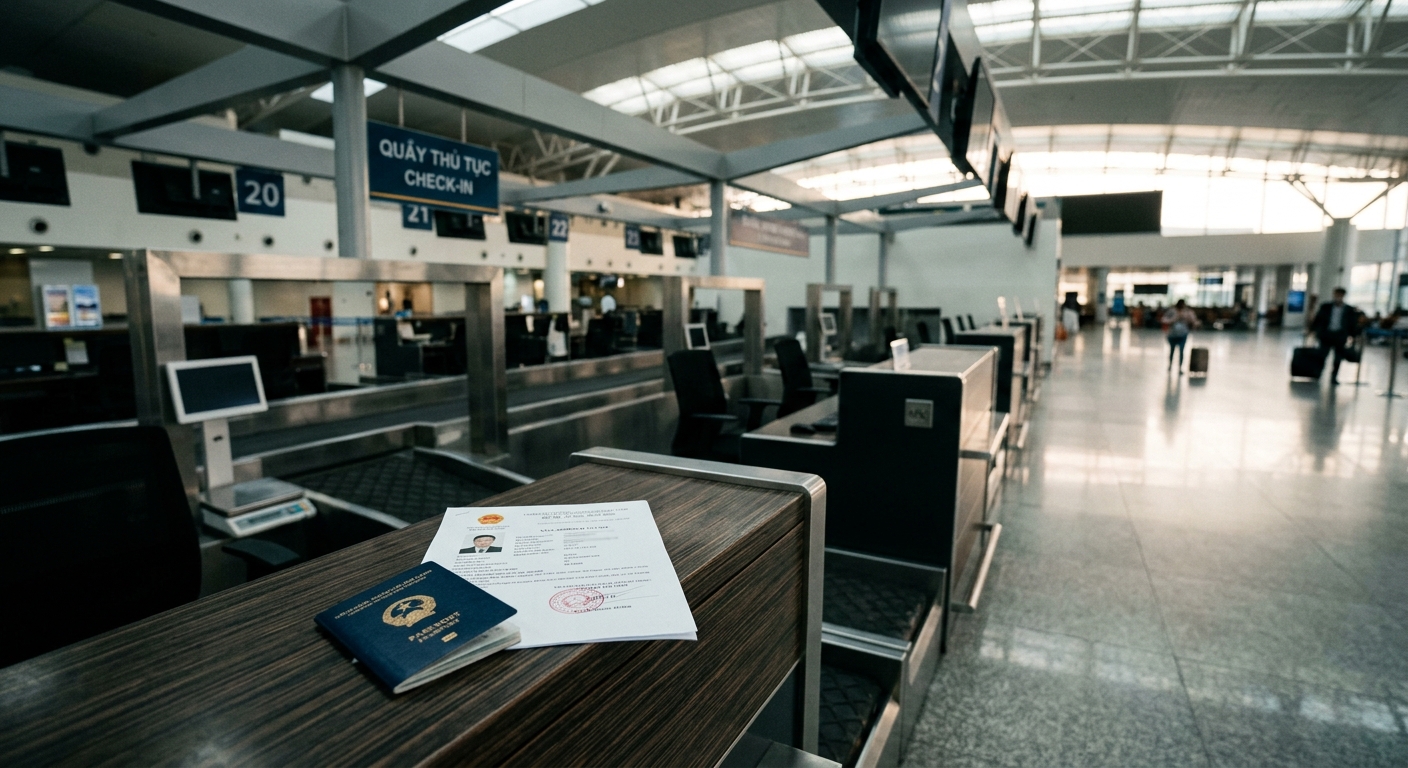
If you find yourself stuck in a prolonged wait, it is useful to understand how Vietnam visa status updates work across time zones to manage your expectations. Because the immigration office operates on Vietnam Standard Time, checking for updates while it is nighttime in Hanoi will yield the same static result every time. Patience is your only real lever here. Attempting to resubmit or flooding the help desk with inquiries often slows the process further, as the administrative team must then divert resources to answer status queries instead of processing actual visas. If your status has remained stagnant for over ten business days, you are within your rights to seek formal clarification, but prior to that, the clock is simply ticking on a high volume of paperwork.
The ‘Approved’ status is, naturally, the end goal. This is when the system has successfully generated your e-visa document. However, you should not assume that immediate access to the download is guaranteed the second the status flips. There can be a slight latency period between the database update and the server making the PDF file available for retrieval. If you see ‘Approved’ but cannot download your document, wait an hour and try again from a different browser or a clean cache. Conversely, if you see ‘Rejected,’ it is worth noting that the system does not always provide specific reasons. Understanding the nuances of why a Vietnam e-visa was rejected is crucial before you attempt to reapply, as a second submission with the same errors will almost certainly meet the same fate.
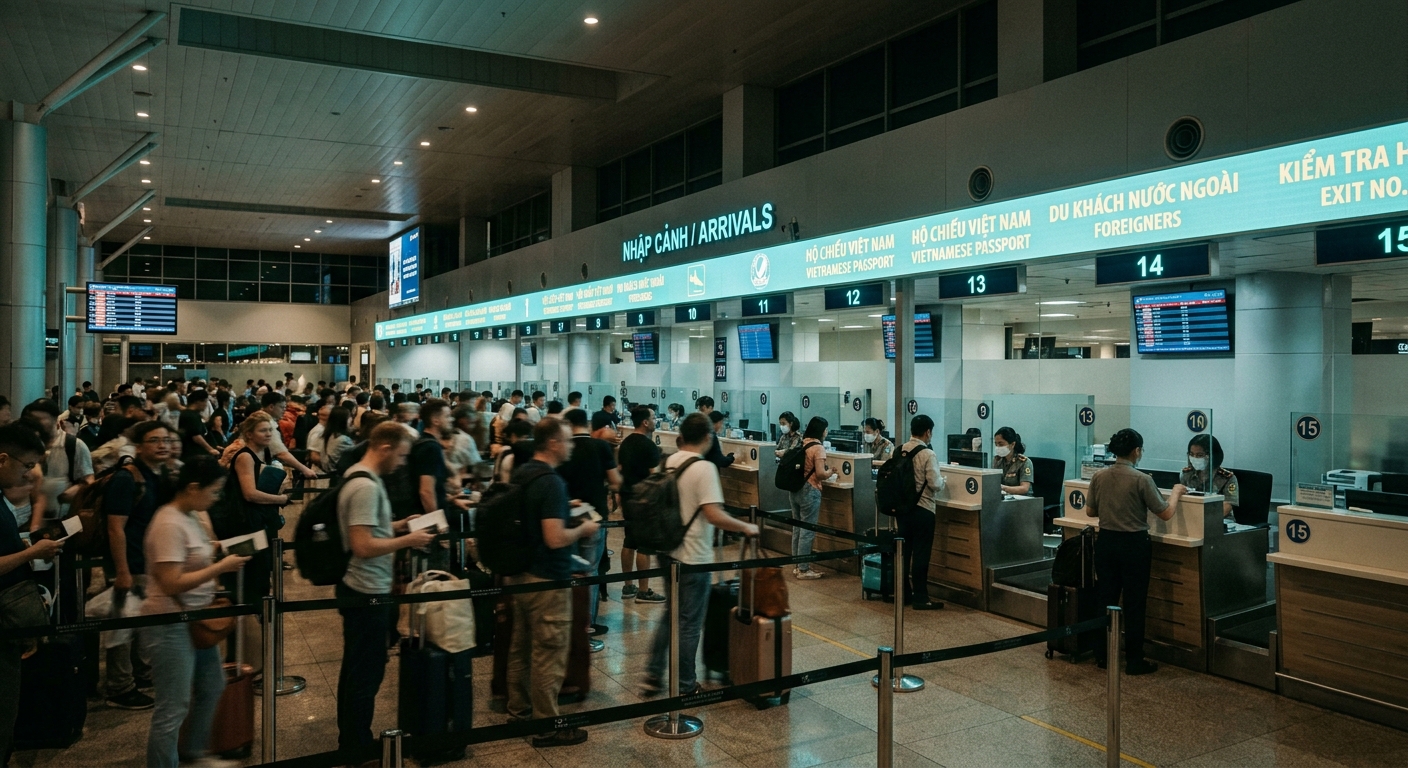
It is important to remember that these status labels are broad categories. They do not account for the human element of public service. Here are the realities you should keep in mind during your wait:
- The processing clock only counts business days, excluding weekends and Vietnam’s specific public holidays.
- Statuses do not update in real-time; they often update in batches, which explains why you might see no change for days followed by a sudden jump in progress.
- A status of ‘Pending Review’ is often the final stage before approval, indicating that the bulk of the data verification is already complete.
- If you have entered incorrect information, you usually cannot edit it while the visa status vietnam is active; you may have to wait for the result or contact the support team directly.
Ultimately, the system is designed for volume, and your application is one of thousands processed each day. When the status does not change, it is rarely a personal reflection on your file. It is most often the result of an administrative bottleneck or a routine check. Taking a step back and trusting the timeline provided by the official portal remains the most effective way to handle the wait. Once the status finally reflects that your visa is ready, you can move on to the more pleasant aspects of your planning, like deciding which region to visit first or finalizing your itinerary.
There is one stage the portal will never show you, because it happens after the file leaves the system: the decision made at the border itself. Vietnam e-visa status vs. the immigration stamp explains why an approved status is not the final word on entry.