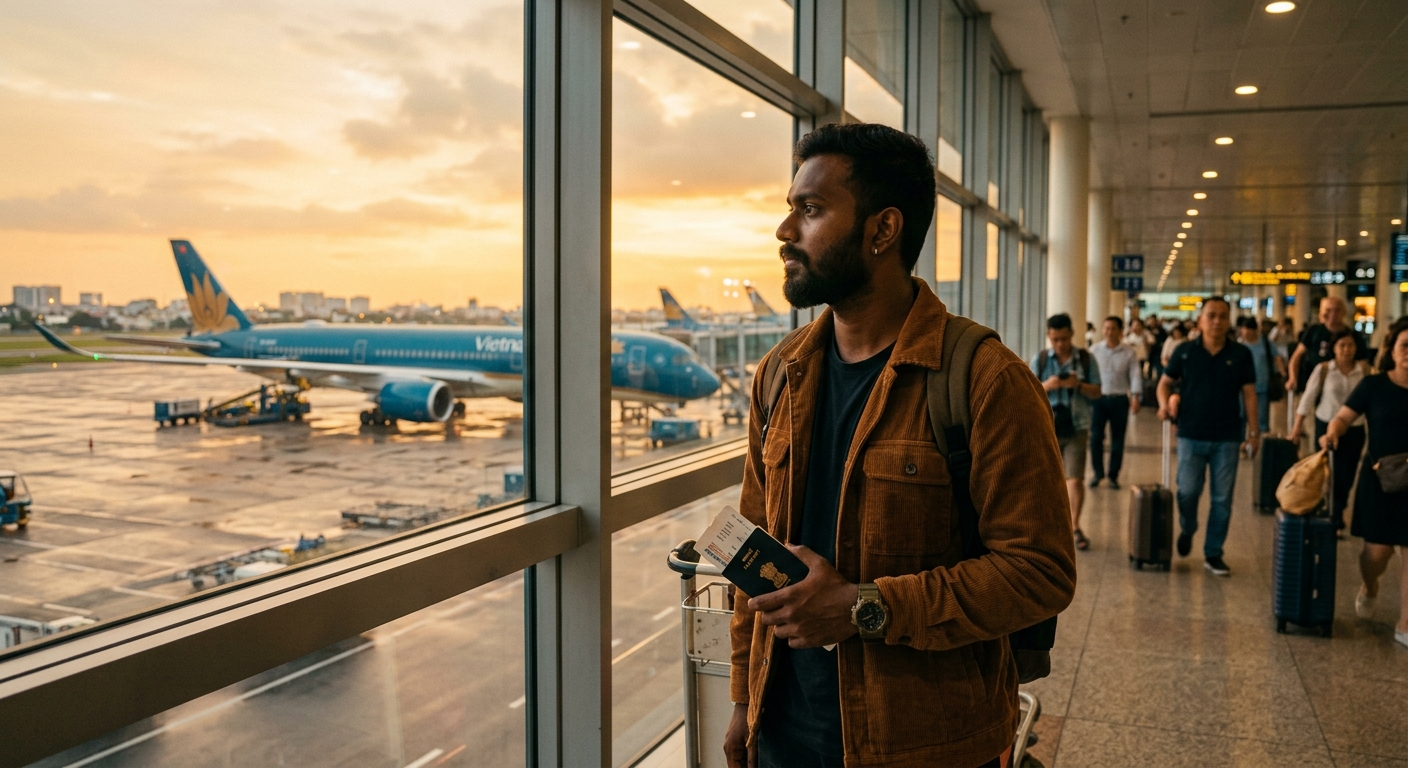
India is one of the largest source markets for Vietnam tourism, and Indian passport holders have full access to the Vietnam e-visa system. The process is entirely online, takes roughly three working days, and produces a 90-day visa that works for both tourism and short business trips. If you are an Indian citizen planning your first Vietnam trip, this is everything you need to know about getting the visa sorted before you fly.
How to Apply for the Vietnam E-Visa from India
The application happens through the official Vietnam Immigration portal at evisa.gov.vn. You will need a valid Indian passport with at least six months of remaining validity, a clear digital photo with a white background, a scan of your passport bio page, and basic trip details including your intended entry date and entry point. The government fee is 25 US dollars paid by card at the time of submission. Once submitted, you receive a registration code by email that you use to check your Vietnam visa status on the same portal.
Processing officially takes three working days, but Indian applicants frequently report approvals within 24 to 48 hours when the documents are clean and the application is submitted early in the Vietnamese workweek. The key word is “working” — weekends and Vietnamese public holidays do not count, so a Friday submission may not see movement until Monday. For a detailed breakdown of what the timeline really looks like in practice, our guide on the best time to visit Vietnam includes useful calendar context.
Common Mistakes Indian Applicants Make
The most frequent issue is the passport photo. The Vietnam e-visa system rejects photos with colored backgrounds, visible shadows, or faces that are too small in the frame more often than applicants expect. Indian passport photos typically use a light blue background, which does not meet the white background requirement for the Vietnamese system. Take a fresh photo specifically for this application rather than reusing an existing passport photo. If your photo gets rejected, it can add several days to your processing time — see our full explanation of what happens when photos are rejected and how to fix it.
Name formatting is the other common pitfall. Indian passports sometimes display given names and surnames differently from how the e-visa form expects them. Enter your name exactly as it appears in the machine-readable zone at the bottom of your passport bio page, letter for letter, and you will avoid the mismatch that triggers manual review. For more help with the application process, VietnamVisaHelp.com offers step-by-step guidance specifically for Indian applicants.
Entry Points and Practical Tips
The e-visa is valid at all of Vietnam’s international airports, including Hanoi (Noi Bai), Ho Chi Minh City (Tan Son Nhat), Da Nang, Cam Ranh (Nha Trang), and Phu Quoc. It also works at major land border crossings with Cambodia, Laos, and China. Direct flights from India to Vietnam are available from Delhi, Mumbai, and Kolkata, with Hanoi and Ho Chi Minh City as the most common entry points.
Once you arrive, having a printed copy of your e-visa approval speeds up the immigration process. Vietnamese customs officers expect to see the document, and while a digital copy on your phone usually works, paper is more reliable when airport Wi-Fi is slow. For guidance on handling money in Vietnam, including where to exchange Indian rupees and which ATMs offer the best rates, check our detailed currency guide. If you need additional visa support or want to explore Vietnam tour packages, VietnamVisaHelp.com provides comprehensive services for Indian travelers.